圈地运动

Search documents
近代早期英国人口流动的多维透视
Xin Lang Cai Jing· 2025-12-28 22:36
Core Argument - The article argues that population movement in early modern England is multifaceted, encompassing both "standard" long-distance migration that supports urbanization and "non-standard" short-distance migration that does not directly contribute to urban growth [1][3][8]. Group 1: Types of Population Movement - "Standard" population movement refers to long-distance, orderly migration from rural areas to small towns and then to larger cities, which has historically driven urbanization in England [1][4]. - "Non-standard" population movement involves short-distance, disorderly migration primarily occurring between villages, which has been undervalued in academic discourse despite its prevalence [2][3][6]. Group 2: Historical Context and Data - Prior to the Industrial Revolution, the urban population in England never exceeded 25%, with only about 15% in the early 16th century, indicating that less than 20% of rural populations integrated into cities through permanent migration [4][5]. - Over 80% of the population engaged in non-standard movement, with most residents moving within a distance of approximately 10 miles, often for seasonal work [4][5]. Group 3: Societal Implications - Seasonal migration has deep historical roots, with evidence of frequent movement among villagers during agricultural busy seasons, reflecting a long-standing pattern of labor mobility [5][6]. - The interconnectedness created by various forms of population movement facilitated the exchange of labor, resources, and ideas, contributing to the formation of a unified national market [6][8]. Group 4: Political and Social Consequences - The phenomenon of excessive mobility and downward social mobility among migrants led to governmental attempts to restrict migration, particularly during the Tudor and Stuart periods, due to the social unrest it caused [7][8]. - The influx of "livelihood migrants" into urban areas exacerbated social tensions and contributed to political radicalization, setting the stage for the English Civil War and the subsequent bourgeois revolution [7][8].
花1.1亿美元买11栋房连成一片?扎克伯格遭邻居举报!当地政府:并未发现违法违规情况
Cai Jing Wang· 2025-08-14 13:27
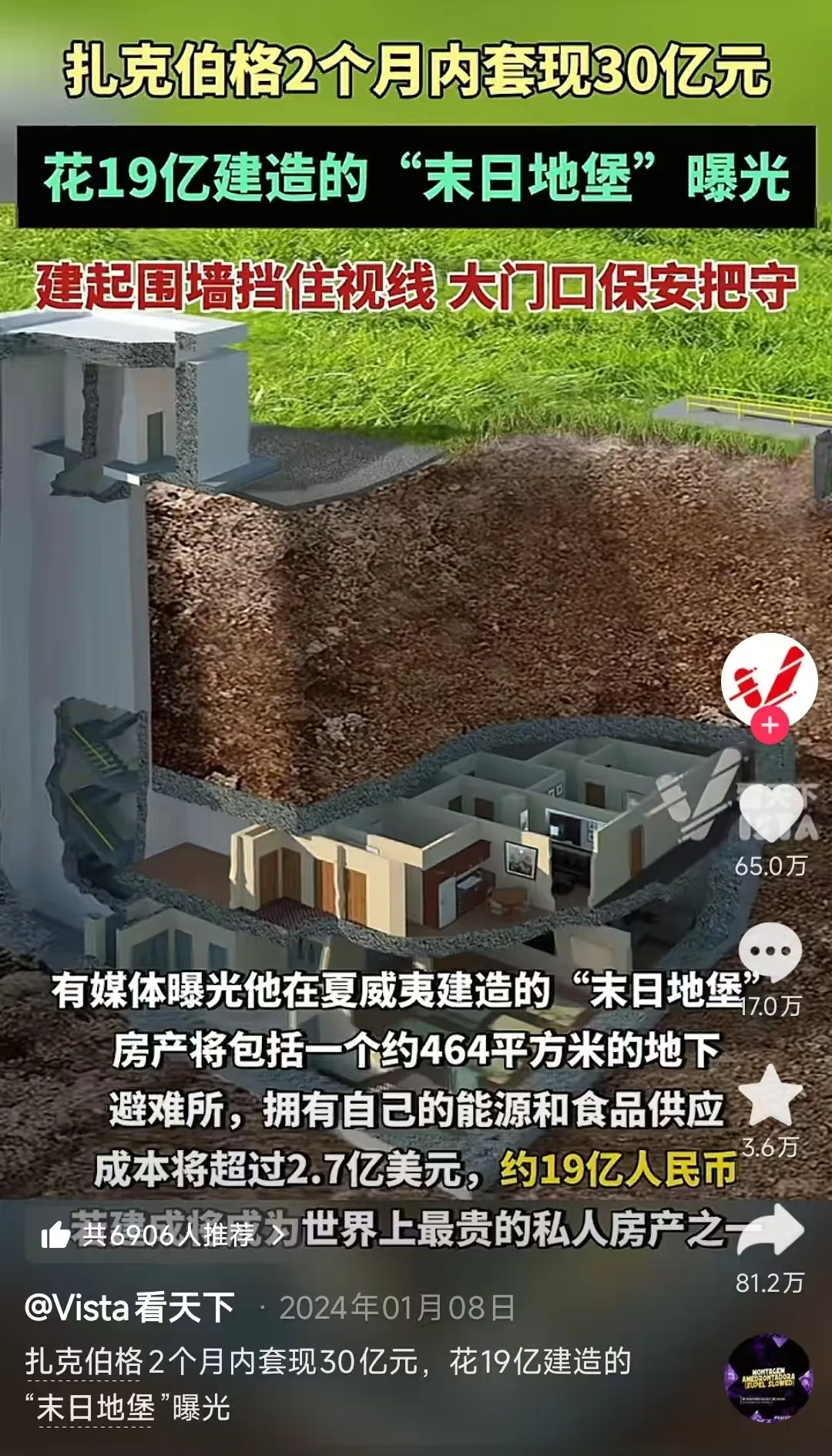
Core Insights - Facebook founder Mark Zuckerberg is investing heavily in acquiring properties in the Crescent Park community of California, spending over $110 million since 2011, which has led to significant community disruption and dissatisfaction among local residents [1][2][5] Group 1: Property Acquisition - Zuckerberg has purchased at least 11 houses in the Crescent Park area, integrating five of them into a private estate that includes various amenities such as a pickleball court, swimming pool, guest rooms, and a large underground space [2][5] - The properties were acquired at prices significantly above market value, with negotiations conducted through his company [1] Group 2: Community Impact - The extensive renovations and construction activities have caused noise disturbances and obstructed local streets, leading to complaints from residents about the disruption to their daily lives [1][2] - Residents have expressed concerns about privacy due to the installation of numerous security cameras directed at neighboring homes, which has heightened tensions within the community [2] Group 3: Government Response - Local government officials have stated that they have not found any illegal activities related to Zuckerberg's property developments, despite community complaints [5] - Previous attempts by Zuckerberg to build a large underground shelter were denied by the building review committee, prompting him to change tactics by applying for permits separately to avoid public hearings [5]