土地资源优化调配

Search documents
房地产用地要“断供”?别误读,这才是新政想传递的信息
第一财经· 2026-03-16 07:20
Core Viewpoint - The recent policy from the Ministry of Natural Resources and the National Forestry and Grassland Administration emphasizes the prioritization of land supply for major projects and public welfare, rather than a complete halt on land supply for real estate development [1][2]. Group 1: Policy Interpretation - The term "newly added construction land" specifically refers to converting agricultural or unused land into construction land, which is a strictly controlled and scarce resource [1]. - The misunderstanding arises from the misinterpretation of the policy, which does not imply a complete cessation of land supply for real estate but rather a prioritization for public and significant projects [1][2]. Group 2: Land Supply Assurance - There is no need to worry about a shortage of land supply, as local governments have sufficient reserves of state-owned construction land to meet normal development needs [2]. - The policy stipulates that the annual newly added construction land in urban and rural areas must not exceed the area of revitalized stock land, promoting a shift from reliance on new land to revitalizing existing spaces [2]. Group 3: Policy Intent - The main intention of the policy is to optimize the allocation of land resources, ensuring that they are used effectively to promote urban development rather than targeting the real estate sector [2]. - Claims that this policy will severely impact the housing market are either based on a lack of understanding of land policies or are attempts to create unnecessary anxiety [2].

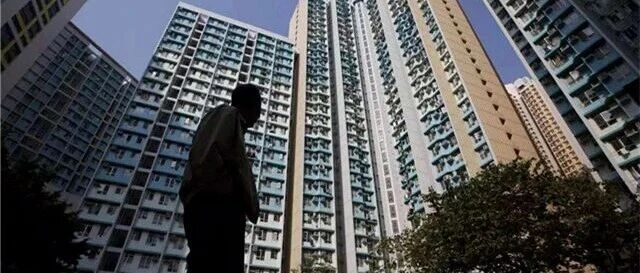
房地产用地要“断供”?别误读
财联社· 2026-03-16 07:00
Core Viewpoint - The recent policy from the Ministry of Natural Resources and the National Forestry and Grassland Administration emphasizes prioritizing land supply for major projects and public welfare, rather than halting land supply for real estate development. The misunderstanding arises from the term "newly added construction land," which refers to the conversion of agricultural or unused land into construction land, a strictly controlled and scarce resource [1][2]. Group 1 - The policy states that newly added construction land will primarily support major projects and public welfare, and is not intended for commercial real estate development [1]. - Misinterpretation of the policy stems from a lack of understanding of the term "newly added construction land," which is a limited resource that is already in short supply [1]. - Most real estate development land currently comes from existing construction land, such as urban renewal and redevelopment of inefficient land, rather than newly added land [1]. Group 2 - There is no need to worry about a shortage of land supply, as local governments have sufficient reserves of state-owned construction land to meet normal development needs [2]. - The policy mandates that the annual newly added construction land in urban and rural areas cannot exceed the area of revitalized existing land, promoting a shift from reliance on new land to revitalizing existing space [2]. - The intention of the policy is to optimize land resource allocation to promote urban development, not to target the real estate sector [2].