城市归属感

Search documents
中国“新型贫困者”激增:有房有车生活耀眼,却缺乏城市归属感
Sou Hu Cai Jing· 2026-02-09 02:51
Core Viewpoint - The article discusses the emergence of a new class of individuals in China, referred to as "new type of poor," who appear affluent with assets like homes and cars but are burdened by significant debt and lack of savings [3][5][25]. Group 1: Characteristics of the "New Type of Poor" - This group is characterized by having visible assets but lacking cash savings, leading to a precarious financial situation [5][25]. - Many individuals rely on loans from family members to afford down payments for homes and cars, resulting in long-term debt commitments [8][15]. - The pressure to maintain a facade of affluence leads to financial strain, with a significant portion of monthly income going towards loan repayments [10][12]. Group 2: Social and Psychological Impacts - The desire for social acceptance and the pressure to conform to societal standards drive many to make financially unsound decisions [12][15]. - Despite owning property, many feel a lack of true belonging in urban environments, leading to feelings of isolation and loneliness [18][21]. - The struggle to balance debt repayment with social obligations creates a cycle of stress and dissatisfaction, as individuals feel trapped between their aspirations and reality [23][25]. Group 3: Broader Implications - The phenomenon of the "new type of poor" reflects broader societal changes, including shifting consumer values and increasing living pressures [26]. - The article suggests that true fulfillment and stability come from a balanced approach to consumption and personal well-being, rather than material possessions [28].


中国棒球城市联赛点亮棒球热土
Xin Lang Cai Jing· 2026-02-03 17:46
Group 1 - The Shenzhen Blue Socks team won the inaugural China Baseball City League (CPB League) Spring Festival League with a total score of 2:1 against the Shanghai Zhengda Dragons, marking a significant achievement for the league [1] - The president of the Chinese Baseball Association, Chen Xu, rated the league's overall operation at 95 out of 100, highlighting the improved atmosphere, audience numbers, and fan engagement compared to previous domestic baseball events [1] - The league successfully enhanced the fan base by focusing on the "fan experience," including interactive activities, cheerleading performances, and improved food and beverage services, which are essential for commercial events to gain market and corporate recognition [1] Group 2 - Plans for the future include increasing the number of participating teams to six in the upcoming Summer League, with the Changsha Wangwang Black Skin Baseball Club already registered, and aiming for a home-and-away system by 2028 [2] - The rapid attention garnered by the league is attributed to the foundational growth of baseball in China over the past decade, with significant increases in the number of national events, teams, stadiums, and online viewership [2] - The fan demographic for the CPB League is notably younger, with 37% of ticket buyers being from the "post-90s" generation and 23% from the "post-00s," indicating a shift towards a more youthful and family-oriented audience [2] Group 3 - CPB teams played two friendly matches with the national team during winter training, aimed at identifying issues and enhancing training effectiveness [3] - The national team, now coached by the champion of the National Games, Chen Biao, has set a goal to improve its competitiveness in Asia and aims to secure a silver medal at the 2026 Nagoya Asian Games [3]
世界老乡@义乌丨外商扎根中国18年归属感满满:我在这里收获了一切
Zhong Guo Xin Wen Wang· 2025-11-28 03:12
Group 1 - The article highlights the successful life of a Colombian individual named Joe Bai, who has lived in China for 18 years, indicating a strong sense of belonging in the diverse and inclusive city of Yiwu [1] - Joe Bai emphasizes that all foreigners in Yiwu do not feel like outsiders, showcasing the city's welcoming atmosphere and multicultural environment [1]
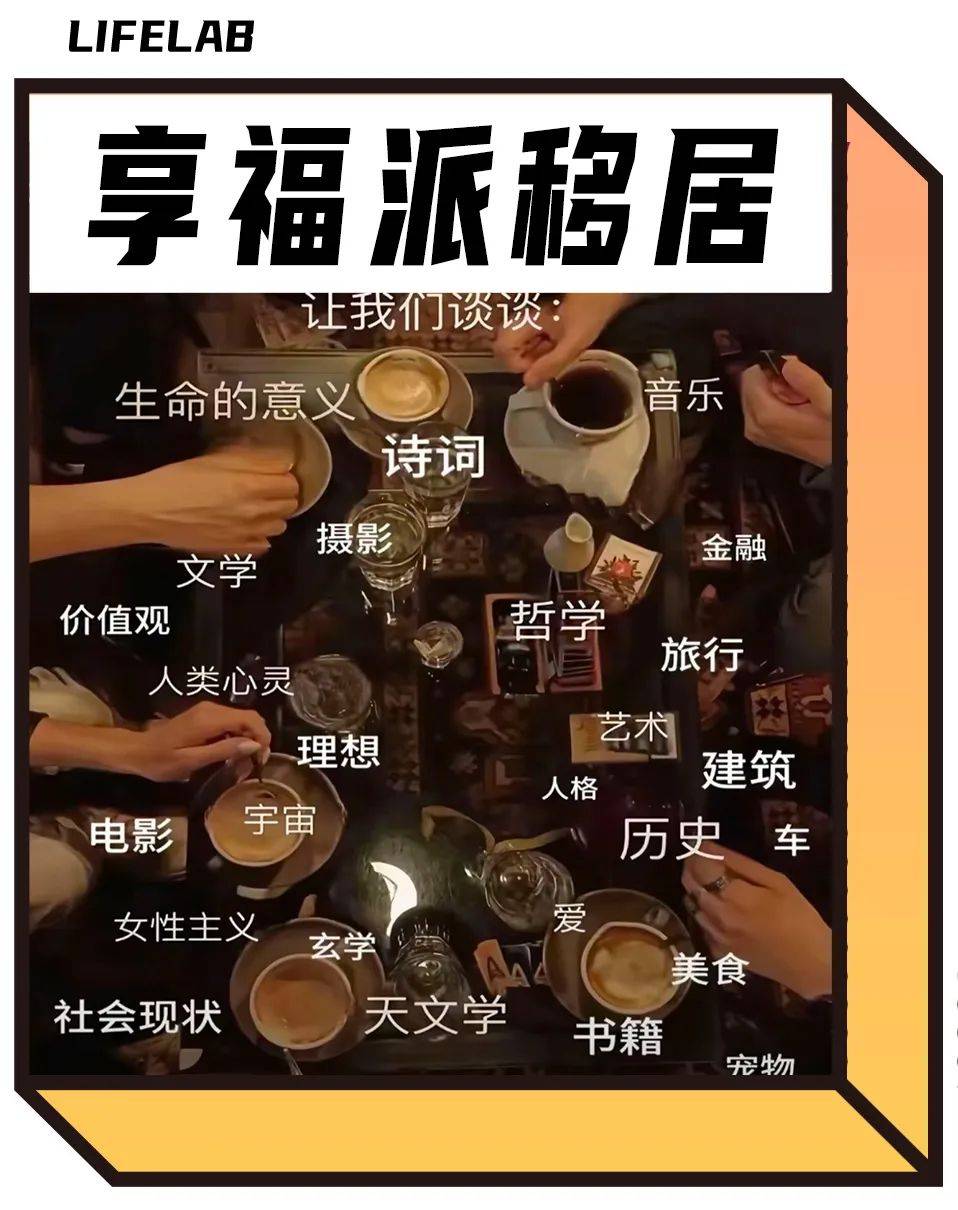
移居这个城市的北漂,秒变中产
Sou Hu Cai Jing· 2025-08-06 14:45
Core Insights - The trend of young professionals moving from Beijing and Shanghai to Chengdu reflects a shift in lifestyle preferences, emphasizing comfort and community over the hustle culture of first-tier cities [3][21][26] - Chengdu is perceived as a more welcoming and relaxed environment, allowing newcomers to integrate easily without the pressure of constant competition [16][23][25] Group 1: Migration Trends - Many young professionals, previously focused on Beijing and Shanghai, are now relocating to Chengdu for a better quality of life and lower living costs [3][4][11] - The new wave of migrants to Chengdu often seek luxurious living conditions, with many renting high-end apartments at affordable prices compared to their previous cities [4][9][14] Group 2: Lifestyle Changes - The lifestyle in Chengdu is characterized by a more laid-back approach, where individuals prioritize enjoyment and community over relentless work [21][25][26] - Newcomers to Chengdu often experience a cultural shift, moving from a mindset of constant striving to one of enjoying daily life and finding balance [25][29] Group 3: Community and Integration - The influx of new residents has led to a sense of community reminiscent of university life, where social connections are easily formed over shared experiences [7][14][16] - Chengdu's local culture is described as inclusive and non-judgmental, allowing newcomers to feel at home without the pressure of proving themselves [23][26]