城市病治理

Search documents
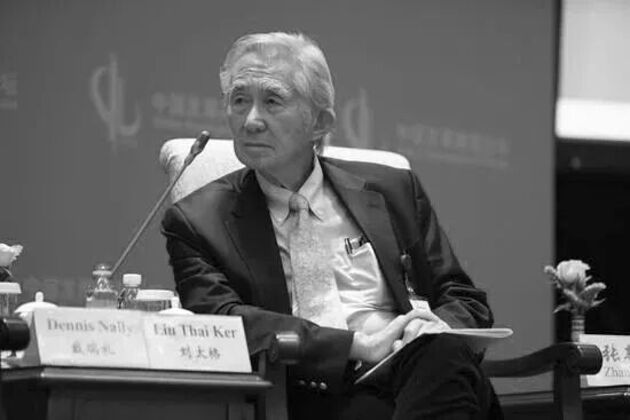
缅怀|新加坡规划之父刘太格:中国城市做不好规划,是没有借口的
Mei Ri Jing Ji Xin Wen· 2026-01-25 05:38
Core Insights - Liu Tai-ge is recognized as a pivotal figure in Singapore's urban planning, often referred to as the "Father of Singapore Planning" [1][2] - His influence extends to China, where he has worked on urban planning projects in over 60 cities, promoting concepts such as "Garden City" and "People-oriented" planning [1][3] - Liu emphasized the importance of understanding the basic needs of urban residents and integrating multidisciplinary approaches in urban planning [2][3] Group 1: Urban Planning Philosophy - Liu's approach to urban planning is rooted in humility and a commitment to craftsmanship, focusing on practical solutions rather than theoretical allure [2][3] - He believes that effective urban planning requires a long-term vision, advocating for comprehensive plans that span decades rather than short-term fixes [9][10] - The concept of "one blueprint to the end" is crucial, emphasizing the need for strict adherence to planning regulations and continuous feedback from stakeholders [13][14] Group 2: Urban Challenges and Solutions - Liu identifies "urban diseases" as a significant challenge, advocating for early diagnosis and treatment to ensure urban health [2][21] - He argues that every city has the potential to be healed, with the key being to address root causes rather than superficial fixes [21][22] - The evolution of urban planning in China reflects a shift from rapid expansion to enhancing existing urban environments, aligning with Liu's long-term planning philosophy [4][8] Group 3: Societal Integration in Urban Planning - Liu's planning philosophy emphasizes inclusivity, ensuring that urban developments cater to diverse social strata, preventing the segregation of communities [17][18] - He advocates for a balanced approach in satellite towns, integrating various income groups to foster social cohesion [17][18] - The importance of community feedback and professional expertise in the planning process is highlighted, ensuring that urban developments meet the needs of residents [22][23]