
基层医疗卫生服务体系建设

Search documents
全国超过90%居民 可在15分钟内获得就近医疗服务
Mei Ri Jing Ji Xin Wen· 2025-11-30 14:53
Core Viewpoint - The National Health Commission emphasizes the importance of strengthening grassroots medical and health services, highlighting improvements in accessibility, equity, and convenience for the population [1] Group 1: Development of Grassroots Medical Services - Since the beginning of the 14th Five-Year Plan, grassroots medical institutions have accounted for over 50% of the total medical consultations nationwide, with over 90% of residents able to access medical services within 15 minutes [1] - The number of grassroots medical institutions has increased from 970,000 to 1,040,000, including 33,300 health centers, 570,400 village clinics, 10,200 community health service centers, and 27,100 community health service stations [2] Group 2: Capacity Building of Grassroots Medical Institutions - By the end of 2024, there will be 2.078 million licensed physicians and assistant physicians in grassroots medical institutions, an increase of 542,000 since 2020 [3] - The proportion of healthcare personnel with college degrees or higher in township health centers and community health service centers has risen from 65% and 81.4% in 2020 to 77.4% and 88.2% respectively by 2024 [3] - Over 90% of township health centers and community health service centers meet basic service capacity standards, with many exceeding recommended standards [3] Group 3: Convenience Measures for Patients - The integration of family doctor contract services is a key initiative to enhance the accessibility of basic medical and public health services [4] - 95% of community health service centers and township health centers can provide long-term prescriptions for chronic disease patients, reducing the frequency of patient visits [4] - 95% of these centers offer extended service hours or holiday clinics, and 85% provide weekend vaccination services [4]
当好健康“守门人”——从一组数据看基层医卫服务体系建设成效
Xin Hua Wang· 2025-11-27 23:48
Core Viewpoint - The construction of the grassroots medical and health service system in China has significantly improved, with over 90% of residents able to access medical services within 15 minutes, highlighting the effectiveness of the "14th Five-Year Plan" [1] Group 1: Increase in Grassroots Medical Institutions - The number of grassroots medical and health institutions has increased from 970,000 to 1,040,000 during the "14th Five-Year Plan" [2] - In 2024, the proportion of outpatient visits at grassroots medical institutions in counties is projected to reach 63.4%, an increase of 0.5 percentage points from the previous year [2] - In Guangxi, the county-level consultation rate remains above 90%, with 33,300 grassroots medical institutions, a growth of 2.09% since the beginning of the "14th Five-Year Plan" [2] Group 2: Expansion of Grassroots Health Workforce - By the end of 2024, the grassroots health workforce is expected to reach 5.257 million, an increase of 920,000 since 2020 [3] - The recruitment of rural order-oriented medical students in central and western regions has reached 97,000, while over 775,000 grassroots medical personnel have received training in the past eight years [3] - The number of general practitioners has increased to 638,700, with a growth of nearly 230,000 since 2020, and the proportion of licensed (assistant) physicians in rural areas has risen to 47.4%, up 9 percentage points since 2020 [3] Group 3: Chronic Disease Management - Currently, 95% of community health service centers and township hospitals can provide long-term prescription services for chronic disease patients for up to three months [4] - In Guangxi's Qixing District, family doctor contract services have become a key health management tool, offering 24-hour online consultations and regular health lectures [4] - In the pilot area of Guangxi, the average medical insurance fund expenditure for chronic diseases has been reduced by 14.1%, with outpatient and inpatient costs for six chronic diseases decreasing by 8% and 8.5% respectively by October 2025 [4]
国家卫生健康委:全国超九成居民可在15分钟内获得就近医疗服务
Mei Ri Jing Ji Xin Wen· 2025-11-27 14:45
Core Viewpoint - The National Health Commission emphasizes the importance of strengthening grassroots medical and health services, highlighting improvements in accessibility, equity, and convenience for the population [1] Group 1: Development of Grassroots Medical Services - Since the beginning of the 14th Five-Year Plan, grassroots medical institutions have maintained over 50% of the national diagnosis volume, with over 90% of residents able to access medical services within 15 minutes [1] - The number of grassroots medical institutions has increased from 970,000 to 1,040,000, including 33,300 health centers, 570,400 village clinics, 10,200 community health service centers, and 27,100 community health service stations [3] Group 2: Capacity Building of Grassroots Medical Institutions - By the end of 2024, there will be 2.078 million licensed physicians and assistant physicians in grassroots medical institutions, an increase of 542,000 since 2020 [4] - Over 90% of township health centers and community health service centers meet basic service capacity standards, with many exceeding recommended standards [4] Group 3: Optimization of Service Models - Family doctor contract services are being promoted as a key method to integrate basic medical and public health services [6] - 95% of community health service centers and township health centers can provide long-term prescriptions for chronic disease patients, reducing the need for frequent visits [6] - Many provinces, including Shanghai and Zhejiang, have initiated family bed services for eligible patients, with costs covered by health insurance to alleviate patient burdens [6]

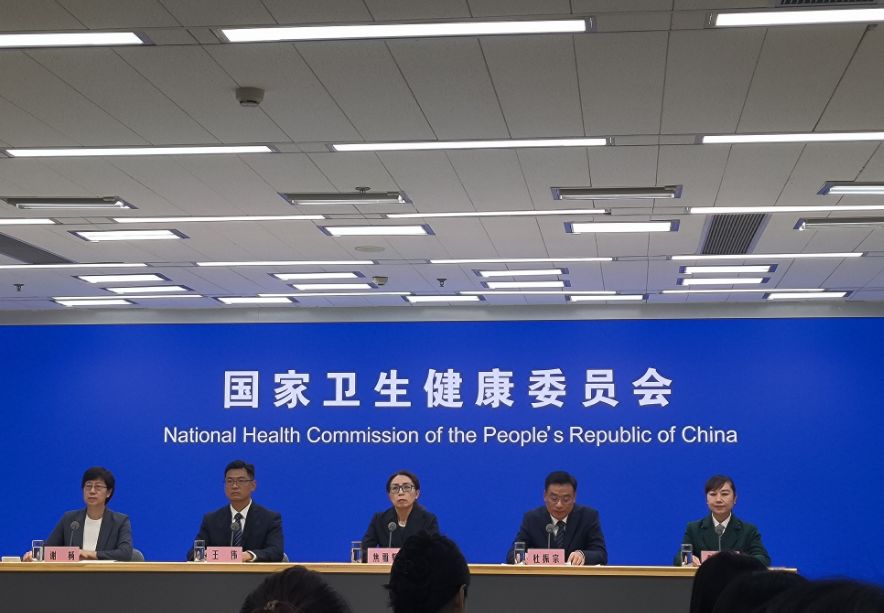
国家卫健委:全国超90%居民已步入“15分钟医疗圈”
Zhong Guo Xin Wen Wang· 2025-11-27 10:04
Core Viewpoint - The National Health Commission reports that over 90% of residents in China now have access to medical services within a 15-minute radius, highlighting significant improvements in the grassroots healthcare system [1] Group 1: Healthcare System Development - The National Health Commission has focused on strengthening the grassroots healthcare service system, with the number of grassroots medical institutions increasing from 970,000 to 1,040,000 during the 14th Five-Year Plan [1] - The proportion of medical consultations provided by grassroots healthcare institutions has consistently remained above 50% of the national total [1] Group 2: Service Accessibility and Coverage - A "fixed + mobile" approach has been adopted to address service gaps, ensuring that every town has a health center and every village has a health room, with urban areas also receiving similar coverage [2] - Remote medical services and mobile clinics have been implemented to reach remote and underserved areas [2] Group 3: Capacity Building - By the end of 2024, there will be 2.078 million licensed physicians in grassroots healthcare institutions, an increase of 542,000 since 2020 [3] - Over 90% of township health centers and community health service centers have met basic service capacity standards [3] Group 4: Pediatric and Mental Health Services - The National Health Commission has launched a three-year initiative to enhance pediatric and mental health services, with 93% of grassroots healthcare institutions currently able to provide pediatric services [4] Group 5: Service Model Optimization - Family doctor contract services are being promoted to integrate basic medical and public health services, with 95% of community health service centers offering long-term prescriptions for chronic disease patients [5] - Weekend vaccination services and family bed services have been introduced to meet the evolving needs of the population [5] Group 6: Future Plans - The National Health Commission aims to continue strengthening the grassroots healthcare service system and improve the overall health service management capabilities during the 15th Five-Year Plan [6]