多民族互嵌式社区

Search documents
我从基层来丨全国政协委员崔海洋:互嵌社区促交融,搬迁群众稳增收
Xin Lang Cai Jing· 2026-02-25 14:55
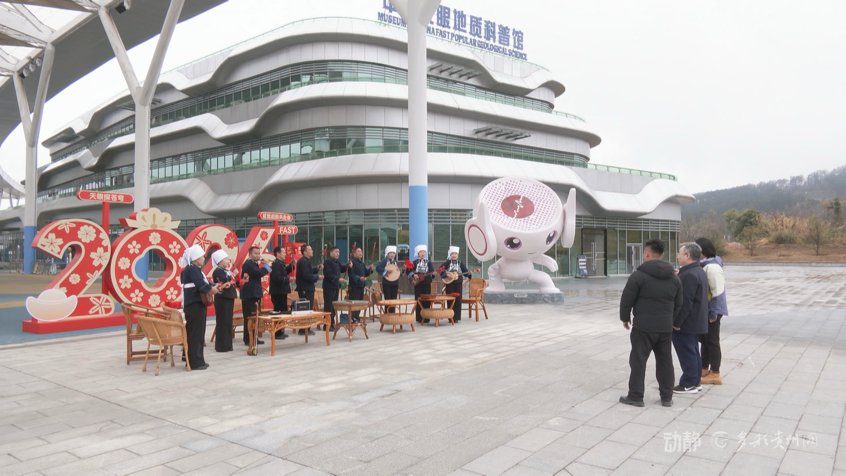
Core Viewpoint - The development of multi-ethnic embedded communities is a new form of social governance that promotes deep integration of ethnic relations and enhances the living and employment conditions of minority communities [1][7]. Group 1: Community Development - The "China Sky Eye" project in Pingtang County has led to the establishment of three resettlement communities that house multiple ethnic groups, including Han, Bouyei, and Tujia, exemplifying a typical multi-ethnic embedded community [3]. - The resettlement has allowed residents to not only settle but also thrive through cultural integration, as seen in the case of Yang Xiaoyun, who opened a hotel and engaged in traditional performances, significantly increasing her annual income to 250,000 yuan [5][7]. Group 2: Cultural Integration and Employment - Cultural embedding and transmission are becoming new drivers of employment, as demonstrated by the innovative integration of traditional Yazhou pottery with Bouyei batik elements, which has gained popularity among tourists [9]. - The non-heritage experience space established in June last year has generated approximately 800,000 yuan in revenue and attracted over 50,000 visitors, providing job opportunities for local and resettled residents [10]. - Over 30 resettled individuals have successfully started their own businesses, and more than 400 have achieved stable employment in their hometowns, highlighting the effectiveness of the local government's focus on high-quality development of resettlement communities [10].

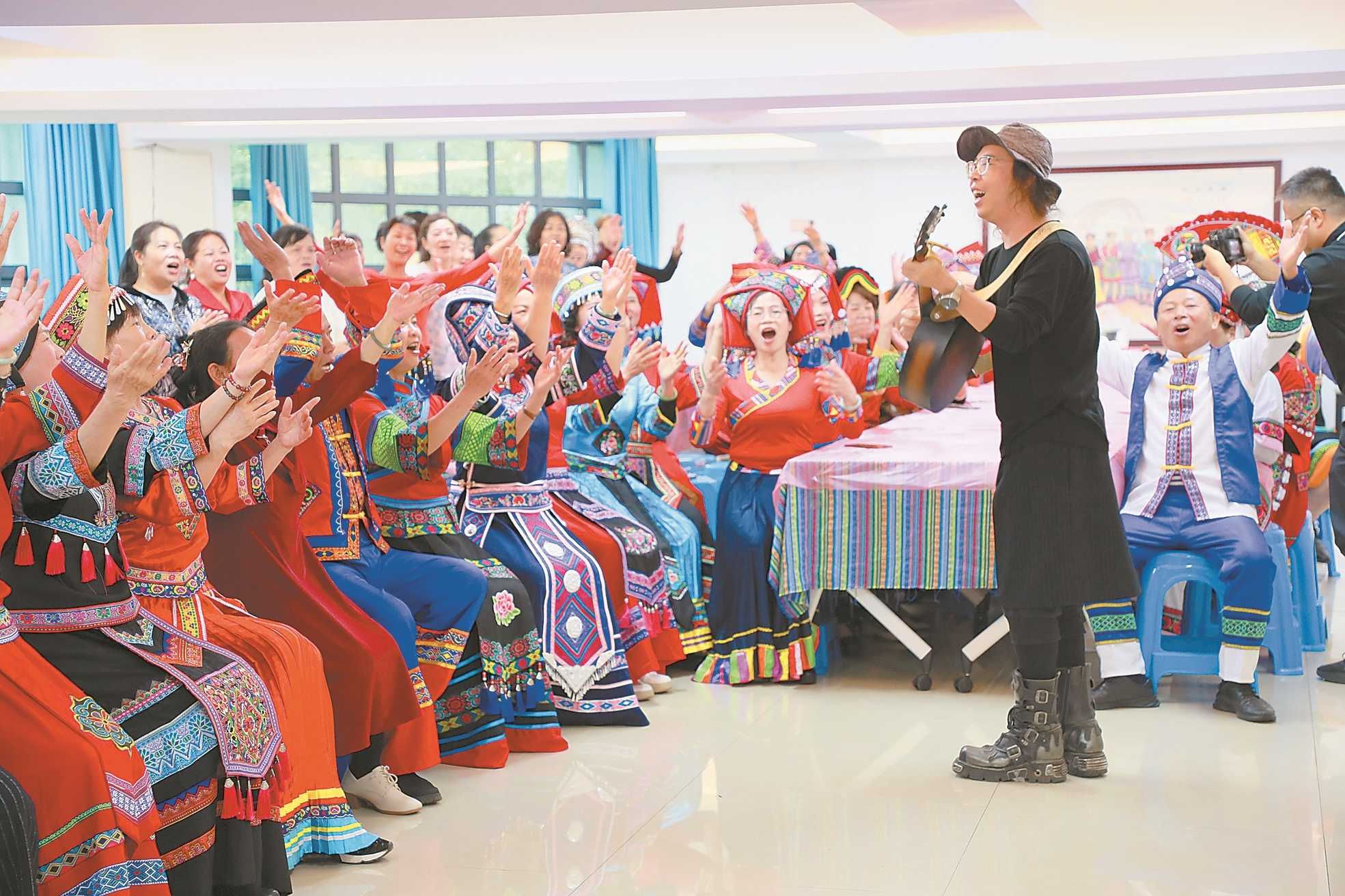
你中有我,我中有你,我们是一家人
Guang Xi Ri Bao· 2025-07-07 02:22
Core Viewpoint - The article emphasizes the importance of building multi-ethnic integrated communities in Guangxi, promoting ethnic unity and cultural exchange among various ethnic groups through community activities and services [6][20][68]. Group 1: Community Integration - Guangxi has established 2,373 communities, forming various types of integrated communities, such as poverty alleviation relocation communities and migrant worker communities [7][19]. - The construction of multi-ethnic integrated communities is seen as a vital approach to enhance interaction and integration among different ethnic groups [6][17]. - The community serves as a warm harbor for diverse ethnic groups, facilitating their integration into the broader Chinese cultural landscape [5][6]. Group 2: Cultural Exchange - Cultural recognition is fundamental for ethnic unity, with various ethnic festivals celebrated collectively, fostering mutual respect and appreciation among different cultures [59][60]. - The article highlights the role of community activities in promoting cultural exchange, such as singing, dancing, and sharing traditional foods during festivals [58][60]. - The integration of cultural practices from different ethnic groups contributes to a shared identity and strengthens community bonds [59][68]. Group 3: Economic Development - Employment initiatives, such as the "Little Liang Sends Workers" program, have successfully connected local labor with job opportunities, resulting in significant income generation for the community [46][47]. - The establishment of industries in relocation communities has created job opportunities, with an average monthly income exceeding 3,600 yuan for workers [51]. - The article notes that the economic integration of various ethnic groups is essential for achieving common prosperity and stability within the community [48][52]. Group 4: Social Services - Community services focus on the well-being of residents, particularly the elderly and children, ensuring that their needs are met [69][70]. - The presence of work teams from various counties in communities helps address residents' concerns and improve service delivery [70]. - The integration of social services is crucial for enhancing the quality of life and fostering a sense of belonging among residents [69][70].