多民族文化融合

Search documents
通讯:舞剧《胡笳十八拍》全国巡演“出圈”的秘密
Zhong Guo Xin Wen Wang· 2025-12-04 11:32
中新网鄂尔多斯12月4日电 题:舞剧《胡笳十八拍》全国巡演"出圈"的秘密 中新网记者 李爱平 在苍凉的音乐声中,时长95分钟的舞剧《胡笳十八拍》(简称《胡笳十八拍》)在武汉琴台大剧院画下了 休止符。进入谢幕环节,该剧执行导演兼男主演阿木尔发现台下观众一动不动。不得已,台上演员只好 连续谢幕三次,观众才不舍离场。 笳十八拍》剧照。 鄂尔多斯市乌兰牧骑供图 图为《胡 "观众的这番热情,让台上50多名演员分外感动,有人情不自禁流泪。"12月4日,阿木尔在内蒙古自治 区鄂尔多斯市乌兰牧骑对记者表示。 获得观众点赞之外,《胡笳十八拍》也迎来高光时刻。当日,鄂尔多斯市乌兰牧骑正式宣布,该剧成为 第十五届全国舞蹈展演参演作品,演职人员还将在江苏无锡上演该剧。 《胡笳十八拍》打动观众的力量,还在于该剧让人认识到了不一样的蔡文姬。《胡笳十八拍》女主角之 一的孙秋月此前在接受记者采访时表示,蔡文姬借助古代北方游牧民族创造的吹奏乐器——胡笳,将少 数民族的乐曲转化为中原雅音的故事,令人震撼。"尤其在剧中第4场,我用舞蹈表现蔡文姬续写《后汉 记》的那一段,真切感受到了蔡文姬的伟大。" 笳十八拍》剧照。 鄂尔多斯市乌兰牧骑供图 从20 ...


古村蝶变“乐居”地
Xin Hua Wang· 2025-07-30 08:29
Core Insights - Leju Village, located in Kunming, Yunnan Province, is a historical Yi ethnic village with over 600 years of history, known for its unique "Yike Yin" style architecture [2] - The village has successfully integrated new business models such as homestays, bakeries, cafes, and specialty restaurants while preserving its traditional appearance, revitalizing the village's cultural and economic life [2] - Leju Village has been recognized as a key protected historical and cultural village in Yunnan Province and was included in the second batch of traditional villages in China in 2013, serving as a model for the protection and active utilization of traditional villages [2]

西夏陵申遗成功,它是贺兰山下失落王朝的一部“档案”
Di Yi Cai Jing· 2025-07-12 13:45
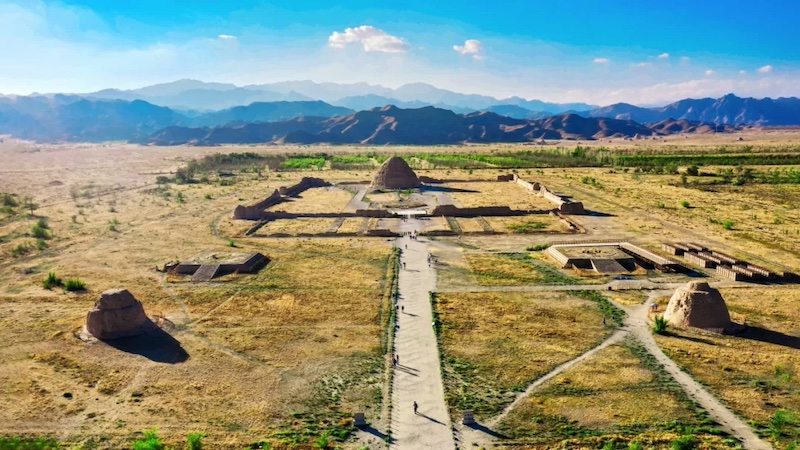
Core Viewpoint - The successful application for UNESCO World Heritage status for the Western Xia Mausoleum marks a significant recognition of the Western Xia civilization, which has been largely overlooked in historical records, particularly in China [1][10]. Summary by Sections Historical Context - The Western Xia Mausoleum, located at the foot of the Helan Mountains, spans nearly 40 square kilometers and consists of nine large earthen tombs, 271 accompanying graves, and various flood control relics, showcasing the historical significance of the Western Xia dynasty [1][4]. - Initial misconceptions about the site included it being mistaken for "prehistoric termite mounds" by a German pilot in 1937, leading to a long period of underappreciation until systematic archaeological investigations began in 1972 [3][4]. Archaeological Discoveries - Key archaeological milestones include the identification of the mausoleum as the Western Xia royal tombs in 1974, with subsequent excavations revealing a total of 271 accompanying graves, up from 254 [4][10]. - The mausoleum's construction techniques, such as rammed earth walls and wooden frameworks, demonstrate advanced engineering skills that have allowed these structures to withstand harsh environmental conditions for centuries [8][11]. Cultural Significance - The design of the mausoleum reflects a blend of Buddhist and imperial symbolism, with the earthen tombs resembling pagodas, indicating the integration of religious and political ideologies [5][6]. - The Western Xia dynasty, established by the Tangut people, coexisted with other major dynasties and was characterized by a unique cultural identity that incorporated elements from various ethnic groups, including Han, Tibetan, and Khitan [10][11]. Recognition and Future Prospects - The inclusion of the Western Xia Mausoleum in the World Heritage list elevates its status and highlights its role in illustrating the diversity of human civilization [1][10]. - The management of the site is now entering a new phase with digital restoration technologies, aiming to enhance public understanding and appreciation of the Western Xia civilization [11].