大城智管

Search documents
“智慧大脑”守护滨海新区百姓温暖
Zhong Guo Fa Zhan Wang· 2026-02-25 08:27
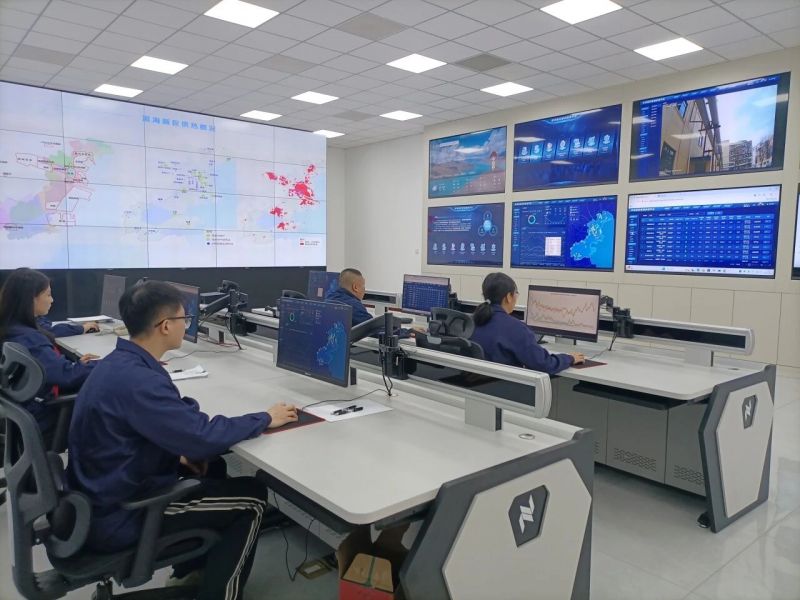
Core Insights - The Binhai New Area Smart Heating Platform has been established to enhance heating services for approximately 1.3 million users, significantly reducing service requests by 65% compared to the previous year [1][2][4] Group 1: Smart Heating Platform Overview - The platform operates a comprehensive "source-network-load-user" smart operation system, which is set to be fully operational by the 2025-2026 heating season [1] - Real-time monitoring of 71 heating stations and over 1,300 heat exchange stations allows for immediate visibility into heating data for each residential community [2][6] Group 2: Operational Efficiency and Emergency Response - The platform includes seven subsystems focused on heating dispatch, service supervision, and emergency command, with automatic alerts triggered for low return water temperatures or loads [4] - In extreme weather conditions, the platform proactively notifies heating companies to increase temperature and pressure, ensuring timely resolution of heating issues [4][6] Group 3: Data-Driven Decision Making - The smart heating platform provides a panoramic data system covering the entire heating supply chain, supporting decision-making and operational management [6] - The transition from reactive repairs to proactive warnings enhances service quality and allows for tailored responses to individual user needs [6] Group 4: Future Developments and Sustainability - Plans are in place for the "3+2+N" network strategy to upgrade existing heating plants and integrate renewable energy sources, ensuring a sustainable heating supply [7] - Ongoing projects aim to improve network connectivity and capacity, enhancing the overall stability and safety of the heating system across the region [7]

天津:深化市容环境治理 打造“上合美”升级版
Zhong Guo Xin Wen Wang· 2025-11-10 13:40
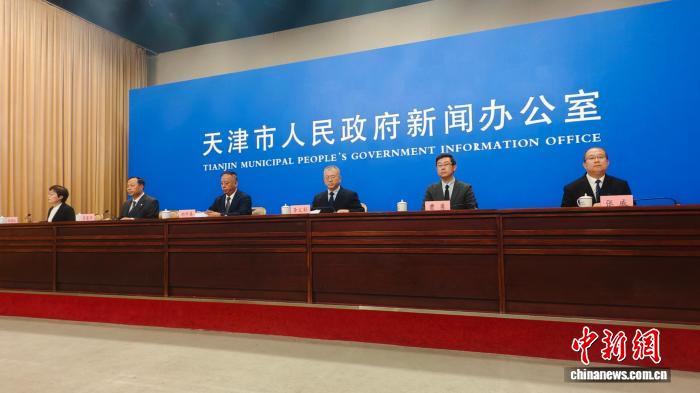
Core Points - Tianjin aims to enhance urban environment management and create an upgraded version of "Shanghai Cooperation Organization Beauty" to showcase a new image of a beautiful Tianjin [1][4] Group 1: Urban Management Initiatives - During the 14th Five-Year Plan period, Tianjin will implement "large city fine management, large city intelligent management, and large city public participation," making the city more suitable for work, living, leisure, and tourism [3] - The city plans to build and upgrade 13 urban parks and 275 pocket parks, add over 200 kilometers of urban greenways, and increase green space by nearly 56 million square meters, making "viewing greenery from windows and entering parks upon exiting" a reality [3] - The addition of 41,000 public parking spaces and the renovation of 2,281 kilometers of old heating pipelines will effectively alleviate parking difficulties [3] Group 2: Infrastructure and Waste Management - Tianjin has completed repairs on 106 roads and 248 bridges, covering an area of 5.925 million square meters [3] - The coverage rate of waste classification in residential communities and public institutions has reached 100%, with a resource utilization rate of 82% and a harmless treatment rate of 100% for urban household waste [3] - The implementation of the "1001 Project" for street lighting has eliminated blind spots in lighting, ensuring the safety of citizens during nighttime travel [3] Group 3: Smart City Development - Over the past five years, Tianjin has established a smart city management framework, creating a city operation management service platform that integrates nine major industry applications, allowing for unified monitoring and coordinated command [3] - The city has renovated 2,625 kilometers of old gas pipelines and completed the renovation of gas facilities in 6.08 million households, enhancing urban operational safety [3] Group 4: Future Plans - Tianjin will focus on transforming urban management from "temporary beauty" to "lasting beauty," "local beauty" to "overall beauty," and "external beauty" to "internal beauty" [4] - The city aims to modernize its infrastructure and develop a unique "Tianjin-style garden" system while enhancing urban governance modernization [4]