头部保暖

Search documents
转给冬天出门不戴帽子的朋友
Xin Lang Cai Jing· 2026-01-22 11:00
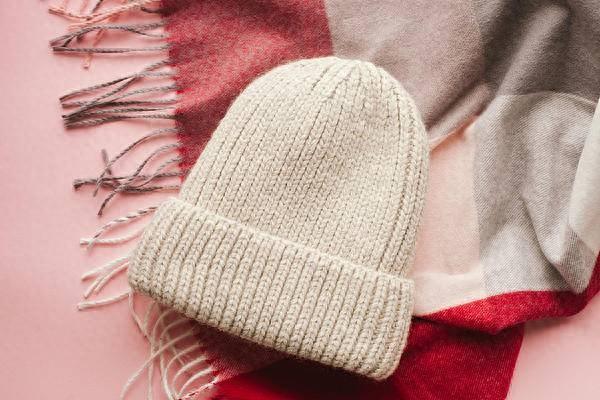
降温啦! 这么冷的天气外出 你会戴帽子吗? 这个小习惯不仅保暖而且防病 有研究表明 静止状态下不戴帽子 气温为15℃时 人体约1/3的热量会从头 部散发 而气温在4℃左右时 约一半的热量会从头部跑掉 戴帽子:脑卒中的"防护盾" 看似普通的帽子 实则是冬季护脑利器 其核心益处集中在三点 一起来了解一下吧~ 稳定血压,减少血管应激 帽子能阻挡冷空气直接侵袭 避免头部血管反复收缩扩张 帮助高血压患者控制血压波动 改善脑部供血 研究显示冬季坚持头部保暖 头部保暖可减少感冒 呼吸道感染的发生 同时也能缓解低温引发的血管性头痛 避免疼痛刺激导致的血压升高 科学戴帽,避免误区 不少人虽有戴帽习惯 却因方式不当给脑血管健康"埋雷" 主要有以下三个误区需要避免 湿发戴帽 可使轻型脑梗死发病率下降近18% 减少诱发因素 建议室内温度≥20℃时及时脱帽通风 戴过紧 / 过厚的帽子 为追求保暖选择过厚 洗头后未吹干就戴帽 湿气会被困在头皮与帽子间 同时潮湿环境可能诱发头皮感染 间接增加脑血管应激风险 长期戴帽不摘 部分人冬季在室内也持续戴帽 会导致头皮血液循环不畅 且头部闷热出汗可能引发血压轻微升高 弹性过强的帽子 会持续压迫头皮动 ...


这个冬天,请给家人和自己备上一顶暖帽!
Xin Lang Cai Jing· 2025-12-24 04:23
Core Viewpoint - Wearing a hat in winter is essential for maintaining body heat and preventing various diseases, particularly in relation to brain health [1][4]. Group 1: Importance of Wearing a Hat - Research indicates that without a hat, approximately one-third of body heat is lost from the head at 15°C, and nearly half at around 4°C [1][3]. - The winter season sees an increase in stroke incidents, with a 1.13% rise in stroke risk and a 1.2% increase in mortality risk for every 1°C drop in temperature [3]. Group 2: Benefits of Hat Wearing - Hats help stabilize blood pressure and reduce vascular stress by blocking cold air, which prevents the repeated constriction and dilation of head blood vessels [4]. - Continuous hat wear can keep systolic blood pressure fluctuations in hypertensive individuals between 8-12 mmHg, significantly lower than the 20 mmHg observed in those not wearing hats [4]. - Maintaining head warmth ensures adequate blood flow to the brain, reducing the incidence of light strokes by nearly 18% during winter [4]. Group 3: Risks of Improper Hat Use - Common mistakes include wearing a hat with wet hair, which can lead to abnormal blood vessel contraction and increase the risk of vascular stress [5]. - Prolonged indoor hat wear can impede scalp blood circulation and may lead to slight increases in blood pressure due to overheating [5]. - Choosing hats that are too tight or thick can compress cranial arteries, potentially worsening ischemic conditions for individuals with existing vascular issues [5].