女性盆底功能障碍性疾病

Search documents
盆底康复不是“智商税”
Nei Meng Gu Ri Bao· 2026-01-23 01:50
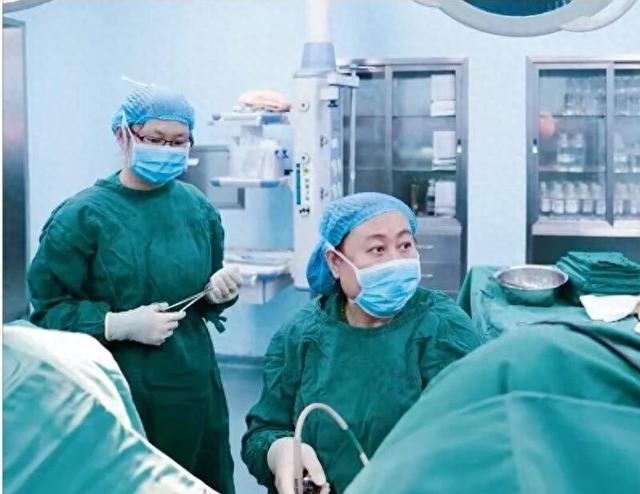
Core Insights - The article highlights the prevalence and impact of pelvic floor disorders among women, particularly those who have undergone hysterectomy and are in their 60s, as exemplified by the case of a patient named Aunt Huo [1][2] Group 1: Prevalence and Impact of Pelvic Floor Disorders - Pelvic floor dysfunction affects 30%-50% of women in China, with postpartum women being at higher risk [1] - Many women mistakenly believe that a hysterectomy will resolve all related issues, not realizing the complexity of pelvic support structures [1] Group 2: Case Study of Aunt Huo - Aunt Huo was diagnosed with pelvic organ prolapse and stress urinary incontinence, conditions that often occur together in middle-aged women post-surgery [2] - Following a complex surgical procedure called total pelvic reconstruction, Aunt Huo experienced significant improvement in her symptoms [2] Group 3: Recommendations for Pelvic Floor Health - It is crucial for women, especially those who have given birth, to undergo pelvic floor assessments postpartum and engage in Kegel exercises [4] - Maintaining a healthy weight and addressing any early symptoms can prevent the worsening of pelvic floor disorders [4] - The article emphasizes the importance of pelvic health for women's dignity and quality of life, urging early intervention and awareness [4]