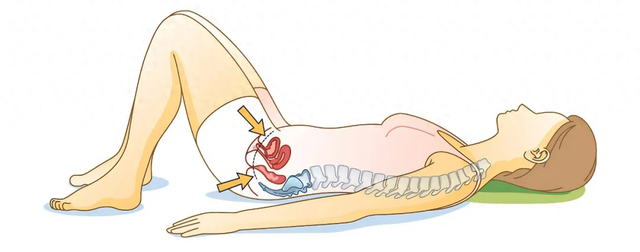
凯格尔运动

Search documents
盆底康复不是“智商税”
Nei Meng Gu Ri Bao· 2026-01-23 01:50
Core Insights - The article highlights the prevalence and impact of pelvic floor disorders among women, particularly those who have undergone hysterectomy and are in their 60s, as exemplified by the case of a patient named Aunt Huo [1][2] Group 1: Prevalence and Impact of Pelvic Floor Disorders - Pelvic floor dysfunction affects 30%-50% of women in China, with postpartum women being at higher risk [1] - Many women mistakenly believe that a hysterectomy will resolve all related issues, not realizing the complexity of pelvic support structures [1] Group 2: Case Study of Aunt Huo - Aunt Huo was diagnosed with pelvic organ prolapse and stress urinary incontinence, conditions that often occur together in middle-aged women post-surgery [2] - Following a complex surgical procedure called total pelvic reconstruction, Aunt Huo experienced significant improvement in her symptoms [2] Group 3: Recommendations for Pelvic Floor Health - It is crucial for women, especially those who have given birth, to undergo pelvic floor assessments postpartum and engage in Kegel exercises [4] - Maintaining a healthy weight and addressing any early symptoms can prevent the worsening of pelvic floor disorders [4] - The article emphasizes the importance of pelvic health for women's dignity and quality of life, urging early intervention and awareness [4]


中年女性少做这个动作,每一次都是在冲击盆底肌
Xin Lang Cai Jing· 2025-12-21 02:11
Core Viewpoint - The article emphasizes the importance of choosing appropriate exercises for middle-aged women, particularly after the age of 40, to avoid damaging the pelvic floor muscles while still benefiting from physical activity [1][3]. Group 1: Impact of High-Impact Exercises - High-impact exercises, such as jumping, can significantly stress the pelvic floor muscles, which support vital organs like the bladder and uterus [4]. - As women age, especially after childbirth, the pelvic floor muscles may weaken, making them more susceptible to injury from high-impact activities [4][5]. - Repeated high-impact activities can lead to issues such as urinary incontinence and pelvic organ prolapse due to increased strain on the pelvic floor [5][8]. Group 2: Recommended Exercises for Middle-Aged Women - Middle-aged women are advised to engage in low-impact exercises that strengthen the pelvic floor, such as swimming, brisk walking, cycling, yoga, Pilates, and Tai Chi [9]. - It is important to avoid sudden twists and prolonged breath-holding during these exercises to prevent increased abdominal pressure [9]. Group 3: Pelvic Floor Muscle Training - Daily pelvic floor muscle exercises, known as Kegel exercises, are recommended to strengthen these muscles [11]. - To identify the pelvic floor muscles, one can practice stopping urination mid-flow, which indicates the contraction of these muscles [11]. - The training should be done in a comfortable position, focusing on relaxing auxiliary muscles and avoiding breath-holding [13].