安顺地戏

Search documents
有艺思丨对话朱婧汐、狮子侠:当600年地戏遇上电子音乐,会发生什么?
Xin Lang Cai Jing· 2026-02-04 15:22
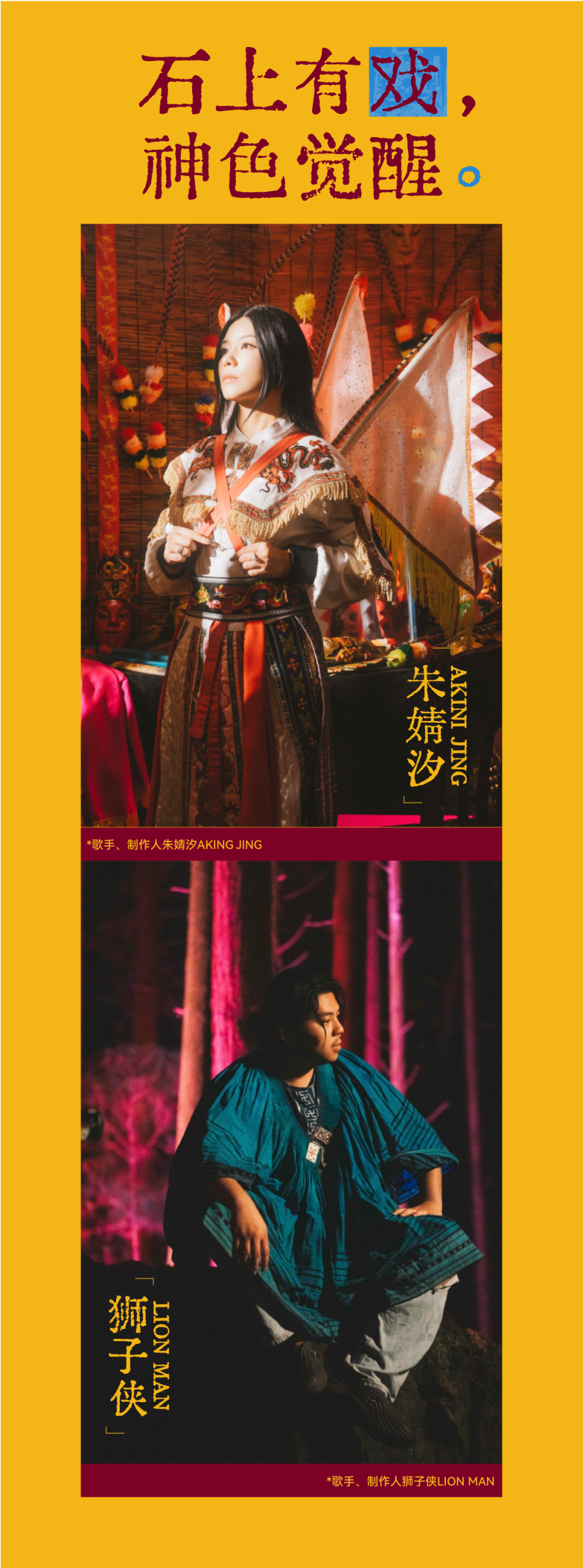
Core Insights - The article explores the cultural significance of Anshun Tunpu culture and its integration with modern music through the collaboration of musicians Zhu Jingxi and Lionman [5][34] - It emphasizes the importance of understanding local history and traditions to create meaningful artistic expressions that resonate with contemporary audiences [19][26] Group 1: Cultural Exploration - Anshun Tunpu culture is described as a treasure, with its historical roots tracing back to the Ming Dynasty military settlement system [5][10] - The musicians aim to connect with the land, history, and self-identity through their artistic journey, highlighting the gradual understanding of cultural layers [8][19] - The experience of wearing traditional masks is portrayed as a transformative moment, allowing for a deeper connection to the cultural narrative [12][15] Group 2: Artistic Collaboration - Zhu Jingxi and Lionman blend traditional elements such as local dialects, gongs, and bamboo flutes with modern electronic beats in their work "Borrowing the Dragon Wood" [34] - The collaboration is characterized by a playful reinterpretation of traditional hero narratives, showcasing a more nuanced portrayal of female characters [19][31] - Lionman draws inspiration from natural sounds and local music, emphasizing the importance of authenticity and cultural roots in his creative process [24][26] Group 3: Future Aspirations - Both musicians express a desire to continue exploring and promoting the rich cultural heritage of Guizhou, aiming to position it as a hub for intangible cultural heritage music [34] - The upcoming documentary series "Mountain Echoes" will feature their innovative fusion of traditional and modern music, highlighting the ongoing relevance of cultural traditions [34]