
屯堡文化

Search documents
明“潮”市集人气旺
Xin Lang Cai Jing· 2026-02-23 22:47
Group 1 - The Anshun Yunfeng Tunpu Scenic Area hosted a "Ming Dynasty Market" event during the Spring Festival, featuring performers in Ming Dynasty costumes, which created an immersive historical experience for visitors [1] - The event included a parade of over a hundred staff members, traditional music performances, and cultural dances, enhancing the festive atmosphere and attracting tourists [1] - The scenic area introduced a unique IP called "Yun Niang," allowing visitors to engage with the local culture while exploring the streets [1] Group 2 - The newly opened Tunpu Cultural Exhibition Center and "Four Workshops and Five Crafts" experience points provided visitors with hands-on cultural experiences, such as archery and tie-dyeing [2] - Visitors expressed enjoyment and a strong sense of cultural connection, particularly families who appreciated the festive ambiance and activities available for children [2] - The event successfully combined historical elements with interactive experiences, contributing to a memorable visit for tourists [2]
云峰屯堡春节年味浓厚,沉浸式感受大明烟火气
Xin Lang Cai Jing· 2026-02-17 09:07
Core Viewpoint - The article highlights the unique cultural experience offered by the Yunfeng Tunpu Scenic Area during the 2026 Spring Festival, focusing on the deep exploration of six hundred years of Tunpu culture through the theme "On Yunfeng Tunpu · Visiting the Ming 'Tide' Market" [1]. Group 1 - The scenic area breaks traditional sightseeing models by implementing Ming Dynasty service etiquette, featuring a parade team composed of staff and over a hundred NPCs, providing an immersive experience throughout the ancient alleys [3]. - A variety of performances, including Ming Dynasty micro-dramas, blessings from the God of Wealth, matchmaking by the God of Marriage, flash dances of traditional styles, and performances of ancient musical instruments, will be held continuously [3]. - Visitors can follow the character "Yun Niang" through the Tian Street, experiencing the bustling market and festive atmosphere of the Ming Dynasty in an immersive manner [3]. Group 2 - The newly opened Tunpu Cultural Exhibition Center and the "Four Workshops and Five Crafts" experience points are highlights, showcasing the historical origins of Tunpu and allowing visitors to engage in ancient craftsmanship [5]. - The event features new popular spots such as the Yun Niang themed photo point, a scenic waterfall, a wishing pool, and a path of blessings, combining aesthetic appeal with auspicious meanings for visitors during the New Year [5]. - The article encourages families and friends to visit Yunfeng Tunpu to touch the historical warmth and enjoy a culturally rich and joyful Spring Festival [6].

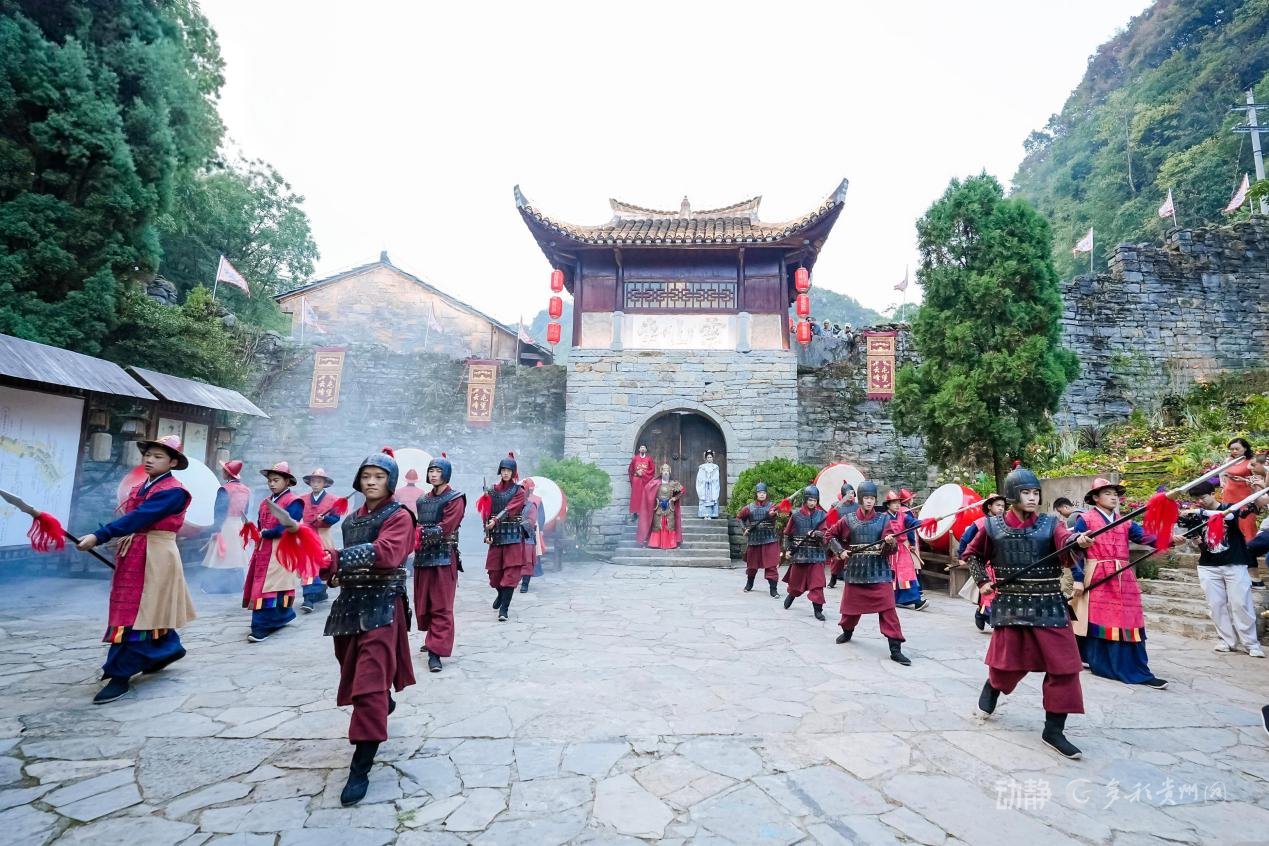
有艺思丨对话朱婧汐、狮子侠:当600年地戏遇上电子音乐,会发生什么?
Xin Lang Cai Jing· 2026-02-04 15:22
Core Insights - The article explores the cultural significance of Anshun Tunpu culture and its integration with modern music through the collaboration of musicians Zhu Jingxi and Lionman [5][34] - It emphasizes the importance of understanding local history and traditions to create meaningful artistic expressions that resonate with contemporary audiences [19][26] Group 1: Cultural Exploration - Anshun Tunpu culture is described as a treasure, with its historical roots tracing back to the Ming Dynasty military settlement system [5][10] - The musicians aim to connect with the land, history, and self-identity through their artistic journey, highlighting the gradual understanding of cultural layers [8][19] - The experience of wearing traditional masks is portrayed as a transformative moment, allowing for a deeper connection to the cultural narrative [12][15] Group 2: Artistic Collaboration - Zhu Jingxi and Lionman blend traditional elements such as local dialects, gongs, and bamboo flutes with modern electronic beats in their work "Borrowing the Dragon Wood" [34] - The collaboration is characterized by a playful reinterpretation of traditional hero narratives, showcasing a more nuanced portrayal of female characters [19][31] - Lionman draws inspiration from natural sounds and local music, emphasizing the importance of authenticity and cultural roots in his creative process [24][26] Group 3: Future Aspirations - Both musicians express a desire to continue exploring and promoting the rich cultural heritage of Guizhou, aiming to position it as a hub for intangible cultural heritage music [34] - The upcoming documentary series "Mountain Echoes" will feature their innovative fusion of traditional and modern music, highlighting the ongoing relevance of cultural traditions [34]
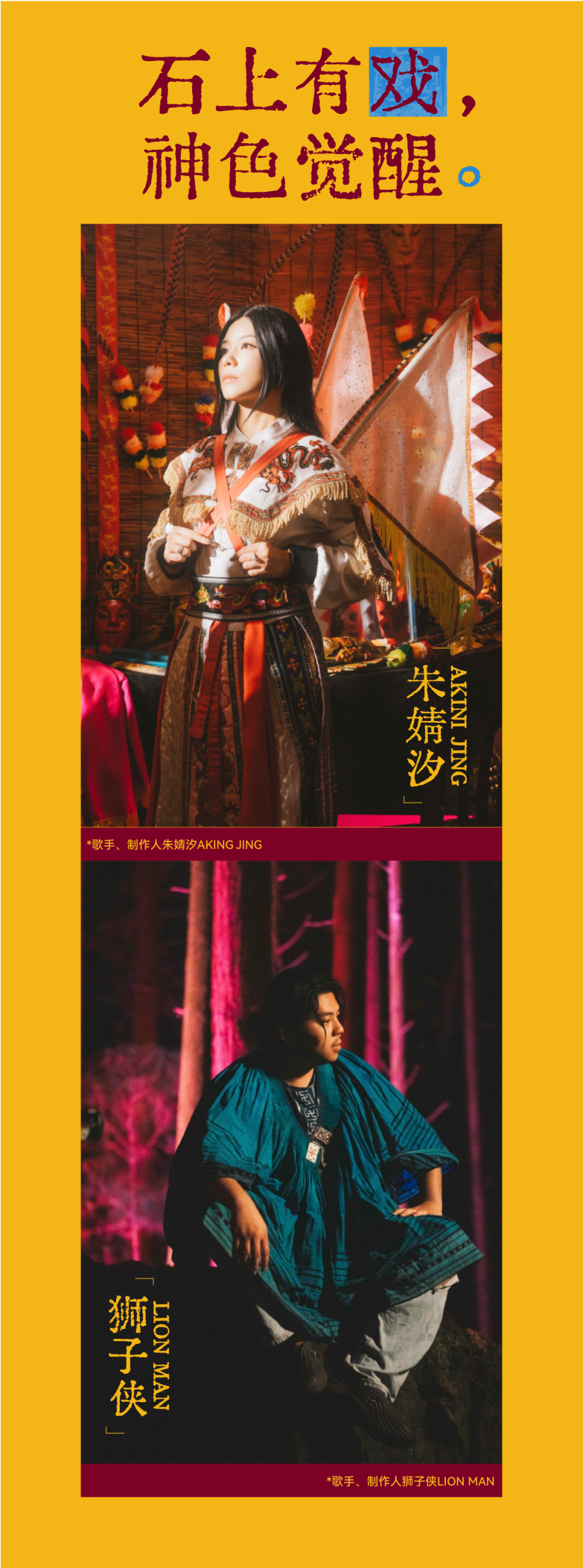
展示多彩文化 守护精神家园——贵州深入挖掘屯堡文化蕴含的时代价值
Xin Hua She· 2026-01-26 00:08
Core Viewpoint - The article emphasizes the significance of Tuntou culture in Guizhou as a representation of ethnic integration and cultural richness, which contributes to the economic and social development of the region, fostering a sense of national identity and community among diverse ethnic groups [1][8]. Group 1: Cultural Heritage and Ethnic Integration - Tuntou culture, formed over 600 years through the settlement of soldiers and local communities, remains vibrant in Guizhou, particularly in areas like Anshun, Guiyang, and Tongren [2][3]. - The Tuntou culture showcases the blending of various ethnic traditions, exemplified by the "Rolling Dragon" dance, which integrates elements from both minority and Han cultures [2][3]. - The unique architectural style of Tuntou, characterized by stone buildings, reflects the historical and cultural significance of the region, preserving both Han and local traditions [5][11]. Group 2: Economic Development through Cultural Tourism - The Tuntou culture has become a key driver for local economic growth, with tourism initiatives leading to increased visitor numbers and revenue, such as the projected 900 million yuan in tourism income for 2025 [6][7]. - Local communities are actively participating in the tourism sector, with many residents finding employment opportunities in cultural performances and traditional crafts, enhancing their livelihoods [6][7]. - The integration of Tuntou culture into tourism strategies has resulted in a 13.2% increase in total tourist visits to Anshun, indicating a strong growth trend in the local tourism industry [7]. Group 3: Cultural Education and Preservation - Educational initiatives in schools are promoting Tuntou culture among youth, ensuring the transmission of traditional values and stories, which strengthens national identity [9][11]. - The Guizhou government is implementing systematic measures for the protection and promotion of Tuntou culture, including archaeological surveys and the establishment of cultural heritage regulations [10][11]. - The revival of traditional crafts and performances, such as the local opera, is being supported through community engagement and government initiatives, contributing to the cultural richness of the region [11].
展示多彩文化 守护精神家园
Xin Lang Cai Jing· 2026-01-25 21:22
Core Viewpoint - The article highlights the significance of Tuntou culture in Guizhou, emphasizing its role in promoting cultural confidence and economic development in ethnic regions, while showcasing the integration of various ethnic groups over 600 years [10][12][16]. Group 1: Cultural Heritage and Significance - Tuntou culture, formed over 600 years ago, represents a unique blend of various ethnic traditions and has become a vital part of Guizhou's cultural identity [10][12]. - The preservation and promotion of Tuntou culture are seen as essential for enhancing national unity and fostering a sense of community among diverse ethnic groups [20][21]. - Events such as the "village evening" and dragon dance during festivals illustrate the vibrant cultural practices that continue to thrive in the region [11][12]. Group 2: Economic Development and Tourism - The Tuntou culture has been leveraged to boost local tourism, with over 400,000 visitors and a tourism revenue of approximately 9 million yuan in 2025 [14][15]. - The integration of Tuntou culture into various business models, including traditional food and cultural performances, has created job opportunities for local residents [14][16]. - The development of new tourism products and experiences, such as themed accommodations and cultural workshops, has contributed to the economic revitalization of the region [14][15]. Group 3: Education and Cultural Transmission - Initiatives to incorporate Tuntou culture into school curricula aim to instill cultural pride and awareness among the youth, ensuring the transmission of traditional values [18][20]. - The establishment of a talent pool for Tuntou cultural transmission highlights the importance of nurturing future generations to carry on these traditions [18][20]. - Local artists and educators are actively involved in teaching and promoting Tuntou culture, fostering a deeper connection between the community and its heritage [18][20].
深挖特色文化资源潜能 推动文化大发展大繁荣
Xin Lang Cai Jing· 2025-12-31 04:31
Core Viewpoint - The cultural prosperity and development in Guizhou is a significant marker of Chinese-style modernization and serves as a deep force for high-quality development and modernization in the province [1] Group 1: Cultural Projects and Initiatives - Guizhou is implementing "Four Major Cultural Projects" to enhance cultural resources and promote cultural industries, which are increasingly demonstrating their role in leading trends, educating the public, serving society, and driving development [2] - The establishment of a systematic and standardized red culture research system aims to integrate research efforts on the historical context of the Red Army's Long March in Guizhou, leading to high-quality research outcomes and educational materials [2] - The promotion of the "Long March Spirit" through the construction of the Long March National Cultural Park in Guizhou focuses on protecting and utilizing red cultural resources [2] Group 2: Cultural Heritage and Ethnic Culture - A comprehensive survey and research initiative on the history, language, and traditions of various ethnic groups in Guizhou is underway, emphasizing the protection and transmission of intangible cultural heritage [4] - The development of cultural products and services that incorporate traditional crafts and performances aims to revitalize intangible cultural heritage and improve livelihoods [4] Group 3: Cultural Brand Development - The "Mountain Park Province · Colorful Guizhou Wind" cultural tourism brand has gained significant recognition, enhancing Guizhou's cultural influence and identity [6] - Various regional cultural brands, such as "Red Zunyi" and "Cool Guiyang," showcase the unique characteristics of different areas within Guizhou [6] Group 4: Cultural Products and Quality - Guizhou's cultural originality is on the rise, with a focus on creating works that reflect the spirit of the times and local characteristics, including television dramas and stage plays that resonate with audiences [7] - Initiatives like "Our China Dream" aim to bring cultural activities to rural areas, benefiting millions of people annually [7] Group 5: Cultural Heritage Protection - The establishment of a cultural heritage protection system is being enhanced through revised regulations and a coordinated approach among relevant departments, ensuring effective management and utilization of cultural resources [8] - Significant progress has been made in protecting traditional villages and intangible cultural heritage, with notable projects recognized at national and international levels [8] Group 6: Integration of Culture and Tourism - The integration of culture and tourism is being deepened, with the development of high-quality tourism projects that highlight Guizhou's unique cultural and natural resources [9] - New tourism consumption models, such as immersive performances and heritage experiences, are being cultivated to enhance the attractiveness of the cultural tourism sector [9] Group 7: Community Cultural Life - The implementation of the "Guizhou Province New Era Citizen Moral Construction Implementation Plan" is promoting the integration of core socialist values into daily life and governance [10] - Public cultural services are being improved, with a focus on expanding access and enhancing the quality of cultural experiences for the community [10] Group 8: Cultural Resource Innovation - The establishment of mechanisms for creative transformation and innovative development aims to invigorate cultural resources and enhance their modern relevance [11] - Policies supporting cultural prosperity are being developed, focusing on legal frameworks and financial incentives to foster a sustainable cultural environment [11] Group 9: Cultural Industry Development - Guizhou is leveraging its unique cultural resources to create a diverse and complementary cultural industry structure, integrating with tourism, agriculture, and other sectors [13] - Major cultural projects are being planned and implemented to drive the development of the cultural industry and enhance its contribution to social development [13] Group 10: International Cultural Exchange - A modern communication matrix is being established to enhance the dissemination and dialogue of Guizhou's culture on a global scale [14] - Efforts are being made to promote Guizhou's cultural products and engage in international cultural exchanges, showcasing both traditional and contemporary narratives [14]
异源同境 雅俗共生
Xin Lang Cai Jing· 2025-12-27 18:41
Core Viewpoint - The article discusses the unique cultural and linguistic characteristics of Guizhou's military settlement dialects, particularly focusing on the preservation of ancient phonetics and vocabulary, as well as the rich oral traditions associated with these dialects [4][14]. Summary by Sections Historical Context - Guizhou was established as the 13th province of China during the Ming Dynasty, which facilitated political, economic, and cultural development, enhancing interactions among various ethnic groups [3]. - The formation of Guizhou's dialects is closely linked to the influx of military settlers from regions like southern Jiangsu and Anhui during the Ming Dynasty [4]. Linguistic Features - The dialects of Qianzhong Tunbao and the Laba Miao people are characterized as "dialect islands" with significant differences from surrounding dialects, yet they share common roots [4][5]. - Qianzhong Tunbao dialect retains distinct phonetic features, such as the preservation of ancient voiced consonants, which have largely disappeared in other northern dialects [7][8]. - The Laba Miao dialect exhibits regional variations and is influenced by both local and external dialects, showcasing a blend of linguistic characteristics [6][8]. Cultural Aspects - The oral traditions in Guizhou's military settlement dialects are rich, encompassing folk stories, proverbs, and various forms of performance art, such as the local "Dixi" theater [10][11]. - Dixi theater, prevalent in Tunbao villages, reflects the cultural heritage of military settlers and has evolved over time, integrating local customs and storytelling traditions [10][11]. Geographic and Historical Significance - The geographical names in Guizhou, particularly those associated with military settlements, reveal a stable cultural heritage and historical significance, often retaining their original meanings over time [12][13]. - The military settlement culture in Guizhou illustrates the broader narrative of Chinese civilization, highlighting the interactions and integrations of different ethnicities and cultures [14].
推动屯堡文化在新时代焕发新光彩
Xin Lang Cai Jing· 2025-12-21 11:27
Core Viewpoint - The article emphasizes the importance of promoting and preserving Tunpu culture as a vital part of Guizhou's identity and economic development, linking it to national narratives and modern governance strategies [1][7]. Group A: Cultural Significance and Historical Context - Tunpu culture is integral to Guizhou's history, reflecting the province's strategic role in national development since its establishment during the Ming Dynasty [1]. - The culture serves as a "time-space bridge" connecting the central plains and southwestern China, showcasing a unique blend of Jiangnan and Qian culture through living heritage [1]. Group B: Innovative Cultural Integration - The 2025 Tunpu Cultural Conference aims to create an innovative platform for cultural, industrial, governance, and communication integration, enhancing the synergy between Guizhou's cultural heritage and economic growth [2]. - Future initiatives may include developing a "Tunpu-Qian Culture Corridor" and a ticketing system for cultural experiences to increase visitor engagement and extend their stay [2]. Group C: Value System and Governance - The essence of Tunpu culture is encapsulated in the four values: loyalty, courage, harmony, and integration, which can guide governance practices and community cohesion [3]. - Implementing these values into governance frameworks can enhance community trust and promote national unity, while also encouraging youth engagement in cultural practices [3]. Group D: Cultural Supply and Academic Integration - The article discusses the need for a shift from academic research to cultural engineering, aiming for a systematic, data-driven approach to cultural supply [4]. - Initiatives include developing educational programs and standardizing cultural practices to create a sustainable cultural economy in Guizhou [5]. Group E: Community Engagement and Inclusivity - Emphasizing the importance of community involvement, the article suggests mechanisms for local participation in cultural development, ensuring that benefits reach the grassroots level [6]. - The establishment of evaluation systems and youth engagement programs aims to maintain cultural authenticity while fostering a sense of belonging among younger generations [6]. Group F: Strategic Cultural Development - The Tunpu Cultural Conference addresses historical questions about Guizhou's identity and outlines a clear path for future development, integrating culture with economic strategies [7]. - The article posits that by leveraging cultural strengths, Guizhou can enhance its economic landscape and contribute to a broader narrative of cultural confidence and provincial development [7].
汇聚跨界智慧 激发屯堡文化时代价值
Ren Min Ri Bao· 2025-11-27 22:30
Core Viewpoint - The Tuntou culture, originating from the early Ming Dynasty, represents a unique blend of cultural influences and serves as a testament to the historical significance of national unity and ethnic integration in China [6][9][10]. Group 1: Historical Significance - Tuntou culture is a vivid representation of the ancient political wisdom and management art, showcasing the effective maintenance of national unity and local stability through the establishment of military facilities [9][10]. - The Tuntou culture reflects the integration of diverse ethnic cultures, maintaining unique characteristics while promoting harmonious development [9][14]. - The historical experience and cultural paradigms of Tuntou culture are both unique and universally significant, contributing to the inheritance and promotion of excellent traditional Chinese culture [9][10]. Group 2: Contemporary Value - The promotion of Tuntou culture is essential for enhancing cultural confidence and supporting economic and social development in Guizhou Province [6][10]. - The integration of traditional wisdom with contemporary values is crucial for the revitalization of Tuntou culture, encouraging younger generations to engage with and narrate Tuntou stories [13][18]. - The Tuntou culture's adaptability and resilience over 600 years highlight its relevance in today's rapidly changing environment, emphasizing the importance of cultural preservation and innovation [11][12][18]. Group 3: Cultural Promotion and Education - The "Tuntou: Home and Country for 600 Years" cultural conference aims to deepen understanding of Tuntou culture through academic discussions and public engagement [6][20]. - The development of educational travel routes connecting Tuntou cultural landmarks is intended to enhance public awareness and appreciation of this rich cultural heritage [20][21]. - Artistic interventions and contemporary interpretations of Tuntou culture are vital for its revitalization, ensuring that it remains a living tradition rather than a mere historical artifact [11][12][22].
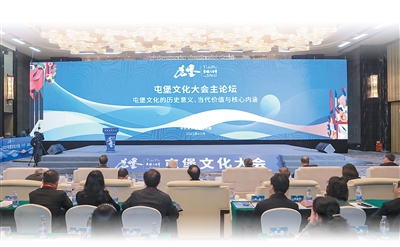
汇聚跨界智慧 激发屯堡文化时代价值 ——2025屯堡文化大会发言摘登
Ren Min Ri Bao· 2025-11-27 22:11
Core Insights - The article emphasizes the significance of Tunbao culture as a unique historical and cultural phenomenon that reflects the integration of various ethnicities and the maintenance of national unity in China [1][3][10]. Summary by Sections Historical Context - Tunbao culture originated in the early Ming Dynasty when a large number of soldiers and their families settled in Guizhou, leading to a unique cultural blend of Central Plains and local influences [1][3]. - The establishment of the Wei Suo system during the Ming Dynasty played a crucial role in the development of Tunbao culture, providing both military and administrative functions [4][8]. Cultural Significance - Tunbao culture is characterized by its core values rooted in Confucian ethics, showcasing the openness, absorptive capacity, and innovativeness of Guizhou culture [2]. - It serves as a living testament to the historical interactions among different ethnic groups, promoting cultural diversity and harmony [3][10]. Contemporary Relevance - The Guizhou provincial government is actively promoting Tunbao culture through various initiatives aimed at enhancing cultural confidence and supporting socio-economic development [1]. - The "Tunbao: Home and Country for 600 Years" cultural conference highlights the contemporary value and historical significance of Tunbao culture, attracting cultural experts to discuss its implications [1][14]. Preservation and Innovation - There is a strong emphasis on the need to protect and revitalize Tunbao culture, integrating it with modern artistic expressions and community engagement [5][11]. - The involvement of younger generations in storytelling and cultural transmission is seen as vital for keeping the culture alive and relevant [6][9]. Tourism and Education - The introduction of educational travel routes connecting key Tunbao cultural sites aims to enhance public understanding and appreciation of this rich cultural heritage [14][15]. - The publication of works that combine visual storytelling with academic insights seeks to broaden awareness of Tunbao culture beyond local boundaries [15][17].