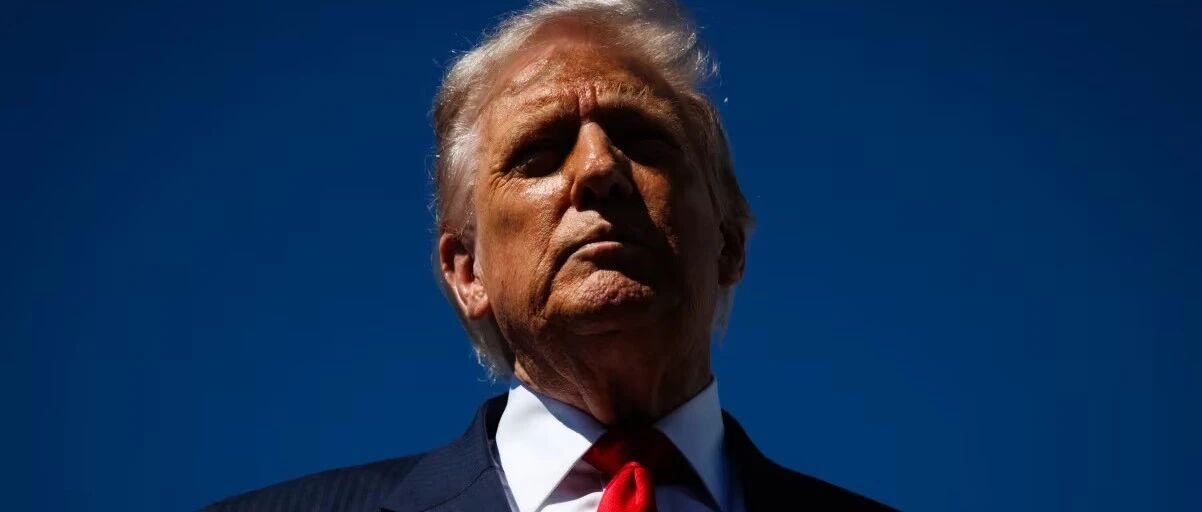
宗教冲突

Search documents
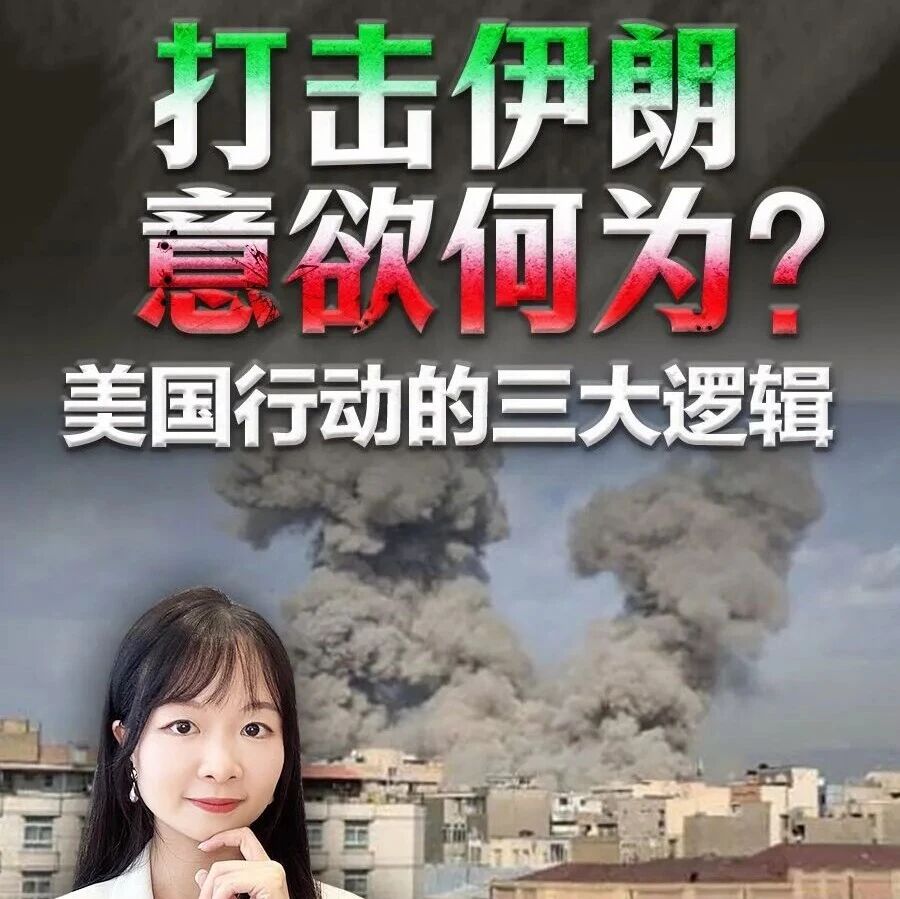
打击伊朗意欲何为?美国行动的三大逻辑
21世纪经济报道· 2026-03-04 05:10
Group 1 - The core viewpoint of the article highlights that the recent U.S. actions against Iran signify a complex interplay of regional security crises and an upgraded religious conflict, indicating a shift in international order post-World War II [1] - The article outlines a timeline of events, starting from the U.S. and Israeli airstrikes on Iran on February 28, leading to the assassination of key Iranian leaders, which escalated tensions rapidly within four days [1] - It emphasizes that the U.S. has not truly withdrawn from the Middle East but is instead consolidating its strategic foothold as part of its offshore balancing strategy, which involves supporting regional powers like Israel [2] Group 2 - The article discusses the implications of the U.S. strategy of "offshore balancing," suggesting that the U.S. aims to maintain regional power equilibrium without engaging in prolonged military conflicts [2] - It raises concerns about the potential risks to international order, noting that the U.S. is undermining established global norms and agreements, which could lead to a fear-based international system characterized by a "jungle world" [3] - The article concludes that the U.S.-Iran conflict may be a signal of broader changes in the international order, reflecting a shift towards a more chaotic geopolitical landscape [3]

特朗普突发威胁!可能出兵尼日利亚
Zhong Guo Ji Jin Bao· 2025-11-02 21:53
Group 1 - Trump has threatened military action against Nigeria if the government does not stop Islamic militants from killing Christians, indicating a potential shift in U.S. foreign policy towards Nigeria [1][3] - Nigeria has been designated as a "Country of Particular Concern" by Trump due to concerns over the safety of Christians, highlighting the religious tensions within the country [2] - The Nigerian government, led by President Bola Ahmed Tinubu, has refuted Trump's claims, asserting that efforts have been made to ensure religious freedom for all citizens [2] Group 2 - The ongoing violence in Nigeria, particularly from groups like Boko Haram, has escalated over the past decade, with significant attacks on Christian communities [2][3] - Boko Haram's activities, including the abduction of schoolgirls, have drawn international attention and have been a major factor in the country's security challenges [2] - The U.S. has provided approximately $550 million in aid to Nigeria this year, down from $880 million last year, indicating a reliance on U.S. support for Nigeria's security framework [4] Group 3 - Analysts suggest that a disruption or cessation of U.S. aid could weaken Nigeria's security architecture and exacerbate the already precarious security situation, impacting investor confidence [4]
特朗普突发威胁
中国基金报· 2025-11-02 16:13
Core Viewpoint - The article discusses President Trump's threat to take military action against Islamic militants in Nigeria if the Nigerian government does not stop the violence against Christians, highlighting the geopolitical implications and the potential impact on U.S. aid to Nigeria [2][5]. Group 1: U.S. Military Threat and Aid - Trump has ordered the Pentagon to prepare for possible military action against Islamic militants in Nigeria, threatening to halt U.S. aid if the violence against Christians continues [2][5]. - The U.S. provided approximately $550 million in aid to Nigeria this year, down from about $880 million last year, indicating a significant reliance on U.S. support for Nigeria's security [6]. Group 2: Nigeria's Internal Conflict - Nigeria, with a population of about 237 million, has a roughly equal distribution of Muslims and Christians, with violence against Christians escalating due to groups like Boko Haram [4]. - Boko Haram has been responsible for numerous attacks, including the infamous kidnapping of 276 schoolgirls in Chibok in 2014, which drew international attention [4]. Group 3: Economic Implications - Analysts suggest that Nigeria's economy heavily relies on U.S. aid and military cooperation to address security issues, and any disruption in this support could weaken Nigeria's security framework and investor confidence [6].