定制化技术解决方案

Search documents
定向物联网网卡技术解析:新疆某地应急广播系统的 “抗逆传输核心”
Sou Hu Cai Jing· 2025-09-29 07:05
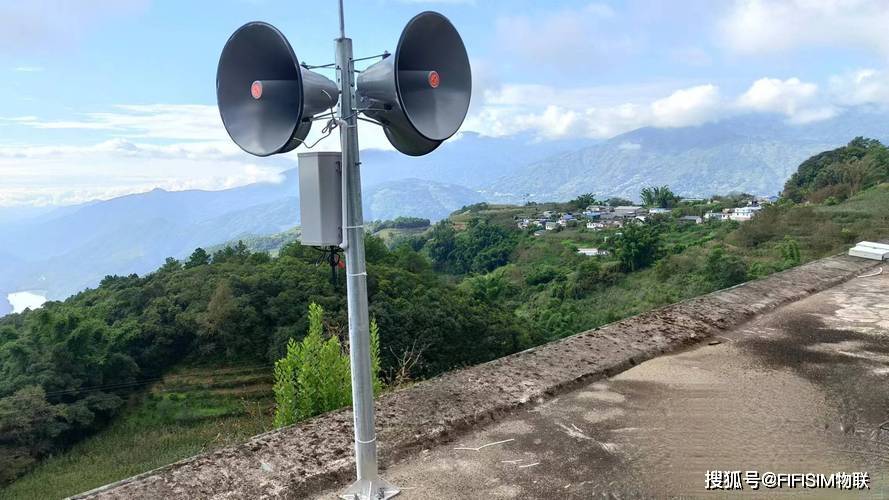
Core Viewpoint - The upgrade of the emergency broadcasting system in a certain county in northern Xinjiang is not merely a "device replacement" but a "customized technical solution" tailored to the region's unique geographical and climatic conditions [1] Group 1: Hardware Technology - The hardware features industrial-grade packaging and materials, low-power management, multi-band and multi-operator support, and lightweight transmission protocols [4] - The system is designed to withstand extreme conditions, including temperatures from -40°C to 40°C and wind speeds of 15 m/s, with a failure rate controlled below 5% [5] - The equipment uses IP68 dust and water-resistant design, with a 316L stainless steel shell and thermal silicone filling to prevent freezing at low temperatures [6] Group 2: Communication Technology - The system supports multi-network redundancy for wide-area coverage, compatible with all three major operators across various frequency bands [6] - It features a lightweight IoT protocol (MQTT-SN) that minimizes data packet size, allowing for efficient emergency information transmission [6] - The system can switch to backup networks within one second during base station failures, improving transmission reliability from 65% to 99.9% [6] Group 3: Software Technology - The system employs a whitelist mechanism for access control, allowing only designated emergency communication, reducing non-emergency traffic from 40% to 1.5% [6] - Remote monitoring capabilities enable real-time status checks of the network card, allowing for 90% of faults to be addressed remotely [6] - The system supports batch firmware upgrades via over-the-air (OTA) downloads, facilitating future functionality expansion without physical device disassembly [6] Group 4: Performance Comparison - The directional IoT network card significantly outperforms traditional devices in terms of weather resistance, coverage, and reliability [9] - Key performance metrics include a temperature range of -40°C to 70°C, a coverage radius of 5-8 km in pastoral areas, and a disaster endurance of over 72 hours [7] Group 5: Future Developments - The introduction of AI algorithms for frequency optimization is expected to enhance coverage efficiency by an additional 10% [11] - The system will support multi-modal transmission of emergency information, including voice, text, and images, for more intuitive communication during disasters [11] - The integration of edge computing modules will allow local decision-making on whether to broadcast alerts, reducing unnecessary transmissions [11] Group 6: Supplier Commitment - FIFISIM IoT, as the core supplier of the directional IoT network card, will continue to invest in R&D to develop more suitable technical solutions for emergency scenarios in remote areas [13]