实力

Search documents
牛弹琴:现在,只是时间问题了
Xin Lang Cai Jing· 2026-02-24 23:57
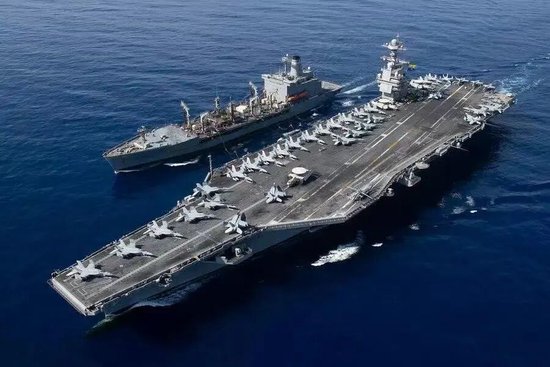
Group 1 - The situation regarding potential military action against Iran is seen as a matter of time, with significant U.S. military presence in the Middle East, including two aircraft carriers and various military aircraft deployed [31][32][31] - Trump is concerned about appearing weak on the global stage, which drives his desire for Iran to capitulate to U.S. demands, including the abandonment of its nuclear program [5][34][35] - Iran's leadership is determined to resist U.S. pressure, understanding that full capitulation could lead to their downfall, drawing parallels to the fate of Gaddafi [6][35][6] Group 2 - The likelihood of military action is increasing, as both Iran and the U.S. feel they cannot afford to back down, with Iran's military on high alert and contingency plans in place [8][37] - Trump's rationale for potential military action has shifted over time, from punishing Iran for domestic repression to addressing its nuclear program and possibly regime change [38][9][38] - The U.S. military's opposition to conflict is noted, with concerns about the risks of prolonged engagement and the historical costs of military interventions in the region [46][44][46] Group 3 - The decision to engage in military action hinges on cost considerations, as Iran's size and strategic depth present significant challenges [40][40] - Airstrikes may not be sufficient to achieve U.S. objectives, as they could unify Iranian nationalism and fail to topple the regime without ground forces, which would incur heavy casualties [42][43][44] - Trump's indecision reflects the complexities of weighing military action against potential costs and consequences, with suggestions of a phased approach to conflict [48][49][48] Group 4 - The underlying issue remains one of power dynamics, encompassing military, economic, and technological strengths, as well as the resolve to fight [22][23][22] - Iran, while a significant regional power, faces stark disadvantages against the military capabilities of the U.S. and Israel, leading to vulnerabilities that could be exploited [25][26][25] - The current geopolitical landscape is characterized by a struggle for dominance, with the potential for a new conflict emerging as tensions escalate [28][26][28]