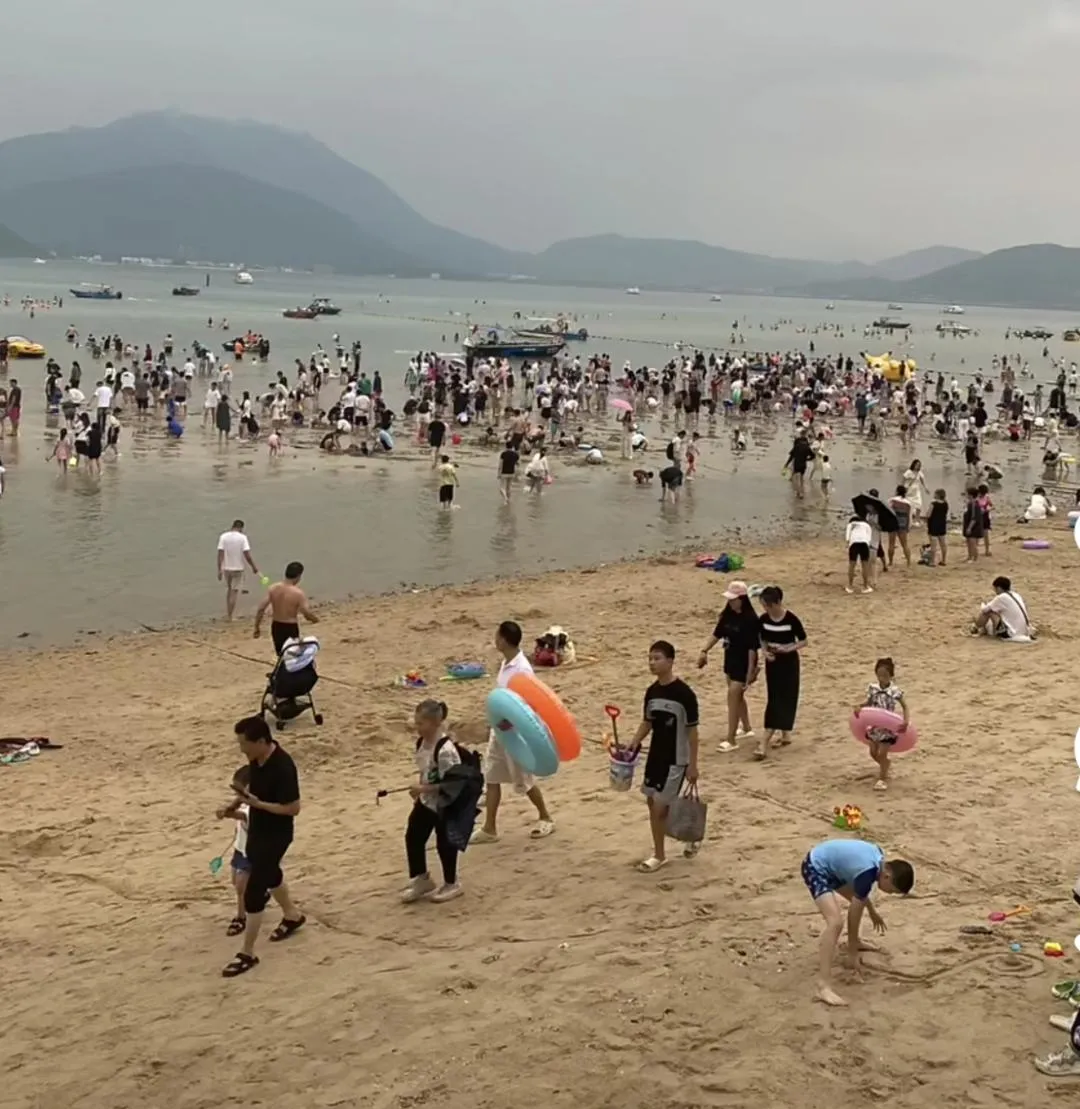
宠客式赶海

Search documents
“宠客式”赶海火了!究竟是“福”还是“祸”?
Yang Guang Wang· 2025-09-19 00:53
Core Viewpoint - The rise of "catching sea" activities, originally a survival method for coastal residents, has transformed into a commercialized trend driven by social media, raising concerns about ecological sustainability and the impact on marine life [1][3][20] Group 1: Commercialization and Impact - The trend has led to businesses actively providing seafood for tourists, often using non-native species, which poses risks to local ecosystems [3][4] - Some businesses engage in practices that mislead tourists about the nature of the seafood they are catching, as many are not wild but rather farmed species [3][6] - The introduction of invasive species, such as certain fish, can disrupt local marine populations and threaten the livelihoods of local fishermen [4][6] Group 2: Ecological Concerns - Experts warn that the current practices of "catching sea" do not align with scientifically managed methods of increasing marine resources, leading to potential ecological imbalances [6][10] - The use of certain fishing gear, like "trap nets," is illegal in many areas and poses a threat to sustainable fishing practices [10][13] - Observations indicate that the popularity of these activities is leading to changes in marine biodiversity, with smaller and fewer species being found closer to shore [13][15] Group 3: Educational and Ethical Considerations - The original intent of "catching sea" as a way to connect with nature is being overshadowed by a focus on guaranteed results, which diminishes the educational value of the experience [15][18] - There is a call for a return to respecting natural ecosystems, emphasizing the importance of sustainable practices and environmental education [18][20] - Future regulations should include assessments of environmental capacity and sustainable harvesting limits to ensure the activity does not harm marine life [20]