宠物医疗普惠化

Search documents
宠命金贵!宠物医院却难赚钱
Shen Zhen Shang Bao· 2026-01-08 17:59
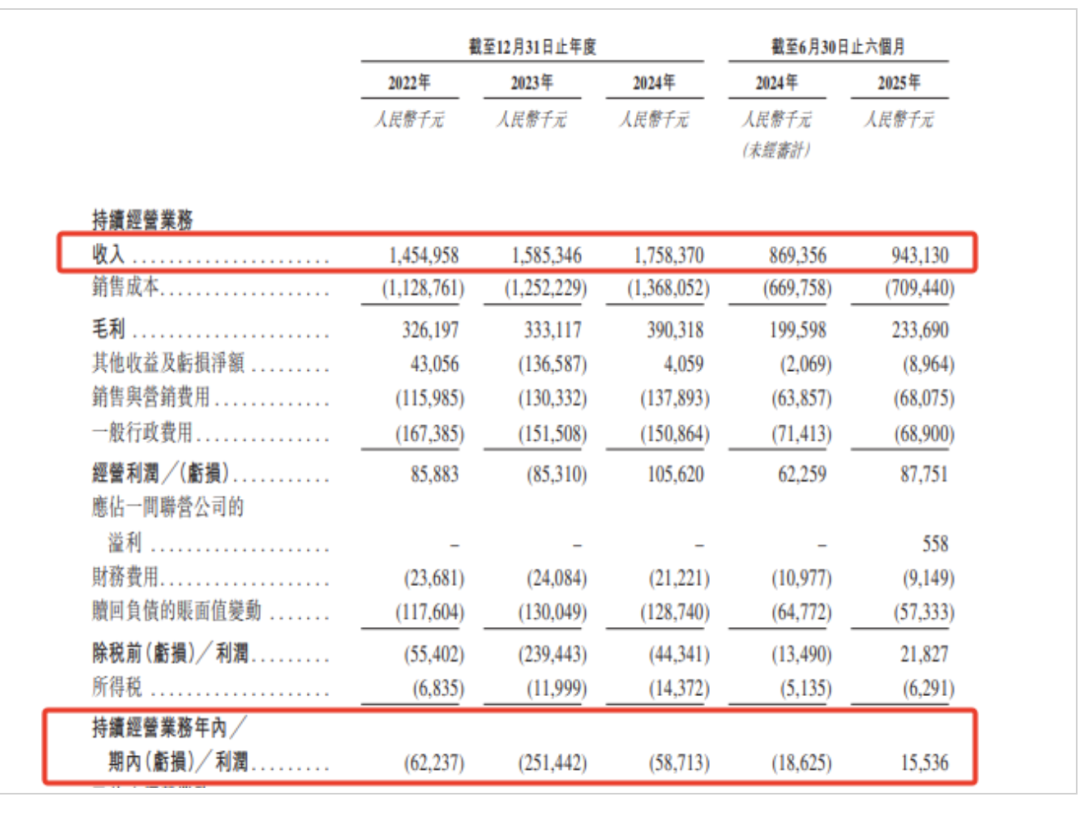
Core Viewpoint - The pet medical industry in China faces a structural dilemma of high costs and low profitability, despite the increasing demand for pet healthcare services [4][8][9]. Group 1: Industry Overview - The average cost of a single pet consultation in China exceeds 2000 yuan, with treatment for common diseases often costing thousands, and serious conditions potentially exceeding 10,000 yuan [7]. - The pet medical market is projected to grow significantly, with over 120 million pet dogs and cats expected in urban areas by 2024, leading to a market size exceeding 300 billion yuan [5]. - The industry is characterized by a low concentration of providers, with over 30,000 pet hospitals in China, and the top five chains holding only 6.5% of the total number of hospitals [7]. Group 2: Company Insights - Ruipai Pet Hospital Management Co., Ltd. has submitted an application for listing on the Hong Kong Stock Exchange, aiming to become the first publicly listed pet medical company in China, with expected revenues exceeding 1.7 billion yuan in 2024 [4]. - Despite high revenues, Ruipai reported net losses of 62 million yuan, 251 million yuan, and 59 million yuan from 2022 to 2024, only achieving a profit of approximately 15.54 million yuan in the first half of 2025 [7]. Group 3: Challenges in the Industry - The pet medical sector is hindered by high fixed costs, weak payment leverage, and a lack of standardized services, leading to a persistent profitability challenge [8][10]. - The penetration rate of pet insurance in China is only 22%, significantly lower than in developed markets like the U.S. and Australia, which hampers the financial viability of pet healthcare [10]. - The industry relies heavily on specialized veterinarians, with their salaries being high but the number of patients they can see daily being much lower than in human healthcare, affecting overall efficiency and profitability [7][10]. Group 4: Recommendations for Improvement - To achieve a more equitable pet medical system, the industry must address issues such as payment leverage, equipment utilization, and transparency in pricing and services [12]. - Proposed solutions include establishing insurance mechanisms that connect directly to hospitals, improving the utilization of medical equipment, and creating standardized treatment protocols to enhance service delivery [12].


“毛孩子”看病账单刺痛铲屎官,“瑞派们”却还在挣扎盈亏线?
Shen Zhen Shang Bao· 2025-12-31 14:24
Core Viewpoint - The pet medical industry in China is facing significant challenges despite high demand, with costs rising and profitability remaining elusive for major players like Ruipai Pet Hospital Management Co., Ltd. [1][4][12] Industry Overview - The pet medical sector is characterized by a large and fragmented market, with over 30,000 pet hospitals in China, yet the top five chains only account for 6.5% of the total number of hospitals [8] - The market for pet dogs and cats in urban China is projected to exceed 300 billion yuan by 2024, with the number of pets surpassing 120 million [3][10] Financial Performance - Ruipai's financial data indicates net losses of 62 million yuan in 2022, 251 million yuan in 2023, and an expected loss of 59 million yuan in 2024, with a modest profit of approximately 15.54 million yuan anticipated in the first half of 2025 [4][8] - The average cost of a single veterinary visit in mainland China exceeds 2,000 yuan, with treatment for common conditions often costing several thousand yuan [4][10] Market Dynamics - The aging pet population is a critical factor, with over 30 million pets entering middle age by 2024, leading to increased reliance on vaccines, health products, and chronic disease management [3][12] - The lack of pet insurance penetration in China, at only 22%, compared to over 50% in developed markets, exacerbates the financial burden on pet owners [10][18] Challenges in Profitability - The industry faces structural challenges, including high fixed costs, weak payment leverage, and difficulties in standardizing services, which hinder profitability despite high service prices [9][12][21] - The reliance on single business lines for revenue, coupled with high labor costs and low equipment utilization, contributes to the financial struggles of pet hospitals [12][20] Recommendations for Improvement - To promote healthy development in the pet medical industry, efforts should focus on enhancing payment systems, improving supply chains, increasing talent availability, and establishing regulatory frameworks [21][22] - Implementing insurance leverage, community-based services, and standardized treatment protocols could help reduce costs and improve access to pet healthcare [21][22]