小城慢生活

Search documents
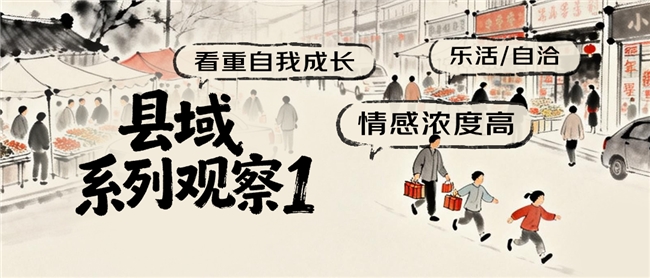
京东县域生活观察1:县城生活新貌 “乐活”/“自洽”、情感浓度高、看重自我成长
Sou Hu Wang· 2026-03-04 10:28
Core Insights - The trend of urban residents moving to small counties is gaining popularity, with a significant increase in travel and hotel bookings in these areas during holidays, indicating a shift in lifestyle preferences [2][3] Group 1: Travel and Lifestyle Changes - During the 2025 Spring Festival, 35.8% of urban residents chose to travel to small counties for the holiday, while 69% of county-born individuals returned to their hometowns [2][3] - Over 76.1% of returning residents stayed for more than five days, experiencing a "deep return" to their roots, with many expressing a desire to relocate back permanently [3][6] - The appeal of county life is attributed to fresh local markets, a slower pace of life, and a relaxed atmosphere, with 53.4% enjoying local markets and 51.8% appreciating the leisurely lifestyle [3][6] Group 2: Economic and Social Dynamics - County residents exhibit a strong sense of self-identity, with 77.9% feeling "happy" or "self-consistent," and 35% rating their life satisfaction at 9-10 out of 10, surpassing urban counterparts [4][10] - Economic stability is evident, with 41.3% of residents reporting a surplus in their finances, and 36.3% having no debts, indicating a lower financial burden compared to urban areas [4][14] - The social fabric in counties is characterized by high emotional connectivity, with over 51.7% having stable social circles and 59.3% dining with family weekly, contributing to a higher sense of happiness [16][18] Group 3: Consumer Behavior and Self-Improvement - There is a notable shift in consumer behavior, with 49.5% of residents observing an increase in available products and services in their hometowns, reflecting a growing market [8][13] - Nearly 90% of county residents prioritize self-improvement, with 43% investing in personal development over the past year, focusing on practical skills and health [19][20] - Families place significant importance on child-rearing expenses, with 88.5% of households considering it a major financial commitment, emphasizing the value placed on education and development [22][23]