小行星撞击

Search documents
倾听陨石撞击的“回声”(唠“科”)
Ren Min Ri Bao· 2025-11-28 22:00
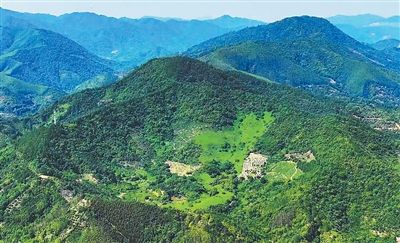
Core Insights - The discovery of the Jinlin meteorite crater in Zhaoqing, Guangdong, is significant as it is the largest Holocene meteorite crater identified on Earth, indicating a major extraterrestrial impact event [1][2] Group 1: Meteorite Crater Characteristics - The Jinlin crater has a diameter of approximately 900 meters, formed by a 30-meter diameter asteroid impacting at an average speed of 20 kilometers per second, releasing energy equivalent to 600,000 tons of TNT [1] - The impact would have caused destruction within a 15-kilometer radius and generated strong seismic waves affecting the surrounding geological environment [1] Group 2: Meteorite Crater Formation and Preservation - Earth has over 200 confirmed meteorite craters, while the Moon has millions of identifiable craters over 1 kilometer in diameter due to differing geological activity [2] - Geological activity on Earth leads to the erosion and destruction of craters over time, while the Moon's geological activity ceased around 3 billion years ago, allowing craters to be preserved [2] - The preservation of craters varies by region; southern China, being warmer and more humid, experiences stronger weathering, making crater preservation more challenging [2] Group 3: Scientific Importance of Meteorite Craters - Meteorite craters are valuable for scientific research, potentially providing insights into historical environmental changes and events such as the extinction of dinosaurs [3] - The study of meteorite craters can also aid in understanding Earth's deep material structure and facilitate extraterrestrial exploration [3]