居民医保筹资标准

Search documents
多地启动新一年居民医保征缴
第一财经· 2025-10-13 10:33
Core Viewpoint - The article discusses the initiation of the 2026 Urban and Rural Residents Basic Medical Insurance (URRBMI) premium collection, highlighting that the minimum personal contribution remains unchanged at 400 yuan, with total funding rising to 1100 yuan due to government subsidies. This marks the first time since the establishment of the URRBMI that personal contribution standards have not increased, reflecting the economic purchasing power of participants [3][5][9]. Summary by Sections - The 2026 minimum premium for URRBMI is set at 400 yuan, with government subsidies bringing the total funding to at least 1100 yuan per person. This decision aligns with the stagnation of wage growth and economic conditions [3][5]. - Various provinces, including Henan, Guizhou, and Hunan, have announced their URRBMI premium standards, with many regions following suit. The official documents confirm that the personal contribution will remain at 400 yuan, with a minimum government subsidy of 700 yuan per person [4][5]. - The annual documents from the National Medical Insurance Bureau, Ministry of Finance, and State Taxation Administration set the funding standards, with the 2025 document determining the 2026 standards. The government aims to maintain a balance between fund income and expenditure [5][7]. - Different regions may adjust their premium standards based on local economic conditions. For instance, Suzhou has increased its subsidy by 90 yuan per person, while other areas maintain the minimum standard [7][8]. - The article notes that despite low premiums, the willingness to enroll in URRBMI is influenced by broader economic trends. Keeping premiums stable helps maintain participation rates [8]. - Local governments are implementing innovative measures to facilitate premium payments, such as allowing family members to pay using personal medical accounts and waiving fees for newborns in certain conditions [9]. - The halt in premium increases is projected to reduce the URRBMI fund's income by approximately 20 billion yuan, but this is considered a minor impact relative to the total annual fund expenditure of nearly 3 trillion yuan [9].

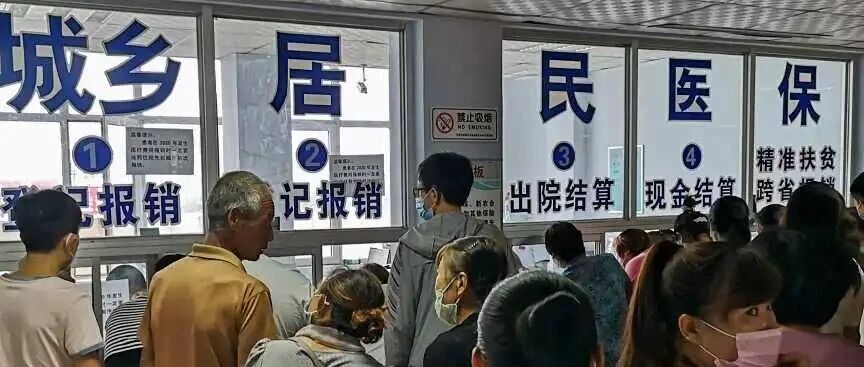
多地启动新一年居民医保征缴,个人缴费维持400元不变
Di Yi Cai Jing· 2025-10-13 09:35
Core Points - The personal payment standard for urban and rural residents' basic medical insurance (residents' medical insurance) will remain unchanged at 400 yuan for the first time since the establishment of the system, with total funding rising to 1100 yuan per person due to government subsidies [1][2] - The decision to freeze the payment standard aligns with the slowing growth of wages and income, reflecting the economic purchasing power of insured individuals [1][3] - Various provinces, including Henan, Guizhou, and Hunan, have announced their payment standards, with many regions adopting the minimum standard set by the central government [1][2] Funding Structure - The funding for residents' medical insurance consists of two parts: personal payments and government subsidies, with the latter determined at the beginning of the year [2][3] - The central government has increased the average subsidy per person to no less than 700 yuan for 2025, which is a 30 yuan increase from the previous year [3] Regional Variations - Different regions may adjust their payment standards based on local economic conditions, with some areas implementing higher standards than the minimum [7] - For example, Suzhou has raised its subsidy by 90 yuan per person, while other cities like Zhanjiang and Zhongshan have maintained their payment standards at 400 yuan and 809.76 yuan, respectively [7] Payment Innovations - Some provinces are introducing new payment channels, such as allowing employees to use their personal medical accounts to pay for family members' insurance [8] - In Hunan, newborns whose parents are insured will be exempt from the 2026 insurance fee, ensuring coverage from birth [8] Impact on Medical Institutions - The freeze on personal payments is expected to reduce the insurance fund's income by approximately 20 billion yuan, but this amount is relatively small compared to the total annual medical insurance fund expenditure of nearly 3 trillion yuan [8]