屯垦戍边

Search documents
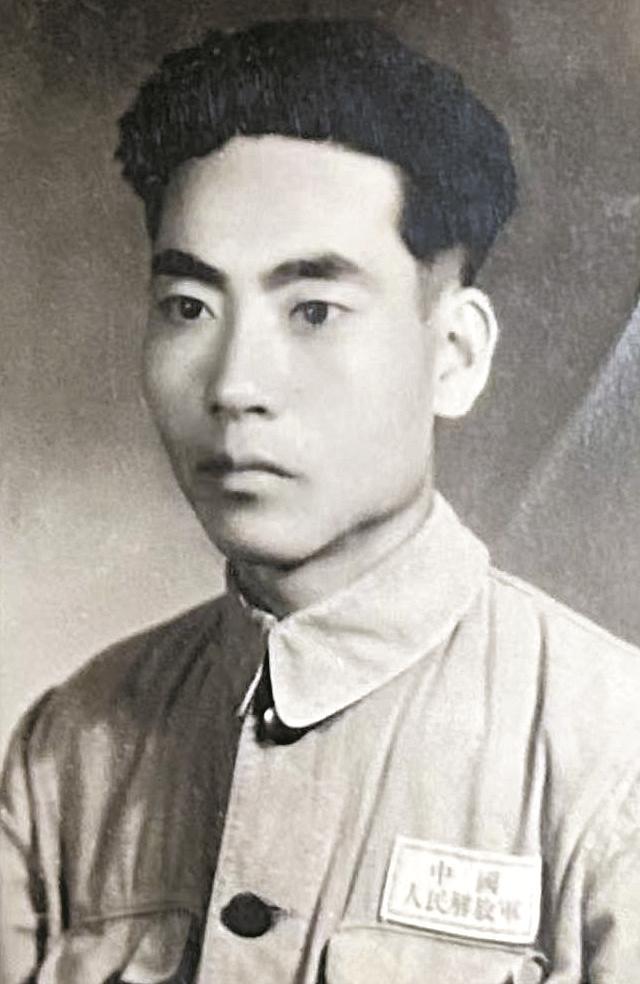
勋章无言 岁月有声
Xin Lang Cai Jing· 2026-02-26 19:41
Core Viewpoint - The article narrates the life story of Zhang Junyi, a 98-year-old veteran who served in the military during significant historical events in China, highlighting his dedication and experiences during the war and his later life in Xinjiang [4][5][6][8]. Group 1: Early Life and Military Service - Zhang Junyi joined the army at the age of 17 without informing his family, driven by a strong desire to serve [4][5]. - He participated in the liberation of major cities like Tianjin and Taiyuan during the Chinese Civil War, often enduring harsh conditions and long marches [5][6]. - His experiences in the Korean War were marked by extreme cold and the constant threat of enemy fire, which he recounted with a focus on the camaraderie among soldiers [6][7]. Group 2: Life in Xinjiang - In 1962, Zhang responded to a national call and moved to Shihezi, Xinjiang, as part of a military settlement initiative [8][9]. - He faced challenging living conditions, including food shortages, while working in various military and administrative roles [10]. - After retiring in 1983, he dedicated his time to caring for his family, especially his ailing wife, showcasing his nurturing side [10]. Group 3: Legacy and Family - Zhang's daughter, Zhang Shuyuan, takes pride in her father's legacy, emphasizing the importance of appreciating the current peaceful life [11][12]. - The family maintains a collection of Zhang's medals and photographs, which serve as a testament to his contributions and experiences [11][12]. - Zhang's name is honored in a museum, reflecting the recognition of his and other veterans' sacrifices [11].

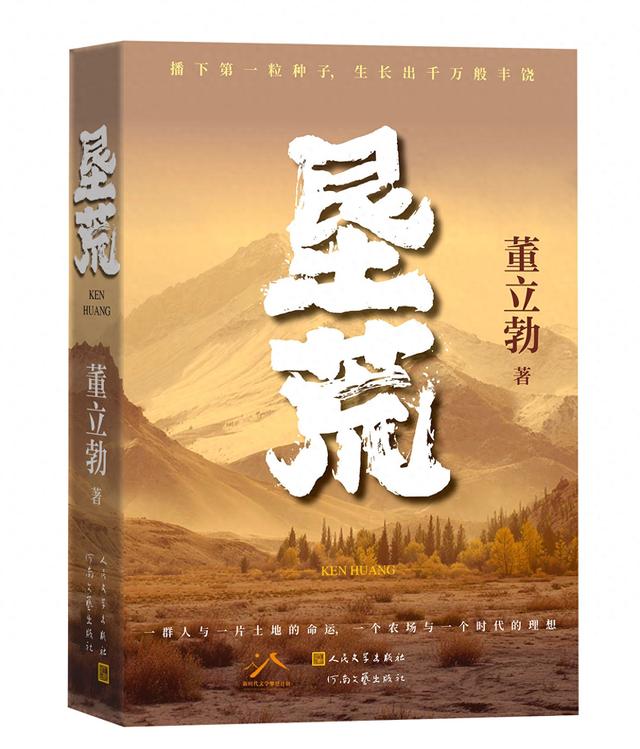
《垦荒》书写新疆从荒芜到丰饶 展现“改天换地”的时代精神
Xin Lang Cai Jing· 2026-02-01 07:59
Core Viewpoint - The novel "Land Reclamation" reflects on the historical transformation of Xinjiang from desolation to prosperity, capturing the spirit and experiences of the pioneers who contributed to this change [3][4]. Group 1: Historical Context - The book is set in the early years of New China, highlighting the efforts of numerous builders who responded to the national call to develop Xinjiang, turning barren land into fertile oasis [3]. - The author, Dong Libo, has a personal connection to the region, having moved to Xinjiang in 1958, and his experiences inform the narrative of the novel [3][4]. Group 2: Narrative Structure and Themes - "Land Reclamation" features multiple protagonists, showcasing their collective experiences, struggles, and relationships against the backdrop of land reclamation [3][4]. - The narrative employs a dual-line structure, intertwining personal memories with broader historical narratives, enhancing the depth and relatability of the story [5]. Group 3: Author's Background and Influence - Dong Libo's deep emotional connection to the land is evident, as he draws from his own life experiences, including his time working on a farm and the influence of key teachers in his life [4]. - The novel's unique value lies in its ability to merge personal and national memories, providing a rich tapestry of individual and collective histories [5].
播下第一粒种子,生长出千万般丰饶,董立勃长篇新作《垦荒》面世
Xin Lang Cai Jing· 2026-02-01 04:53
Core Viewpoint - The novel "Land Reclamation" reflects on the historical transformation of Xinjiang from desolation to prosperity, capturing the spirit of the builders who contributed to this change [3][5]. Group 1: Historical Context - The book explores the significant historical narrative of land reclamation in Xinjiang, tracing back to the establishment of the Western Regions Protectorate during the Han Dynasty and continuing through various historical periods, including the establishment of the Xinjiang Production and Construction Corps after the founding of New China [5]. - The author, Dong Libo, draws from personal experiences and memories of living in Xinjiang, where he witnessed the hardships and transformations of the land [4]. Group 2: Literary Structure and Themes - "Land Reclamation" employs a dual narrative structure, with one part reflecting on the historical context of land reclamation through the eyes of historian Liu Lidong, while the other part narrates the personal stories of the author's family and peers in a chronological manner [4]. - The novel features multiple protagonists, representing a collective memory of youth, labor, and camaraderie, highlighting the emotional and social dynamics of life in the reclamation process [3][4]. Group 3: Cultural Significance - The book serves as a bridge between personal and national memory, showcasing the resilience and spirit of ordinary people who contributed to the transformation of Xinjiang [4][5]. - The contemporary cities emerging from the reclamation efforts, such as Huyanghe City and Kekedala City, are seen as modern embodiments of the reclamation spirit [5].