山寨明星产业链

Search documents
杨坤状告“四川芬达”,模仿明星的法律底线在哪
Xin Jing Bao· 2025-04-03 06:20
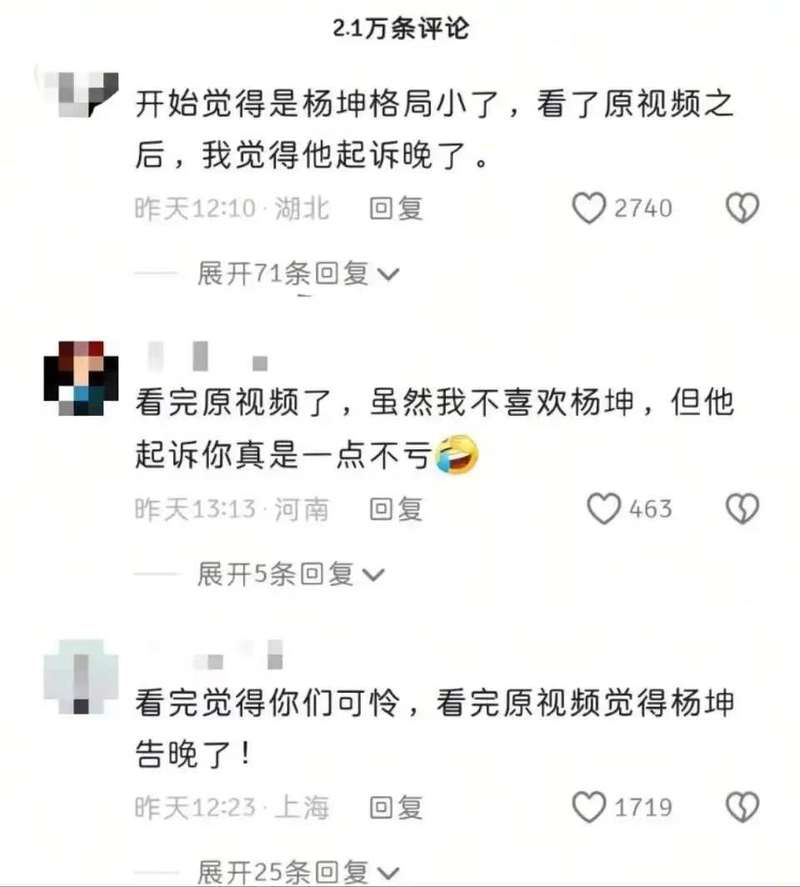
Core Viewpoint - The lawsuit filed by the celebrity Yang Kun against the imitators "Sichuan Fanta" raises significant discussions about the boundaries between imitation and infringement in the context of internet culture and self-media [1][2][9] Group 1: Legal Context and Implications - The lawsuit involves a claim for the immediate removal of videos that allegedly infringe on Yang Kun's reputation, along with a public apology and compensation for emotional damages [1] - Legal experts indicate that the exaggerated imitation by "Sichuan Fanta" could constitute infringement, as it may confuse the public regarding Yang Kun's identity and reputation [9][13] - The case highlights a growing trend of similar disputes between celebrities and imitators, as self-media platforms allow for monetization through imitation, often crossing legal boundaries [2][6][8] Group 2: Industry Trends and Reactions - The rise of self-media has led to an increase in imitators who often push the limits of acceptable parody, which can result in negative consequences for both the original artists and the imitators [2][7] - "Sichuan Fanta" has seen a significant increase in followers, from 360,000 to 860,000, following the lawsuit, indicating that controversy can drive traffic and engagement [8] - The imitation industry has evolved, with imitators now having multiple revenue streams, including live streaming and merchandise, which can rival that of minor celebrities [7] Group 3: Public and Fan Reactions - Fans of Yang Kun express outrage over the lowbrow and exaggerated nature of "Sichuan Fanta's" content, viewing it as an insult rather than harmless parody [5][6] - Some fans argue that allowing such imitations to go unchecked could set a dangerous precedent, potentially harming not only celebrities but also ordinary individuals [5][6] - The public's mixed reactions reflect a broader debate about the ethics of imitation and the responsibilities of content creators in the digital age [2][5]