市井烟火气

Search documents
干面胡同:面香藏古韵,巷陌记流年(北京胡同时光叙事之二十四)
Xin Lang Cai Jing· 2026-02-18 03:55
Core Viewpoint - The history of Ganmian Hutong reflects the daily life and culture of ordinary Beijing citizens, showcasing its evolution from a bustling marketplace to a symbol of resilience and community spirit over centuries [10][11]. Historical Development - Ganmian Hutong, established during the Ming Dynasty, became known for its numerous dry noodle shops, which catered to the growing population in Beijing [1][2]. - The name "Ganmian Hutong" originated from the prevalence of dry noodle shops that offered convenient and popular food options for locals [2]. - During the Ming Dynasty, the hutong was a vibrant area with various shops and residences, including officials and literati, contributing to its lively atmosphere [3]. - The Qing Dynasty saw a revival of Ganmian Hutong, with the introduction of more refined noodle varieties and a mix of cultures as it became home to both Han officials and Manchu merchants [4]. - The hutong faced decline during the Opium War and subsequent conflicts, leading to destruction and a loss of its vibrant character [7]. - The Republic of China period brought a slight revival, with some residents returning and small businesses reopening, although the area still faced challenges [8]. Cultural Significance - Notable figures such as the painter Zheng Banqiao and writer Lao She frequented Ganmian Hutong, contributing to its cultural legacy through their works and interactions with local businesses [5][8]. - The hutong served as a cultural hub where artists and writers gathered, fostering a rich exchange of ideas and creativity [4][8]. Modern Era - After the establishment of the People's Republic of China in 1949, efforts were made to restore the hutong, improving living conditions and reviving its community spirit [9]. - In 1965, the official naming and consolidation of the hutong helped preserve its identity and expand its significance within the city [9]. - Today, Ganmian Hutong stands as a testament to the enduring spirit of Beijing's cultural heritage, attracting visitors to experience its unique charm and historical narratives [12].
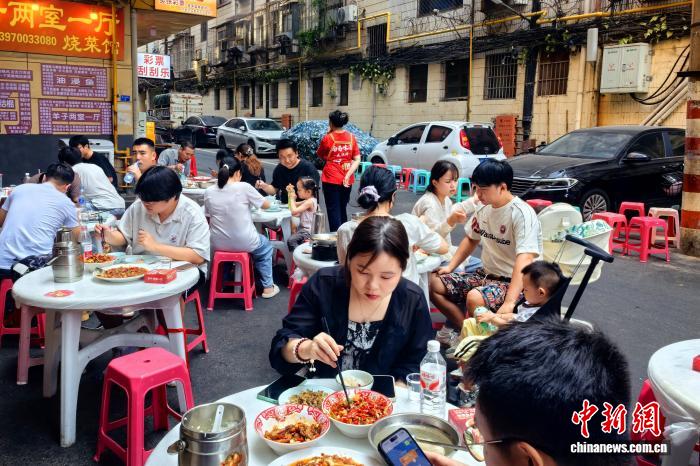
年轻人钟情市井“烟火气” 街巷小店焕新机
Zhong Guo Xin Wen Wang· 2025-10-12 08:06
Core Insights - The travel preferences of young people are shifting towards local street food and authentic experiences, moving away from traditional tourist attractions [1][3][4] - Street vendors and small shops are becoming popular destinations for young travelers seeking genuine local culture and community connection [3][4] Group 1: Changing Travel Trends - Young travelers are increasingly favoring "smoky atmosphere" locations over popular tourist spots, as they seek authentic experiences [1][3] - Tourists are now prioritizing local food experiences, with many opting to explore neighborhoods and local eateries to understand the city's true essence [3] Group 2: Economic Impact - During the recent National Day and Mid-Autumn Festival holidays, small food shops experienced a surge in demand, with some selling over a thousand servings in a single day [3] - Data from Dazhong Dianping indicates a significant increase in traffic for local food rankings during the holidays, leading to a rise in orders for featured small shops [3] Group 3: Urban Development Initiatives - Various cities are promoting the development of street food and small shops to cater to the changing preferences of young consumers [4] - Initiatives include creating immersive experiences in nightlife and enhancing the functionality of street areas to attract more visitors [4] Group 4: Social and Psychological Factors - The trend towards seeking "smoky atmosphere" reflects a deeper search for meaning, social connection, and emotional comfort among young people [4] - Street shops are encouraged to evolve from mere selling points to spaces that foster consumption, social interaction, and emotional connections [4]