年味变迁

Search documents
衣食住行 年味融入热爱与个性
Jie Fang Ri Bao· 2026-02-18 00:40
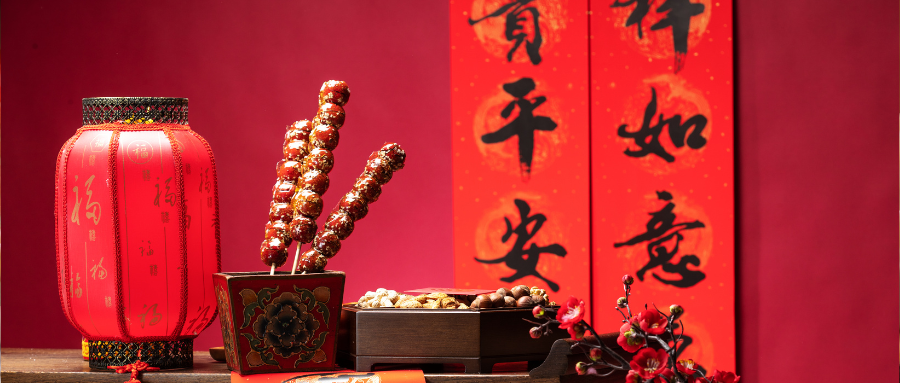
Core Perspective - The essence of the Chinese New Year is evolving, with younger generations incorporating personal interests and modern elements into traditional celebrations, creating a new chapter of "New Year flavor" [2][6]. Group 1: Changes in Clothing - The tradition of wearing new clothes for the New Year persists, but it now includes outfits for pets, reflecting a shift in how young people view family and celebration [3]. - Young consumers are increasingly purchasing custom-made clothing for their pets, indicating a desire for personalized and meaningful expressions of celebration [3]. Group 2: Evolution of Food - Traditional New Year foods are being reinterpreted, with new flavors and presentations emerging, such as character-themed sugar paintings and modern fillings for dumplings [4]. - The presence of both traditional and contemporary food options at celebrations signifies a blend of old and new culinary experiences [4]. Group 3: Transformation of Decorations - Spring couplets, traditionally uniform in their messages, are now personalized with unique designs and phrases that reflect individual interests, particularly in anime and pop culture [4]. - The new forms of spring couplets serve as a medium for self-expression and personal aspirations, moving beyond mere traditional symbols [4]. Group 4: New Forms of Gathering - The concept of reunion during the New Year has diversified, with gatherings now including events like themed fairs and creative workshops, emphasizing community and shared interests [5]. - Young people are seeking connections with like-minded individuals through various cultural and artistic activities, expanding the meaning of "going home" during the New Year [5]. Group 5: Overall Cultural Shift - The New Year flavor has transitioned from a concentrated, traditional experience to a more diffuse and everyday presence in life, deeply rooted in personal engagement and creativity [6]. - Shanghai is highlighted as a vibrant stage for this transformation, showcasing the dynamic nature of cultural celebrations in modern society [7].
我们为什么还在怀念“过去的年”?|大寒特辑
Xin Lang Cai Jing· 2026-01-20 13:44
Core Viewpoint - The essence of the traditional "New Year flavor" has evolved over time, reflecting changes in societal values, family dynamics, and technological advancements, rather than diminishing entirely [9][11]. Group 1: Changes in New Year Celebrations - The anticipation and excitement surrounding the New Year have shifted from material desires, such as new clothes and special foods, to emotional connections and family reunions [11]. - The rapid pace of life and increased population mobility have altered traditional ways of celebrating the New Year, leading to less emphasis on rituals and more on relaxation [7][8]. - The availability of goods and services has diminished the uniqueness of New Year celebrations, as people can now easily access what was once considered special [7][8]. Group 2: Impact of Technology - Technological advancements have transformed how families connect during the New Year, allowing for virtual gatherings and online interactions that transcend geographical barriers [10]. - Digital platforms enable families to maintain traditions, such as sending virtual red envelopes and sharing meals through video calls, thus preserving the emotional essence of the celebrations [10]. - The younger generation may prioritize simpler gatherings over extensive rituals, focusing on the quality of time spent together rather than the quantity of traditions followed [10][11]. Group 3: Emotional Significance - The core of the New Year flavor lies in emotional connections, which remain strong despite changes in celebration forms [11][12]. - The shift from a scarcity mindset to one of abundance has transformed the meaning of New Year celebrations from material satisfaction to emotional fulfillment and family bonding [11]. - The warmth of family reunions and the joy of shared experiences continue to define the New Year flavor, adapting to contemporary contexts while retaining its significance [11][12].