宠物衣服

Search documents
为宠物做“新年战袍”
Xin Lang Cai Jing· 2026-02-23 06:20
Core Insights - The article highlights the emergence of a sewing classroom in Hangzhou that specializes in teaching pet clothing design, catering to a growing market for customized pet apparel [1][2]. Group 1: Business Model and Market Opportunity - The sewing classroom has transitioned from a struggling tailor shop to a profitable venture by focusing on teaching pet clothing design, which has attracted around 70% of participants with clear entrepreneurial intentions [2][4]. - The pet clothing market is characterized by low entry barriers and minimal startup costs, with potential entrepreneurs needing less than 10,000 yuan to start their businesses [2]. - The classroom generates approximately 60,000 yuan in monthly revenue, a significant turnaround from its previous financial struggles [2][4]. Group 2: Market Trends and Consumer Behavior - The pet consumption market in urban areas is projected to grow from 279.3 billion yuan in 2023 to 361.3 billion yuan by 2026, indicating a robust demand for pet-related products [5][6]. - Social media discussions around pet clothing have surged, with the keyword "pet clothing" receiving 310 million views and 3.1 million discussions, reflecting a growing interest in this niche [6]. - Major clothing brands like Nike and Adidas have entered the pet apparel market, further validating the potential of this segment [6]. Group 3: Challenges and Innovations - The sewing classroom initially faced challenges in standardizing clothing alterations, leading to a high rework rate of 20% due to the need for personalized fittings [3][4]. - The shift to teaching pet clothing design was prompted by customer inquiries, leading to the development of a curriculum that addresses the unique needs of pet apparel, which is often not covered in traditional fashion design education [7][8]. - The classroom's approach emphasizes a blend of creativity and practicality, allowing participants to engage in hands-on learning while addressing the specific sizing challenges posed by various pet breeds [7].
衣食住行 年味融入热爱与个性
Jie Fang Ri Bao· 2026-02-18 00:40
Core Perspective - The essence of the Chinese New Year is evolving, with younger generations incorporating personal interests and modern elements into traditional celebrations, creating a new chapter of "New Year flavor" [2][6]. Group 1: Changes in Clothing - The tradition of wearing new clothes for the New Year persists, but it now includes outfits for pets, reflecting a shift in how young people view family and celebration [3]. - Young consumers are increasingly purchasing custom-made clothing for their pets, indicating a desire for personalized and meaningful expressions of celebration [3]. Group 2: Evolution of Food - Traditional New Year foods are being reinterpreted, with new flavors and presentations emerging, such as character-themed sugar paintings and modern fillings for dumplings [4]. - The presence of both traditional and contemporary food options at celebrations signifies a blend of old and new culinary experiences [4]. Group 3: Transformation of Decorations - Spring couplets, traditionally uniform in their messages, are now personalized with unique designs and phrases that reflect individual interests, particularly in anime and pop culture [4]. - The new forms of spring couplets serve as a medium for self-expression and personal aspirations, moving beyond mere traditional symbols [4]. Group 4: New Forms of Gathering - The concept of reunion during the New Year has diversified, with gatherings now including events like themed fairs and creative workshops, emphasizing community and shared interests [5]. - Young people are seeking connections with like-minded individuals through various cultural and artistic activities, expanding the meaning of "going home" during the New Year [5]. Group 5: Overall Cultural Shift - The New Year flavor has transitioned from a concentrated, traditional experience to a more diffuse and everyday presence in life, deeply rooted in personal engagement and creativity [6]. - Shanghai is highlighted as a vibrant stage for this transformation, showcasing the dynamic nature of cultural celebrations in modern society [7].
吃穿住行皆讲究,宠物年货向“拟人化”演进
Xin Jing Bao· 2026-02-13 09:14
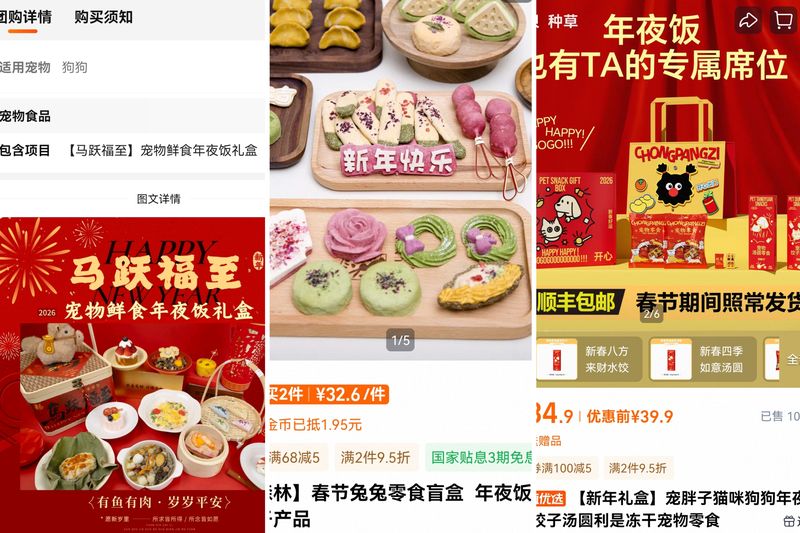
Core Insights - The pet market during the Spring Festival has evolved significantly, with a shift towards "humanized" consumption, focusing on quality and diversity in food, clothing, and services for pets [1] Pet New Year Dinner - Pet New Year dinners have become a standard for many pet-owning families, with social media buzzing with inquiries and recommendations for pet meal options [2] - Prices for pet New Year dinner packages range from 150 to 300 yuan, with some offerings resembling gourmet human meals [2] - The demand for these meals has surged, with many businesses reporting full bookings weeks in advance [2][4] Pet Clothing and Accessories - The trend of dressing pets in new outfits for the New Year has gained popularity, with a reported 330% increase in demand for pet clothing [5] - Pet owners are increasingly purchasing themed accessories and outfits, reflecting a desire to include pets in family celebrations [6][7] Pet Boarding Services - The demand for pet boarding services has increased significantly, with a 46% month-on-month rise in January, particularly for dogs [8] - Many pet boarding facilities are fully booked ahead of the holiday, indicating a strong market for these services [8] Pet Travel and Equipment - There is a growing trend of pet owners wanting to travel with their pets, supported by improvements in transportation services, including pet-friendly train and airline options [11][12] - The market for pet travel equipment has seen substantial growth, with specific products like car seat covers and GPS trackers experiencing significant sales increases [12]


派特鲜生关店近半 宠物鲜食的风口迷局
Bei Jing Shang Bao· 2025-11-18 12:31
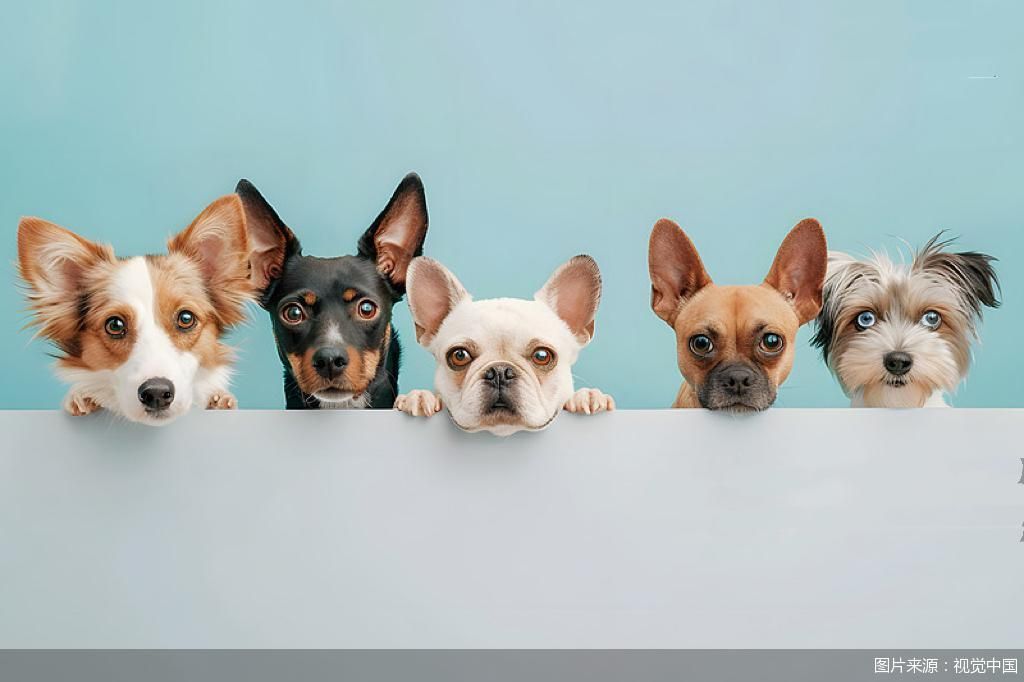
Core Viewpoint - The recent closure of all physical stores by Pet Fresh, a pet fresh food brand, has raised concerns about the viability of the pet fresh food market, highlighting the challenges faced by companies in this segment [1][3]. Company Overview - Pet Fresh, founded by former Hema founder Hou Yi, aimed to create a pet food retail brand similar to Hema, launching its first store in Shanghai in February and raising $25 million in angel funding by May [3][4]. - The company planned to open 100 stores by the end of the year but has now decided to close all physical locations due to operational pressures, retaining only its online business [3][4]. Market Dynamics - The pet fresh food market has attracted numerous entrants as the pet economy expands, but Pet Fresh's rapid expansion and subsequent closure raise questions about the sustainability of such business models [3][5]. - The operational model of Pet Fresh, which included high overhead costs associated with physical stores and specialized kitchen equipment, proved incompatible with the market's characteristics [4][5]. Financial Challenges - The high costs of rent, labor, and cold chain logistics, which account for about one-third of total costs, have made profitability difficult for Pet Fresh, especially given the lower margins of fresh pet food compared to traditional dry food [4][10]. - The average monthly costs for a pet fresh food store can reach approximately 40,000 yuan for rent and utilities, with additional costs for equipment and ingredients [7]. Consumer Behavior - Pet owners typically purchase pet food infrequently, averaging only 1-2 times per month, which limits the effectiveness of physical store models that rely on high foot traffic and immediate delivery [5][9]. - The price sensitivity of consumers also plays a significant role, as many opt for cheaper dry food options over more expensive fresh food, which can cost significantly more per meal [9][10]. Regulatory Environment - The lack of established safety standards for pet fresh food in China has led to consumer concerns regarding product quality and safety, with many brands operating under unclear guidelines [11][12]. - Current regulations primarily cover pet feed but do not extend to fresh food, creating a regulatory gap that could impact market growth and consumer trust [12][14]. Recommendations for the Industry - Experts suggest the need for a multi-tiered standard system to establish clear guidelines for pet fresh food, including ingredient quality, microbial standards, and cold chain requirements [14][15]. - There is a call for industry associations to develop group standards that can eventually evolve into national standards, ensuring better regulation and consumer protection [14][15].
金店退租,商场欲引入宠物摄影店 一只猫卖5万8,毛孩子成了商场新流量密码?
Mei Ri Jing Ji Xin Wen· 2025-10-03 01:07
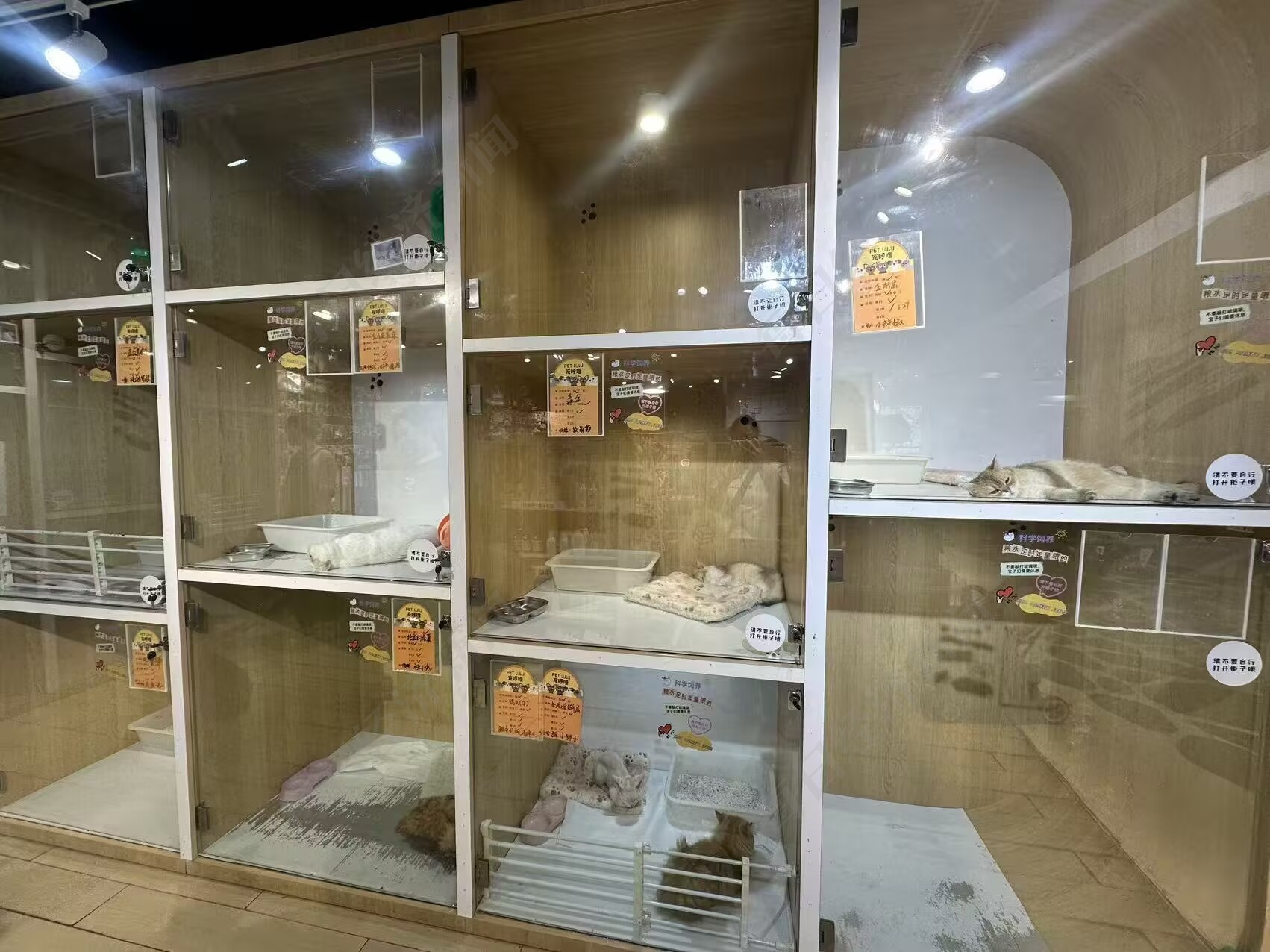
Core Insights - The pet industry is increasingly becoming a focal point for shopping malls in China, with a notable shift in attitude from passive acceptance to active integration of pet-related businesses into commercial planning [3][6][10] Industry Trends - The urban pet consumption market in China is projected to exceed 300 billion yuan in 2024 and is expected to surpass 400 billion yuan by 2027, with a growing proportion of young pet owners [3][4] - Shopping malls are actively seeking to attract consumers through pet-related offerings, which serve as a significant draw for both young and middle-aged demographics [3][4] Business Models - Pet stores that focus on live sales and services are finding more profitability compared to traditional retail models, with live sales being particularly lucrative due to higher profit margins [7][8] - The service segment of the pet industry is expected to grow, with a projected revenue of 154.38 billion yuan in 2024, reflecting a 6.59% increase year-on-year [7] Operational Challenges - The success of pet stores in malls is heavily dependent on location, foot traffic, and the operational capabilities of the mall itself, with some stores struggling to achieve profitability despite the influx of customers [5][9] - There is a need for effective planning and execution of mall events to genuinely attract foot traffic, as many current initiatives are perceived as ineffective [9] Consumer Behavior - Consumers are increasingly willing to spend on pet services, with grooming and care services often priced higher than pet products, indicating a shift in spending patterns [8][9] - The presence of pets in shopping environments is becoming more accepted, but there are still regulatory adjustments needed to fully accommodate pet owners in various commercial settings [10][11]
金店退租,商场欲引入宠物摄影店 一只猫卖5万8,毛孩子成了商场新流量密码?丨宠物经济④
Mei Ri Jing Ji Xin Wen· 2025-10-03 00:22
Core Insights - The pet industry is experiencing significant growth in China, with the urban pet consumption market expected to exceed 300 billion yuan in 2024 and surpass 400 billion yuan by 2027, driven by a growing young pet owner demographic [4][6][10] Group 1: Market Trends - Shopping malls are increasingly welcoming pet stores, with many actively seeking to incorporate pet-friendly spaces to attract younger and middle-aged consumers [4][6] - The shift in attitude from shopping malls towards pet businesses has become particularly evident in the last two years, with a notable increase in invitations for pet-related businesses to enter malls [4][6] - Pet stores are becoming a key strategy for shopping centers to drive foot traffic, similar to the appeal of the "二次元" (anime) culture [4][11] Group 2: Business Models - The pet retail landscape is evolving, with a focus on services rather than just product sales; the service sector is projected to grow, while product sales are declining [10][11] - Active sales of live pets are identified as a lucrative business model, with some stores achieving monthly sales of around 600,000 yuan [8][10] - Pet grooming and care services are becoming increasingly popular, often commanding higher prices than pet products, indicating a shift towards service-oriented revenue streams [10][11] Group 3: Operational Challenges - The success of pet stores in malls heavily relies on location, foot traffic, and the operational capabilities of the shopping centers [11][13] - Some pet store owners report challenges in profitability despite the influx of customers, highlighting the need for effective marketing and event planning by mall operators [11][13] - The balance between accommodating pet-friendly environments and maintaining consumer satisfaction is crucial for the sustainable growth of the pet-friendly concept in commercial spaces [13]
从“养宠”到“宠养”,宠物经济背后的“情感价值”
Qi Lu Wan Bao Wang· 2025-08-20 13:16
Core Insights - The pet consumption market in urban China is projected to exceed 300 billion yuan by 2024, with pet owners increasingly willing to invest in food, medical care, products, and services for their pets [1] - The shift in pet ownership perception is moving from basic care to treating pets as family members, leading to an upgrade in consumption patterns [1][10] Pet Baking Industry - The pet baking segment is gaining traction, with unique offerings such as lactose-free cakes tailored for pets, reflecting a growing demand for personalized pet products [2][3] - The market has evolved from limited options to a wide variety of over a hundred cake designs, with prices ranging from 138 yuan to over 1,000 yuan for elaborate dessert tables [2][3] - The entry of established brands like Holiland into the pet baking market indicates a growing interest and potential for expansion in this niche [3] Pet Fashion Industry - The pet fashion market is estimated to reach approximately 3.5 billion yuan, with a penetration rate of 63.5% for dog apparel and 43.3% for cat apparel by 2024 [5][6] - The trend is shifting towards high-end, customized pet clothing, with a focus on comfort and style, catering to the growing demand for pet fashion as a social statement [4][6] - The concept of pets as fashion companions is becoming popular, with pet owners increasingly investing in stylish outfits for social outings [4][6] Pet Photography Services - The pet photography industry is witnessing a rise in demand, with services tailored to capture memorable moments for pets, especially for aging or ill animals [8][9] - Pet owners are increasingly seeking to document their pets' lives, reflecting a desire to preserve memories as pets are viewed as family members [9] Overall Pet Economy Trends - The pet economy is rapidly evolving, with a significant focus on emotional value and personalized experiences for both pets and their owners [10][11] - The market is expected to follow trends similar to the baby economy, transitioning from basic needs to more emotional and experiential offerings [10] - Future developments in the pet economy will likely include integrated services such as pet-friendly dining and community spaces, enhancing the overall pet ownership experience [11]
白米范如何把 “文化 IP” 做成 “全球硬通货”?
Jin Tou Wang· 2025-05-15 23:02
Core Perspective - The article highlights the emergence of the "Perceiving China" cultural IP as a significant initiative to promote Chinese culture globally, particularly through innovative collaborations with international brands and artists [1][2][8]. Group 1: Cultural Promotion and Collaboration - "Perceiving China" is positioned as a cultural IP that transcends traditional one-way cultural output, aiming for a more interactive global cultural exchange [3][8]. - The initiative includes collaborations with notable entities such as Rolling Stone, CPD, and Feng Chen Wang, showcasing a blend of traditional Chinese cultural symbols with modern design [3][8]. - The "Perceiving China" exhibition at Hong Kong's ComplexCon serves as a platform for this cultural dialogue, featuring a visually striking display that merges Eastern and Western aesthetics [3][4]. Group 2: Product Offerings and Cultural Significance - The product line includes T-shirts, hoodies, pet clothing, hats, and bamboo bags, all infused with Chinese cultural elements while maintaining a contemporary fashion appeal [5][7]. - The collaboration with Rolling Stone features designs that combine rock elements with traditional Chinese calligraphy, symbolizing a fusion of rebelliousness and subtlety [5][7]. - The overarching goal of "Perceiving China" is not merely to sell products but to promote and share Chinese culture on a global scale, emphasizing cultural confidence and creativity [7][9]. Group 3: Future Vision and Impact - The initiative aims to continue evolving by interpreting traditional culture through a modern lens and collaborating with more international brands and artists [8]. - "Perceiving China" seeks to redefine cultural communication, moving from a one-way output to a co-creative global dialogue, thereby enhancing the global recognition of Chinese design [8][9].