幼态审美

Search documents
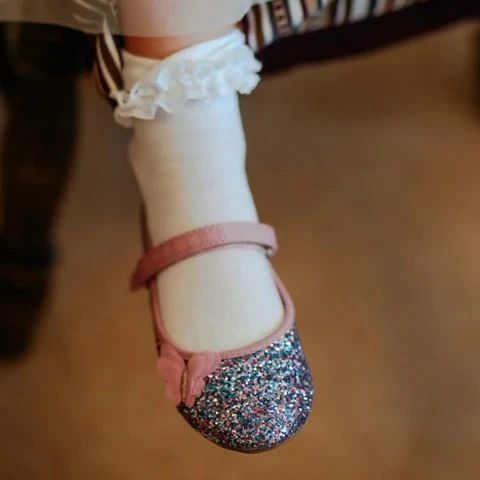
「奶辣风」又盯上婴儿高跟鞋了!
36氪· 2025-05-19 09:42
Core Viewpoint - The article discusses the concerning trend of infantilization and commercialization of childhood, highlighting how adult desires are encroaching on children's innocence through products and marketing strategies that promote adult-like appearances and behaviors in children [8][10][22]. Group 1: Infantilization and Commercialization - The emergence of products like "baby high heels" exemplifies the disturbing trend of infantilization, where children's items are designed to mimic adult fashion, raising ethical concerns about the impact on childhood innocence [5][15]. - The commercialization of childhood is driven by a profit motive, with businesses leveraging parental anxieties about keeping up with trends to market adult-like products for children [9][18]. - The phenomenon of "adultification" in children’s fashion and beauty is not just a passing trend but a systematic approach that could lead to a cycle of harmful consumption patterns [18][19]. Group 2: Impact of Social Media and Marketing - The rise of social media has transformed children into "social currency," where parents showcase their children for likes and validation, often prioritizing commercial gain over the child's well-being [20][38]. - The article references the marketing principle that the more anxious consumers are, the more likely they are to purchase products, which has now been applied to children's products, creating a cycle of anxiety-driven consumption [28][30]. - The normalization of children participating in adult-like activities, such as modeling and social media stardom, raises significant ethical questions about the exploitation of minors for commercial purposes [39][40]. Group 3: Call for Change - The article advocates for a return to prioritizing children's natural development and protecting their innocence, urging parents and society to resist the pressures of commercialization [42][43]. - It emphasizes the need for stricter regulations and content guidelines on platforms to protect children from being exploited in the pursuit of profit [41][42]. - The ultimate goal should be to allow children to enjoy their childhood free from adult pressures and expectations, fostering a healthier environment for their growth [22][43].