
心电一张网

Search documents
这张“网”,如何成为心梗救治的胜负手?
Xin Lang Cai Jing· 2026-02-04 23:41
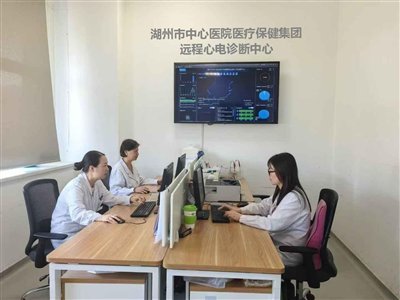
Core Viewpoint - The article highlights the implementation and impact of the "Electrocardiogram Network" in Huzhou, which aims to enhance the early detection and treatment of cardiovascular diseases, particularly acute myocardial infarction, by improving the efficiency of emergency medical responses and facilitating better access to healthcare services for local communities [4][6][11]. Group 1: Project Implementation - The "Electrocardiogram Network" project was officially launched in November 2024, establishing a four-tier medical service system to provide remote electrocardiogram diagnostic services [6][11]. - As of now, over 260,000 electrocardiogram data uploads have been made by grassroots medical institutions, with more than 140,000 abnormal readings identified, including over 300 cases of myocardial infarction [4][11]. Group 2: Challenges in Traditional Treatment - The rising prevalence of cardiovascular diseases, particularly among younger populations, has made them a leading cause of death, with 2 out of every 5 deaths attributed to these conditions [5]. - Traditional treatment models face significant challenges, including a lack of equipment, insufficient trained personnel, and high misdiagnosis rates in grassroots medical institutions [5][12]. Group 3: Network Efficiency and Support - The network's efficiency is supported by standardized hardware, talent development, and streamlined processes, ensuring that grassroots medical institutions are equipped with necessary diagnostic tools and training [7][10]. - The establishment of a remote consultation mechanism allows for rapid diagnosis and treatment guidance, significantly reducing the time from symptom onset to medical intervention [9][10]. Group 4: Community Impact and Recognition - The implementation of the network has led to a notable increase in the number of patients receiving timely medical attention, with the time from symptom onset to first medical contact ranking first in the province [11]. - Community feedback indicates a high level of satisfaction with the accessibility and quality of care provided through the network, with a reported patient satisfaction score of 98 out of 100 [10][11]. Group 5: Future Plans and Improvements - Moving forward, the project aims to address existing challenges such as equipment standardization, data sharing issues, and enhancing the emergency response process to ensure long-term sustainability and effectiveness of the network [12].

宁阳县域救治迈入“分钟级”时代
Xin Lang Cai Jing· 2026-02-04 09:12
Core Insights - The article highlights the successful implementation of AI-assisted diagnosis and remote medical services in Ningyang County, which has improved healthcare accessibility and efficiency for local residents [1][2][3]. Group 1: AI-Assisted Diagnosis - The DUCG clinical auxiliary diagnosis system, developed by a team from Tsinghua University, is now standard in village health clinics, allowing for accurate diagnosis based on patient symptoms [2][3]. - The usage rate of the DUCG system among grassroots doctors has increased from less than 30% to over 85% within four months of its implementation [3]. Group 2: Remote Medical Services - The "Heart Network" initiative enables rapid remote diagnosis of heart conditions, significantly reducing the average response time for chest pain emergencies from 30 minutes to just a few minutes [4]. - As of December 2025, over 30,000 remote electrocardiograms have been conducted, successfully saving more than 260 lives from acute myocardial infarction [4]. Group 3: Imaging and Consultation Services - The integration of remote imaging services allows CT scans from township health centers to be uploaded in real-time to county-level platforms, facilitating expert consultations and reducing patient wait times [5]. - Since 2024, over 43,000 medical examination results have been mutually recognized among healthcare institutions, saving approximately 1.9 million yuan in medical costs [5].
织就居民健康“心电一张网”
Xin Lang Cai Jing· 2026-01-10 21:36
Core Viewpoint - The article highlights the initiative by Beijing Anzhen Hospital to enhance cardiovascular care by establishing a remote electrocardiogram (ECG) network that connects community healthcare institutions with advanced medical facilities, aiming to improve access to quality healthcare for residents [1][2]. Group 1: Project Overview - Beijing Anzhen Hospital is leading a project called "Heart ECG Network" to extend medical resources to grassroots levels, with plans to provide over 10,000 remote ECG readings for community hospitals by 2025 [1][3]. - The project aims to address the supply-demand imbalance in high-quality cardiovascular care, particularly in community healthcare settings where there is a lack of specialized personnel and technology [1][2]. Group 2: Operational Mechanism - Residents in need can wear dynamic ECG devices at community centers, with data uploaded in real-time to the remote ECG center at Beijing Anzhen Hospital, where diagnoses are typically completed within three working days [2][3]. - A clear tiered treatment mechanism has been established: mild cases are managed by community doctors, more severe cases are referred to tertiary hospitals, and critical cases receive immediate attention from specialists at Anzhen Hospital [2][3]. Group 3: Impact and Expansion - The initiative has already benefited numerous residents, exemplified by a case where a patient was quickly diagnosed with severe arrhythmia and received timely intervention [3]. - The network currently covers 54 community health service centers across multiple districts and plans to expand further into more areas and neighboring counties, promoting collaborative healthcare resource development [3].
