
心电诊断服务

Search documents
这张“网”,如何成为心梗救治的胜负手?
Xin Lang Cai Jing· 2026-02-04 23:41
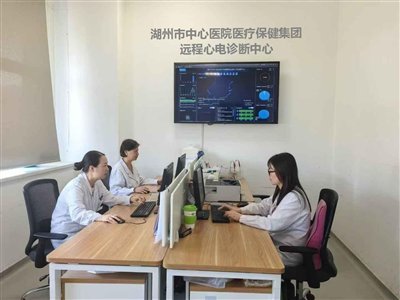
Core Viewpoint - The article highlights the implementation and impact of the "Electrocardiogram Network" in Huzhou, which aims to enhance the early detection and treatment of cardiovascular diseases, particularly acute myocardial infarction, by improving the efficiency of emergency medical responses and facilitating better access to healthcare services for local communities [4][6][11]. Group 1: Project Implementation - The "Electrocardiogram Network" project was officially launched in November 2024, establishing a four-tier medical service system to provide remote electrocardiogram diagnostic services [6][11]. - As of now, over 260,000 electrocardiogram data uploads have been made by grassroots medical institutions, with more than 140,000 abnormal readings identified, including over 300 cases of myocardial infarction [4][11]. Group 2: Challenges in Traditional Treatment - The rising prevalence of cardiovascular diseases, particularly among younger populations, has made them a leading cause of death, with 2 out of every 5 deaths attributed to these conditions [5]. - Traditional treatment models face significant challenges, including a lack of equipment, insufficient trained personnel, and high misdiagnosis rates in grassroots medical institutions [5][12]. Group 3: Network Efficiency and Support - The network's efficiency is supported by standardized hardware, talent development, and streamlined processes, ensuring that grassroots medical institutions are equipped with necessary diagnostic tools and training [7][10]. - The establishment of a remote consultation mechanism allows for rapid diagnosis and treatment guidance, significantly reducing the time from symptom onset to medical intervention [9][10]. Group 4: Community Impact and Recognition - The implementation of the network has led to a notable increase in the number of patients receiving timely medical attention, with the time from symptom onset to first medical contact ranking first in the province [11]. - Community feedback indicates a high level of satisfaction with the accessibility and quality of care provided through the network, with a reported patient satisfaction score of 98 out of 100 [10][11]. Group 5: Future Plans and Improvements - Moving forward, the project aims to address existing challenges such as equipment standardization, data sharing issues, and enhancing the emergency response process to ensure long-term sustainability and effectiveness of the network [12].

广西县级医院医疗服务能力全部达到国家标准
Guang Xi Ri Bao· 2025-12-13 02:30
Core Insights - Guangxi is actively promoting the construction of a tightly-knit county medical community to safeguard the health of grassroots populations, achieving 100% service capability in county hospitals and over 95% in grassroots medical institutions [1][2] Group 1: Medical Community Development - The tightly-knit county medical community is a primary model of medical alliances, aimed at enhancing collaboration among medical institutions within counties, improving resource allocation and utilization efficiency, and providing equitable and accessible healthcare services [1][2] - Since 2019, Guangxi has gradually implemented the tightly-knit county medical community construction, leveraging experiences from counties like Shanglin and Luzhai, and has established 14 comprehensive health pilot zones [2] Group 2: Resource Sharing and Support - Over 80% of counties have established resource-sharing centers for imaging, electrocardiograms, and laboratory tests, with nearly 1 million remote medical diagnostic services provided this year [2] - The "Thousand County Project" has been implemented to enhance the capabilities of county hospitals, with support from 51 urban tertiary hospitals aiding 100 county hospitals [2] Group 3: Healthcare Financing and Insurance - In 2023, Guangxi reformed the medical insurance payment methods to favor grassroots healthcare, with over 31% of the county's basic medical insurance fund expenditures allocated to grassroots institutions [3] - Since the 14th Five-Year Plan, Guangxi has allocated 249.52 billion yuan to support the grassroots healthcare system, and 1,434.11 billion yuan to strengthen basic medical insurance and medical assistance [3]