
忧乐文化

Search documents
芷江入列国家历史文化名城,湖南这5座城凭什么?
Xin Lang Cai Jing· 2026-01-31 15:24
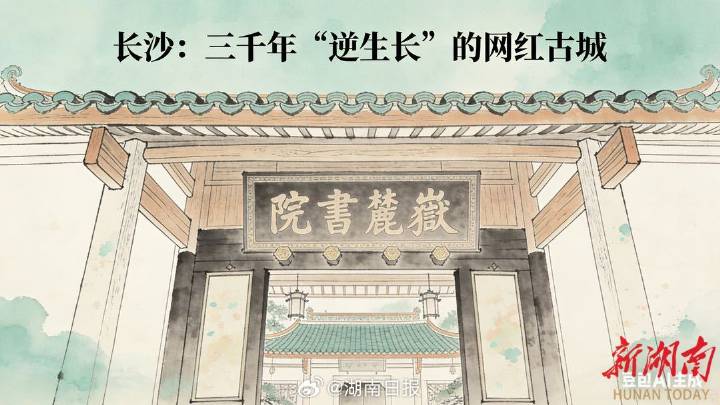
Core Viewpoint - The State Council has approved the designation of Zhijiang Dong Autonomous County in Hunan Province as a National Historical and Cultural City, expanding the list of such cities in Hunan to five: Changsha, Yueyang, Fenghuang, Yongzhou, and Zhijiang [1] Group 1: Changsha - Changsha is the only city from Hunan included in the first batch of National Historical and Cultural Cities, with a history of nearly 3,000 years without changing its name or location [3] - The city has a rich historical heritage, including significant archaeological finds such as the Mawangdui Han Tomb and the Tang Dynasty copper kiln, which produced the earliest underglaze colorful porcelain [4] - Changsha has transformed its historical cultural legacy into a modern "internet celebrity" city, blending ancient literary traditions with contemporary life [5] Group 2: Yueyang - Yueyang, with over 2,500 years of history, is renowned for its cultural significance, particularly due to the famous essay "Yueyang Tower" by Fan Zhongyan, which has shaped the spirit of Chinese scholars [7] - The city is a historical hub with archaeological sites dating back to the Paleolithic era and has been a vital cultural exchange point throughout history [8] - Yueyang is home to several national historical and cultural towns and villages, preserving traditional architecture and vibrant local customs [8] Group 3: Fenghuang - Fenghuang gained recognition as a National Historical and Cultural City due to its unique blend of literature and geography, largely popularized by writer Shen Congwen [10] - The city features well-preserved ancient architecture and is a melting pot of various ethnic cultures, including Miao and Tujia [10] - Fenghuang is characterized by its picturesque landscapes and rich cultural heritage, making it a significant tourist destination [11] Group 4: Yongzhou - Yongzhou, known as "Xiangnan," has a history of over 2,100 years and is recognized for its contributions to agricultural history and literature [13] - The city is famous for its scenic beauty and has been a source of inspiration for many renowned poets and writers throughout history [13] - Yongzhou is also the birthplace of Neo-Confucianism, with significant philosophical contributions that have influenced East Asian thought [14] Group 5: Zhijiang - Zhijiang has been designated as a National Historical and Cultural City, marking its importance in modern Chinese history as the site of Japan's surrender during World War II [16] - The city is recognized as an "International Peace City," promoting peace through cultural festivals and events [16] - Zhijiang is also a center for Dong ethnic culture, featuring unique architectural structures and cultural practices [16] Group 6: Cultural Significance - The five cities—Changsha, Yueyang, Fenghuang, Yongzhou, and Zhijiang—collectively represent the rich tapestry of Hunan's cultural heritage, encompassing various cultural themes such as Chu culture, ethnic diversity, Neo-Confucianism, and revolutionary history [17] - Understanding these cities provides insight into the historical and cultural essence of Hunan Province [18]

烟波浩渺处 “忧乐”谱新篇(文化中国行·唐诗宋词里的古建筑)
Ren Min Ri Bao· 2025-10-05 21:52
Core Viewpoint - The article highlights the historical and cultural significance of the Yueyang Tower, emphasizing its enduring legacy and the evolving interpretation of the concept of "worry and joy" associated with it. Group 1: Historical Significance - Yueyang Tower was originally built as "Yuejun Tower" during the Three Kingdoms period and has undergone several renovations, with the most recent major restoration occurring from 1982 to 1984 [2][3] - The tower has been a source of inspiration for many poets throughout history, including famous figures like Li Bai and Du Fu, who have left their literary marks on it [2][4] Group 2: Restoration Efforts - The recent restoration involved disassembling the entire structure, preserving 20,500 out of 42,000 wooden components, and replacing those that were damaged [3] - The restoration process included measures to prevent termite damage and enhance the structural integrity of the building [3] Group 3: Cultural Interpretation - The concept of "worry and joy" has been a recurring theme in the works of historical figures like Qu Yuan, Du Fu, and Fan Zhongyan, reflecting their deep emotional connections to their circumstances [4][5][6] - In contemporary times, the phrase "worry and joy" has taken on new meanings, particularly in the context of environmental protection and cultural tourism in Yueyang [9] Group 4: Modern Developments - The Yueyang Municipal People's Congress has designated the 15th day of the ninth lunar month as "Yueyang Tower Day," highlighting the importance of preserving the cultural heritage [9] - Recent initiatives to protect the ecological environment, such as the removal of illegal sand and stone docks and wetland restoration, are seen as manifestations of the modern interpretation of "worry and joy" [9]