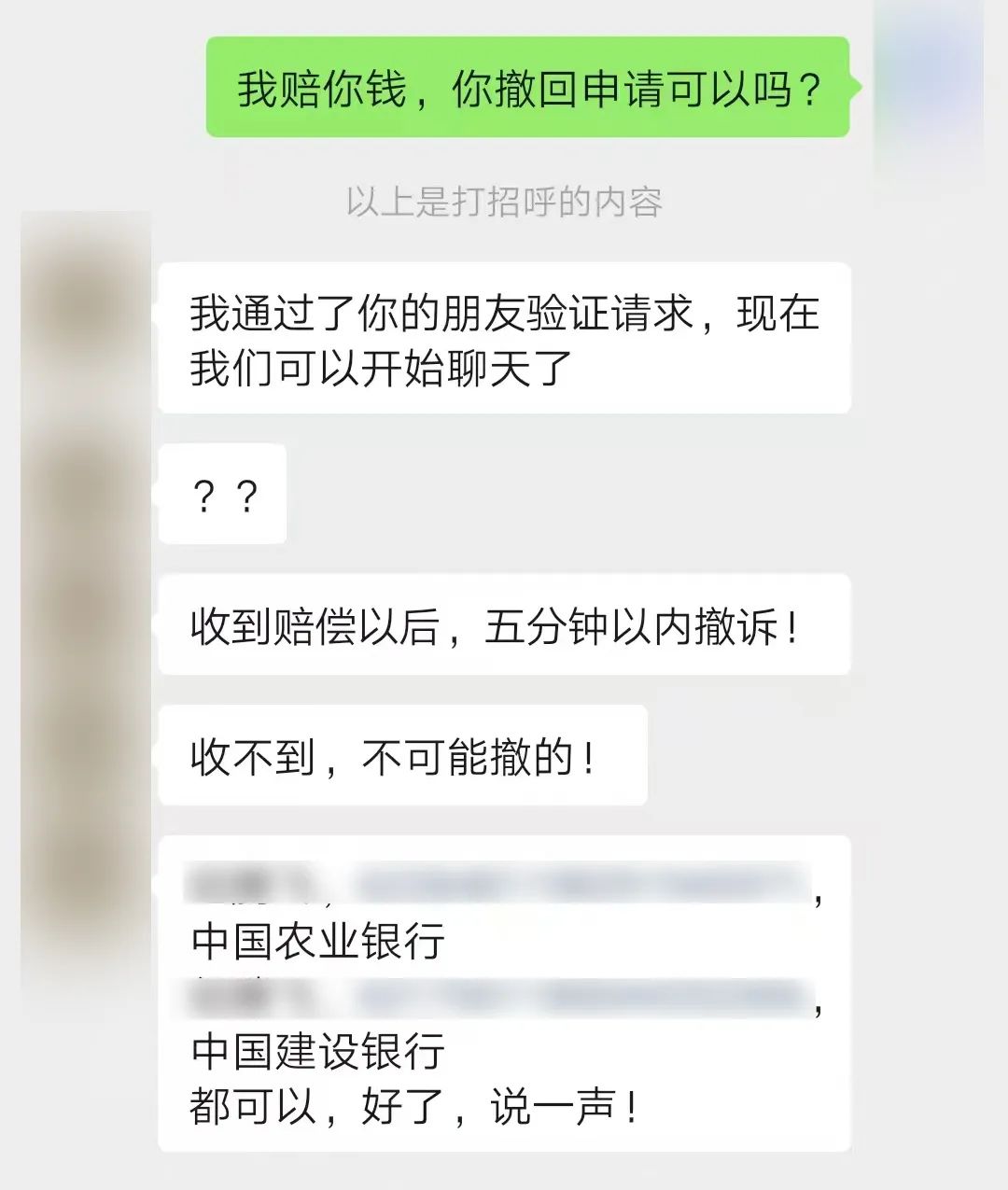
恶意打假

Search documents
抖音电商终于下狠手了,这类“打假网红”要凉了
Sou Hu Cai Jing· 2025-12-17 13:15
Core Viewpoint - The article discusses the emerging trend in the e-commerce industry where some influencers exploit "anti-counterfeiting" efforts to gain traffic and monetize through selling products, revealing a shift from genuine consumer protection to profit-driven motives [2][5][6]. Group 1: The Trend of "Anti-Counterfeiting" for Profit - Influencers create videos claiming to expose counterfeit products, often using emotional appeals to attract viewers, but they simultaneously promote similar products for profit [3][10]. - This practice has become a replicable business model, with many influencers engaging in "anti-counterfeiting" as a means to generate income [4][6]. - The rise of these "anti-counterfeiting" influencers has led to a misuse of public trust, turning a once noble cause into a tool for personal gain [5][6]. Group 2: The Impact on Brands and Consumers - Brands targeted by these influencers face significant reputational damage, often leading to decreased sales and financial losses, especially during critical sales periods [15][16]. - The malicious nature of these attacks creates an environment of fear among brands, leading to a cycle where genuine businesses suffer while fraudulent practices thrive [16][27]. - The overall e-commerce ecosystem is at risk, as the prevalence of "anti-counterfeiting" tactics undermines trust and quality, potentially driving consumers away [16][27]. Group 3: Regulatory Responses from Platforms - Douyin e-commerce has introduced new regulations aimed at curbing the spread of malicious "anti-counterfeiting" content, focusing on evidence-based claims and restricting influencers from selling products in the same category they criticize [19][20]. - The platform's measures include marking accounts that engage in malicious practices and restricting their ability to monetize content, effectively cutting off their revenue streams [21][22]. - These regulatory actions are part of a broader strategy to maintain a healthy ecosystem by promoting quality content and protecting both consumers and legitimate businesses [26][27].



6888元带你“打假赚钱” 一年投诉3000次,职业打假人“吹哨”还是“碰瓷”
3 6 Ke· 2025-05-15 11:40
Core Viewpoint - The phenomenon of "professional counterfeiters" in China is evolving, with some individuals shifting from legitimate consumer protection roles to exploitative practices for personal gain, leading to significant controversy and debate about their impact on market regulation and consumer rights [1][20][21]. Group 1: Evolution of Professional Counterfeiters - The number of "professional counterfeiters" has significantly increased over the past 30 years, particularly following the enhancement of consumer protection laws in China [1][3]. - Some individuals, such as Z, have been reported to file thousands of complaints, often targeting small businesses and exploiting minor labeling issues to demand high compensation [3][4][7]. - The emergence of "professional claimants" has led to a chain-like trend where individuals sell courses on how to effectively file complaints and claims, indicating a shift towards a more organized and profit-driven approach [2][16][17]. Group 2: Impact on Businesses - Many small businesses, particularly in the beauty and food sectors, have faced repeated complaints from "professional counterfeiters," leading to closures and significant financial losses [4][7][18]. - The complaints often focus on non-substantive issues such as labeling and packaging, diverting regulatory attention from more serious consumer safety concerns [19][21]. - The financial burden on businesses is exacerbated by the high costs associated with resolving these complaints, often resulting in settlements that can reach thousands of yuan [8][14][18]. Group 3: Regulatory and Legal Responses - There is a growing recognition of the need to differentiate between legitimate consumer protection efforts and exploitative practices, with some regions implementing regulations to curb "malicious complaints" [22][23][24]. - Recent legal interpretations emphasize that claims should be based on genuine consumer needs, and excessive or repetitive complaints may be classified as abuse of legal processes [22][24]. - The trend towards leniency in penalties for minor labeling violations reflects an effort to reduce the burden on businesses while still maintaining consumer protection standards [23][27].