悲秋情绪

Search documents
“悲秋”情绪该如何调解?
Zhong Guo Xin Wen Wang· 2025-10-12 02:00
Group 1 - The core viewpoint of the articles discusses the phenomenon of "autumn sadness" and how to manage it effectively [1][2] - The director of Ning'an Hospital, Xu Xuebing, explains that mild symptoms of decreased energy and occasional low mood are normal during autumn, but persistent symptoms lasting over two weeks that affect daily life should be taken seriously [1] - Recommendations for combating "autumn sadness" include getting sufficient sunlight, regular exercise, and maintaining social connections [1] Group 2 - Xu Xuebing emphasizes the importance of outdoor sunlight exposure for at least 30 minutes daily and engaging in physical activity three to five times a week for over 30 minutes each session [1] - Maintaining a balanced diet and a regular sleep schedule is crucial, with suggestions to consume foods rich in tryptophan and to limit caffeine and high-sugar foods [1] - If self-regulation does not alleviate emotional issues, seeking help from a psychologist or psychiatrist is advised [2]
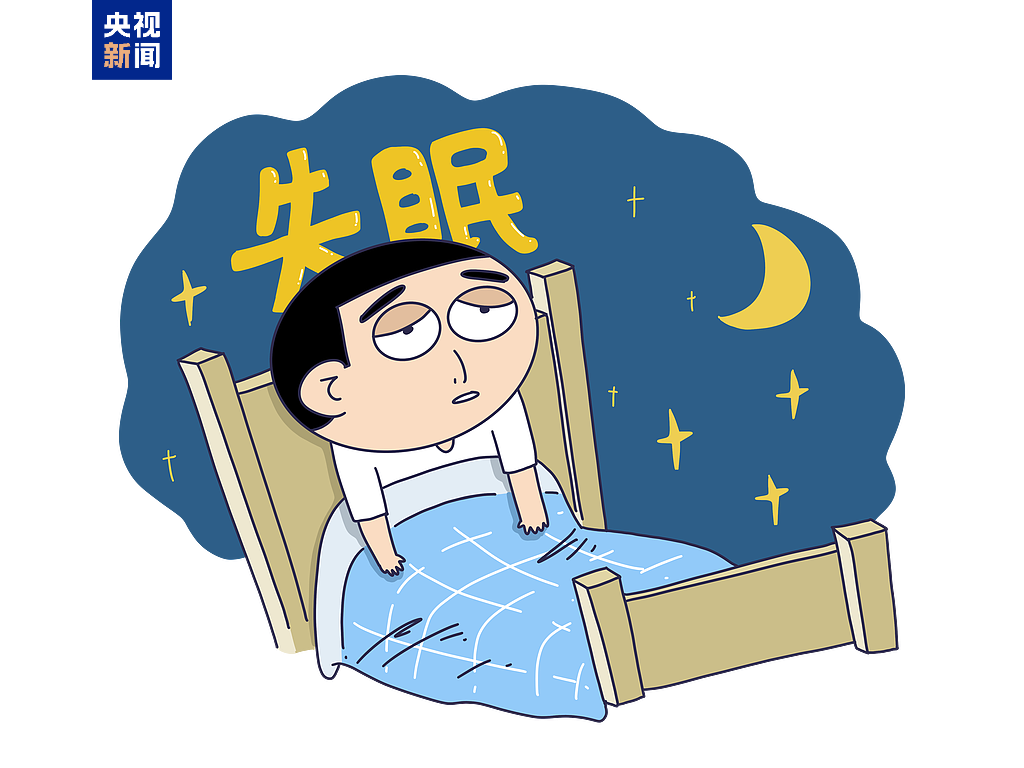
一到换季就失眠?这几个科学方法助你睡个好觉
Yang Shi Xin Wen· 2025-09-07 08:44
Core Insights - The article discusses the phenomenon of "seasonal insomnia" that occurs during the transition from summer to autumn, highlighting how changes in temperature, daylight, and humidity can disrupt sleep patterns [1][3]. Group 1: Causes of Seasonal Insomnia - Changes in circadian rhythm due to shorter daylight hours and longer nights can affect the secretion of sleep-regulating hormones like melatonin, leading to difficulties in falling asleep or waking up too early [3]. - Significant temperature fluctuations in autumn can challenge the body's temperature regulation, potentially impacting the depth and stability of sleep, resulting in frequent awakenings during the night [4]. - The melancholic feelings associated with autumn, such as "autumn sadness," can trigger anxiety and insomnia, making seasonal emotional fluctuations a common cause of sleep disturbances [5]. Group 2: Sleep Regulation Strategies - Following traditional health guidelines, it is recommended to gradually adjust sleep schedules to align with natural rhythms, such as going to bed earlier and maintaining consistent sleep and wake times, even on weekends [7]. - Dietary adjustments are advised, including light dinners and avoiding spicy, greasy foods, caffeine, and alcohol in the evening, while a small cup of warm milk before bed may help promote relaxation [8]. - Engaging in outdoor activities during sunny weather can alleviate "autumn sadness," while participating in enjoyable activities like listening to music or socializing can help maintain a positive mood and reduce excessive sadness [9]. Group 3: Improving Sleep Environment - Creating a conducive sleep environment is essential, such as using a humidifier during dry autumn months and wearing soft, breathable sleepwear to prevent chills during the night [10]. - It is advised to avoid engaging in non-sleep-related activities in bed, such as watching TV or using a smartphone, to reinforce the association between the bed and sleep [10]. Group 4: Pre-Sleep Relaxation Techniques - Simple pre-sleep actions, such as gently combing hair for 3-5 minutes, can enhance blood circulation in the head and help relax tense nerves [12]. - Massaging the temples in a clockwise direction for 3 minutes can alleviate head fatigue and ease anxiety [14]. - Applying pressure to the Fengchi point at the back of the neck for 3 minutes can help relieve fatigue [15].