战争疲劳症

Search documents
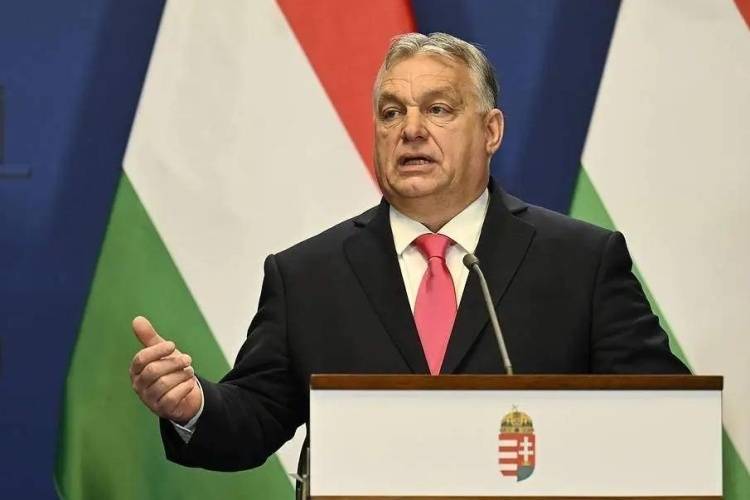
欧盟国家一夜变天!数万人涌上街头,高喊“不愿为乌克兰送死”!
Sou Hu Cai Jing· 2025-10-28 08:08
Core Viewpoint - The protests in Budapest on October 23 represent a significant shift towards "accounting politics" in Hungary, focusing on domestic economic concerns rather than broader geopolitical issues [1][3][11]. Group 1: Political Context - The rally initiated by Prime Minister Orban emphasized the importance of household bills over moral obligations, with slogans like "Warm the children's beds, not send weapons to war" [3][5]. - Orban's strategy effectively translates the costs of supporting Ukraine into relatable financial burdens for families, making the impact of EU sanctions on energy prices clear and emotionally resonant [5][6]. Group 2: Economic Impact - The EU's sanctions against Russia have led to a threefold increase in natural gas prices, directly affecting household expenses, with heating costs doubling last winter and essential goods prices rising by nearly 50% [5][6]. - Orban's promise to negotiate a new energy agreement with Russia to lower heating costs to 2022 levels resonates strongly with voters facing immediate financial pressures [8]. Group 3: Opposition Dynamics - The contrasting rally led by the opposition, advocating for a return to EU alignment and the release of frozen recovery funds, failed to gain traction against Orban's more immediate and relatable promises [9][11]. - The opposition's focus on long-term benefits appears ineffective in the face of current economic hardships, highlighting a disconnect between political rhetoric and public sentiment [9][11]. Group 4: Broader Implications - Hungary's "accounting politics" reveals structural contradictions within the EU regarding unified action and member states' interests, as Orban's defiance undermines traditional EU pressure tactics [11][13]. - The protests reflect a growing "war fatigue" across Europe, with increasing public dissent against excessive support for Ukraine, indicating a potential shift in political focus from ideological battles to economic realities [11][13][16].