拉美政治右倾保守化

Search documents
2026年拉美“第一选”:右翼接续执政哥斯达黎加
Xin Hua Wang· 2026-02-02 13:52
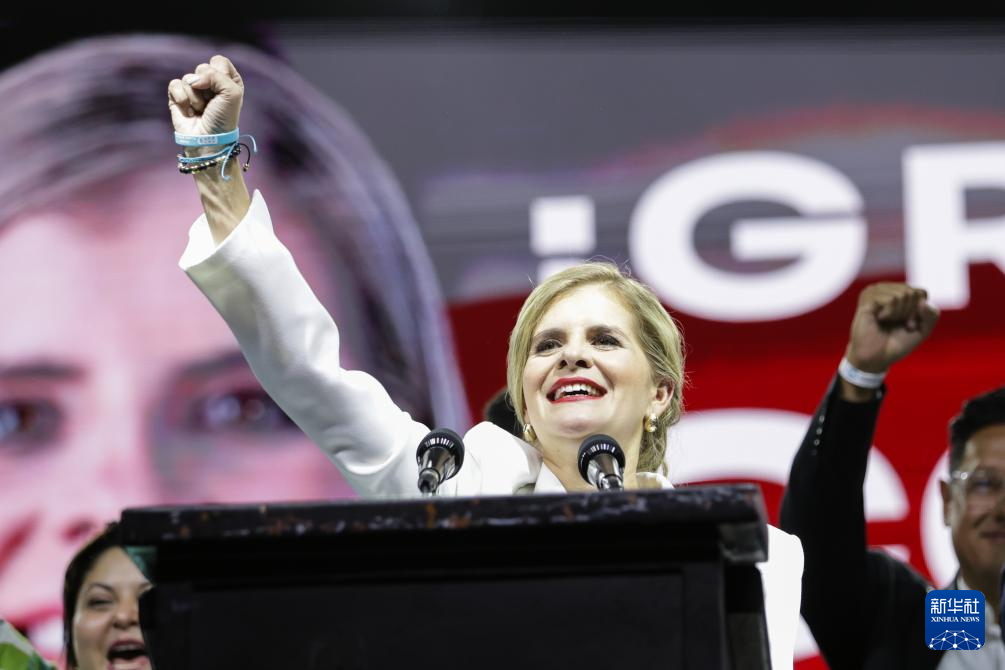
Core Viewpoint - The election of Laura Fernández from the right-wing People's Sovereignty Party in Costa Rica is seen as a continuation of the current administration's policies, further solidifying the conservative trend in Latin American politics [2][4]. Election Results - Laura Fernández won the presidential election with 48.51% of the votes, surpassing the legal threshold for election, based on the counting of 88.43% of the ballots by the Costa Rican Supreme Electoral Tribunal [3]. Candidate Background - Laura Fernández, aged 39, previously served as the Minister of National Planning and Economic Policy and Minister of the Presidency under the current president, Rodrigo Chávez [4]. - Fernández's victory is attributed to the support from Chávez and his right-wing coalition, with Chávez's high approval ratings playing a crucial role in her campaign [4]. Policy Continuity - Fernández emphasized the theme of "continuity" in her campaign, advocating for the continuation of Chávez's policies, including fiscal austerity, attracting private investment, enhancing government efficiency through digitalization, and a strong stance against crime [4]. Security Concerns - Rising violent crime, particularly related to drug trafficking and gang conflicts, has become a central issue for voters, with 873 homicides reported in 2025, indicating a high rate relative to the region [4]. - To address security issues, Fernández plans to implement a "state of emergency" in specific areas to combat drug-related crimes and increase penalties for organized crime [5]. Regional Political Trends - The election results in Costa Rica reflect a broader trend in Latin America, where right-wing parties are consolidating power while left-wing movements are declining [6]. - The upcoming elections in several Latin American countries are expected to be influenced by this rightward shift in political dynamics [6]. U.S. Relations - The current Costa Rican government maintains a close relationship with the United States, which is expected to strengthen under Fernández's administration, further aligning with the "pro-U.S." bloc in the region [7]. - Analysts suggest that the rise of right-wing forces in Latin America is influenced by external factors, including the policies of the Trump administration, which actively supported right-wing leaders in the region [7].