摄影武器论

Search documents
记录战地摄影师的抗战时刻(新书问答)
Ren Min Ri Bao Hai Wai Ban· 2025-09-17 23:05
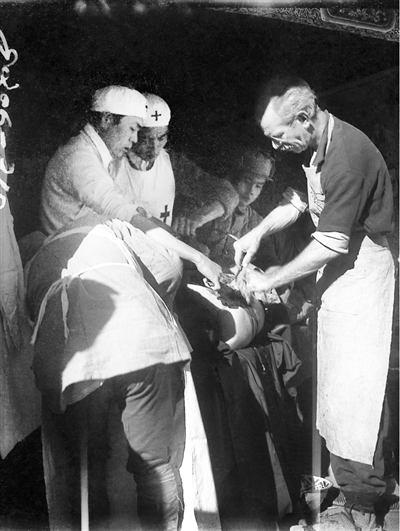
Core Viewpoint - The article discusses the publication of "Chasing the Light," a non-fiction work by author Hai Fei, which portrays the lives of five war photographers during the Anti-Japanese War, highlighting their sacrifices and contributions to documenting history through photography [5][12]. Group 1: Background and Motivation - The author was inspired to shift from fiction to non-fiction after learning about the life of photographer Lei Ye, who died at the young age of 29, and the 60-year search for his family [6]. - The transition from aesthetic photography to war documentation was driven by the need to promote national spirit during a time of crisis, as many photographers chose to record the atrocities of the Japanese invasion [7][8]. Group 2: Contributions of War Photographers - The five featured photographers, including Lei Ye, Gao Fan, Xu Xiaobing, Luo Guangda, and Yu Chuangshuo, each had unique paths that led them to document the war, reflecting a collective commitment to capturing the truth of the conflict [9][10]. - Their work not only served as a historical record but also aimed to inspire resistance and solidarity among the Chinese people during the war [11][12]. Group 3: Working Conditions and Challenges - War photographers operated under extreme conditions, often working on the front lines and facing shortages of photographic materials, which required them to be resourceful in their methods [10][11]. - They frequently had to transport film and equipment under dangerous circumstances, using creative means to ensure their materials reached the front lines safely [11]. Group 4: Historical Significance of Their Work - The photographs taken by these war photographers hold significant historical value, capturing key moments such as the victory at Pingxingguan and humanitarian efforts by figures like Norman Bethune [12]. - Their images serve as powerful visual testimonies of the struggles and resilience of the Chinese people during the war, ensuring that the sacrifices made are not forgotten [12].