撞击通量

Search documents
【中国新闻网】嫦娥六号月壤最新研究修正月球“时间标尺”
Zhong Guo Xin Wen Wang· 2026-02-06 03:20
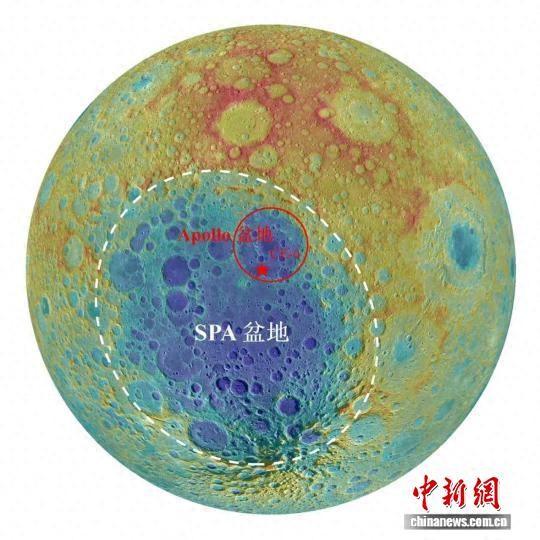
Core Viewpoint - Chinese scientists have made significant progress in lunar research by revising the long-standing lunar impact crater chronology model, confirming that the impact flux on the moon's front and back sides is essentially consistent, which provides a more accurate "time scale" for lunar studies [4][5][6]. Group 1: Research Findings - The study, published in the journal "Science Advances," was conducted by scientists from the Chinese Academy of Sciences and involved the analysis of samples returned by the Chang'e 6 mission [4]. - The research established a new impact crater chronology model by correlating isotopic ages of returned samples with the density of impact craters in the sampling area, addressing long-standing debates regarding the moon's early impact history [4][5]. - The analysis of samples from the South Pole-Aitken (SPA) basin revealed young basalt dated at approximately 2.807 billion years and ancient rock at 4.25 billion years, providing critical "anchors" for understanding the moon's early history [4]. Group 2: Methodology and Results - The research team utilized high-resolution remote sensing images to statistically analyze the density of impact craters larger than 1 kilometer in the Chang'e 6 landing area and the entire SPA basin, integrating historical lunar exploration data [5]. - The results indicated a high degree of consistency in impact crater density between the moon's front and back sides, laying the groundwork for a global impact crater chronology model [5]. - The revised model suggests that the early impact events on the moon occurred in a smooth decline rather than through a period of intense turmoil, providing new insights into the moon's early impact history [6].

嫦娥六号月壤最新研究修正月球“时间标尺”
Xin Lang Cai Jing· 2026-02-05 14:04
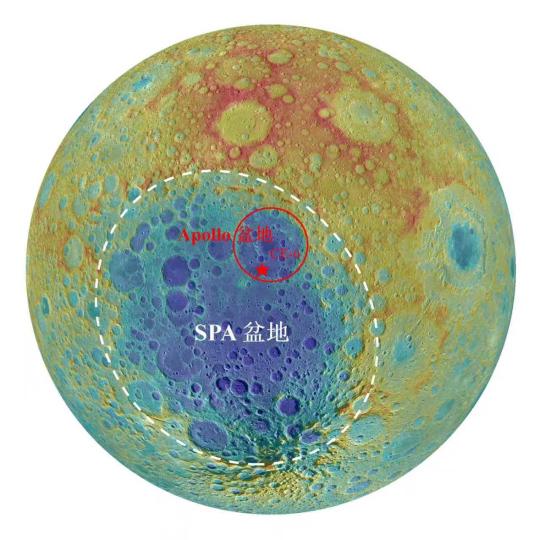
Core Insights - Chinese scientists have made significant progress in lunar research by revising the long-standing lunar impact crater chronology model, confirming that the impact flux on the moon's front and back sides is essentially consistent [1][3][5] Group 1: Research Findings - The study was conducted by scientists from the Institute of Geology and Geophysics and the Aerospace Information Research Institute of the Chinese Academy of Sciences, utilizing remote sensing images [1][3] - The analysis of samples returned by the Chang'e 6 mission from the South Pole-Aitken (SPA) basin revealed young basalt dated at approximately 2.807 billion years and ancient rock at 4.25 billion years, providing crucial "anchors" for understanding the moon's early history [3][5] - The research team established a new lunar impact crater chronology model by correlating isotopic ages of returned samples with the density of impact craters in the sampling area, addressing ongoing debates about the moon's early impact history [3][5] Group 2: Implications of Findings - The results indicate a high degree of consistency in impact crater density between the moon's front and back sides, laying the groundwork for a global impact crater chronology model [5] - The revised lunar "time scale" model offers new insights into the early impact history of the moon, suggesting that early impact events occurred in a smooth decline rather than through violent upheaval [5]
嫦娥六号月壤研究:修正月球“时间标尺”证实两面撞击通量一致
Xin Lang Cai Jing· 2026-02-05 13:06
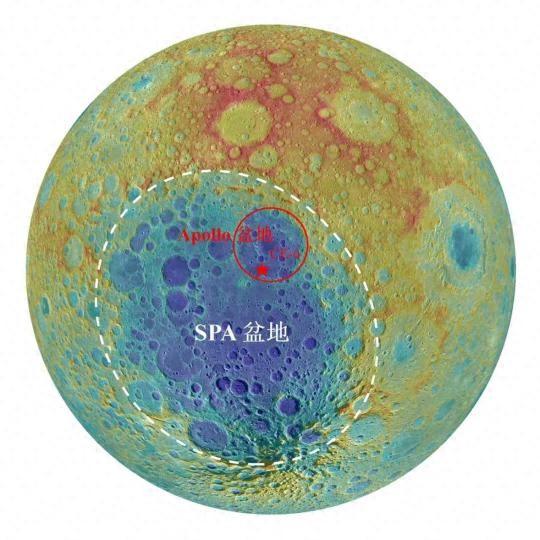
Core Viewpoint - Chinese scientists have made significant progress in lunar research by revising the long-standing lunar impact crater chronology model, confirming that the impact flux on the moon's front and back is consistent, and indicating a smooth decline in early impact flux, which contradicts the "late heavy bombardment" hypothesis [1][3][5]. Group 1: Research Findings - The study was conducted by scientists from the Chinese Academy of Sciences, utilizing remote sensing images and published in the journal "Science Advances" [3]. - The research established a new impact crater chronology model based on samples returned by the Chang'e 6 mission, which included 1,935 grams of lunar soil from the South Pole-Aitken (SPA) basin [5]. - The analysis revealed young basalt dated at approximately 2.807 billion years and ancient rock at 4.25 billion years, providing critical "anchors" for understanding the moon's early history [5]. Group 2: Methodology and Results - The research team used high-resolution remote sensing images to statistically analyze the density of impact craters larger than 1 kilometer in the Chang'e 6 landing area and the entire SPA basin [5]. - The results indicated that the impact crater density on the moon's back is highly consistent with that on the front, falling within the 95% confidence interval of the previously established model based on front samples [5]. - The new model suggests that early lunar impact events occurred in a smooth decline rather than a chaotic process, challenging existing hypotheses regarding the moon's early impact history [7].