政商勾连腐败

Search documents
斩断政商勾结利益链条
Zhong Yang Ji Wei Guo Jia Jian Wei Wang Zhan· 2026-01-13 08:29
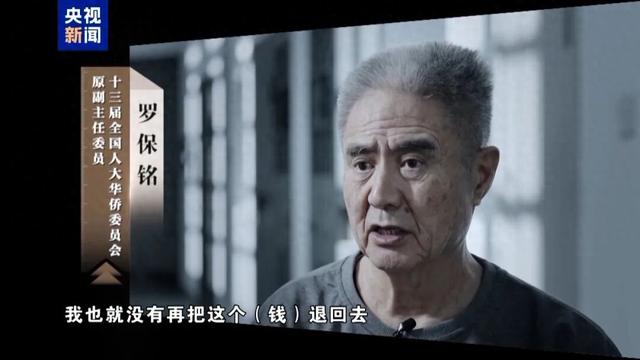
Group 1 - The core issue of corruption remains unresolved, with new instances of corruption occurring, particularly in the form of collusion between government and business [1] - The documentary "Step Forward, Step Back" highlights the severe consequences of government-business collusion, showcasing multiple cases that have raised public awareness [1] - The case of Luo Baoming, former Vice Chairman of the Overseas Chinese Committee of the National People's Congress, exemplifies the detrimental effects of collusion, leading to his conviction for bribery and a 15-year prison sentence [1] Group 2 - The documentary emphasizes the importance of a clean environment for economic development, as stated by viewers who believe that a positive atmosphere fosters entrepreneurship [2] - The anti-corruption campaign has entered a deeper phase, with a focus on new manifestations of government-business collusion, including illegal interference in economic activities and procurement processes [2][3] - The case of Xu Xianping, former Deputy Director of the National Development and Reform Commission, illustrates the dangers of exploiting former positions for personal gain, leading to significant scrutiny from anti-corruption agencies [3] Group 3 - The investigation into Xu Xianping revealed complex schemes of corruption, including using family members to disguise bribery and leveraging influence to benefit businesses [3] - The anti-corruption efforts are not merely about punishing offenders but aim to improve governance and create a better business environment [4] - Local governments, such as in Hainan and Heilongjiang, are taking lessons from high-profile cases to strengthen political responsibility and address issues that harm the business environment [4] Group 4 - The documentary serves as a reminder of the party's commitment to combating corruption, which is seen as essential for economic and social development [5] - A clean and fair business environment is crucial for legitimate market participants, as highlighted by business leaders who appreciate the positive impact of anti-corruption measures on their operations [4]
“带老板上任” 培植“老乡圈”
Xin Lang Cai Jing· 2026-01-12 18:00
Core Viewpoint - The news highlights the corruption case of Luo Baoming, a former vice chairman of the Overseas Chinese Committee of the National People's Congress, detailing his extensive involvement in corrupt practices and the detrimental impact on Hainan's business environment and political ecology [3]. Group 1: Corruption Details - Luo Baoming's corruption significantly harmed Hainan's business environment and political ecology, damaging the party's image and causing severe consequences for the local governance [3]. - The investigation revealed a complex network of political and business connections surrounding Luo, involving multiple businessmen, government officials, and his relatives [3]. - Luo was sentenced to 15 years in prison for bribery in December 2025, with several associates also facing disciplinary actions [3]. Group 2: Political and Business Connections - Luo's career began in Tianjin, where he first crossed legal boundaries by accepting cash from a businessman, establishing a pattern of corrupt behavior that followed him to Hainan [4]. - The practice of "bringing businessmen along" to new positions is a notable characteristic of current political-business corruption, exemplified by Luo's connections with Tianjin businessmen [4]. - Luo facilitated illegal construction projects for businessmen by leveraging his political influence, demonstrating a clear exchange of favors [4][5]. Group 3: Family Involvement in Corruption - Luo's family members also participated in corrupt activities, receiving various benefits from businessmen, including luxury travel and housing [7]. - His connections with the HNA Group led to significant personal benefits, including free housing and travel expenses covered by the company [7]. - Luo's relatives engaged in direct financial transactions with businessmen, further intertwining personal and political interests [8].

国家发改委原副主任扶持公司上市,原始股十三年后获利数千万
Nan Fang Du Shi Bao· 2026-01-12 17:45
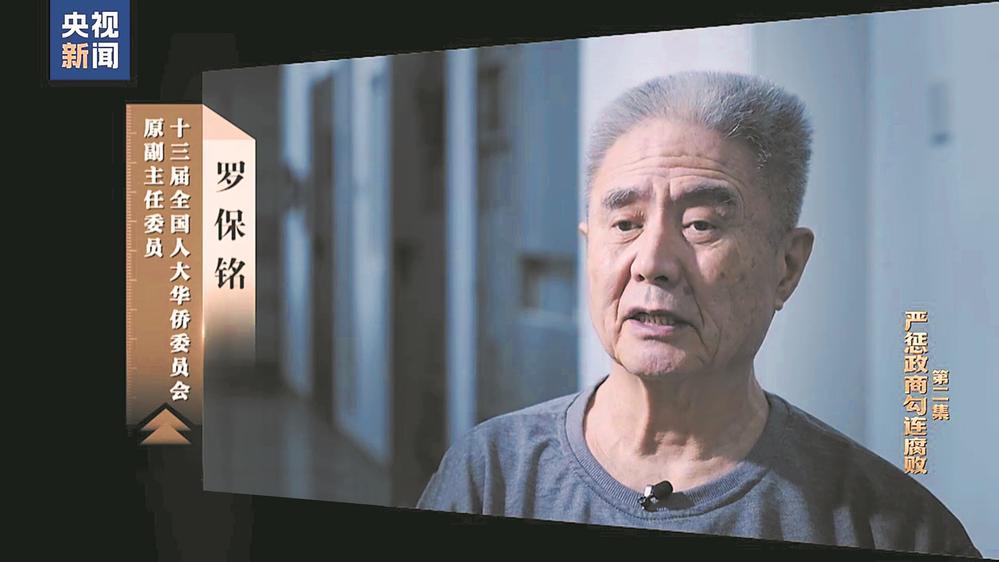
Core Viewpoint - The documentary series "Step Forward Without Retreat" highlights the corruption and misconduct of Xu Xianping, a former high-ranking official in China's National Development and Reform Commission, focusing on his exploitation of power for personal gain [1][3]. Group 1: Corruption and Misconduct - Xu Xianping is depicted as a typical case of using his retired status to continue leveraging influence for personal benefits, admitting to a lack of restraint and ethical considerations after retirement [3]. - He engaged in corrupt practices by facilitating business opportunities for associates, such as Huang Huan, who benefited from construction projects through Xu's influence, resulting in Xu receiving bribes amounting to several million yuan [3][4]. - Xu's methods included covertly arranging for family members to hold shares in companies, thereby creating a binding of interests between power and capital, which he believed to be discreet [4][6]. Group 2: Specific Cases of Corruption - In 2004, while serving as Vice Governor of Hunan Province, Xu developed a relationship with Fang Hong, the legal representative of a company, leading to Xu acquiring shares in the company under the guise of a market transaction, which was actually a hidden form of benefit transfer [4][5]. - Xu facilitated the growth of Fang's company through his official capacity, ultimately profiting from the sale of shares worth several million yuan after his retirement [4][6]. - Another significant case involved Chen Zhidong, a businessman who developed the Zhangjiajie Grand Canyon scenic area, where Xu helped secure loans and favorable conditions for Chen's company, leading to Xu receiving substantial profits from share buybacks [6][7].
严惩政商勾连腐败
Xin Lang Cai Jing· 2026-01-12 16:56
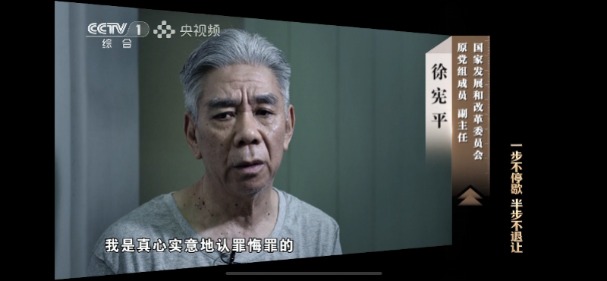
Core Viewpoint - The fight against corruption, particularly the collusion between politics and business, is a critical political task for the Chinese Communist Party, emphasizing the need for a clean political environment to ensure national security and economic development [1][2]. Group 1: Anti-Corruption Efforts - The central government has elevated anti-corruption to a strategic level, emphasizing a relentless approach to combat corruption and maintain political integrity [1]. - The current situation regarding corruption remains severe, with ongoing efforts to eliminate both existing and emerging corrupt practices, particularly in the context of political and economic intertwinement [2]. Group 2: Case Study of Luo Baoming - Luo Baoming, former Vice Chairman of the Overseas Chinese Committee, engaged in extensive corrupt practices that severely damaged the business environment in Hainan [3][4]. - His corrupt activities involved a complex network of political and business relationships, characterized by mutual benefit and deep entanglement with various business leaders [3][4][5]. - Luo's actions included accepting bribes through various means, such as property exchanges and inflated transactions, which distorted market dynamics and undermined fair competition [6][12]. Group 3: Political and Business Relationships - The phenomenon of "hometown networks" played a significant role in Luo's corrupt practices, where personal relationships facilitated the exchange of favors between officials and businesspeople [4][7]. - Luo's influence extended to appointing loyalists in key positions, ensuring that his interests were protected and promoted within the government [8][9]. Group 4: Consequences and Reforms - The repercussions of Luo's actions led to significant legal consequences, including a 15-year prison sentence for bribery, highlighting the government's commitment to punishing corruption [13]. - The case serves as a warning, prompting reforms aimed at improving the political ecosystem and business environment in Hainan, with a focus on establishing clear and clean relationships between government and business [13][14].
斩断政商勾结利益链条——评专题片《一步不停歇 半步不退让》第二集
Zhong Yang Ji Wei Guo Jia Jian Wei Wang Zhan· 2026-01-12 15:34
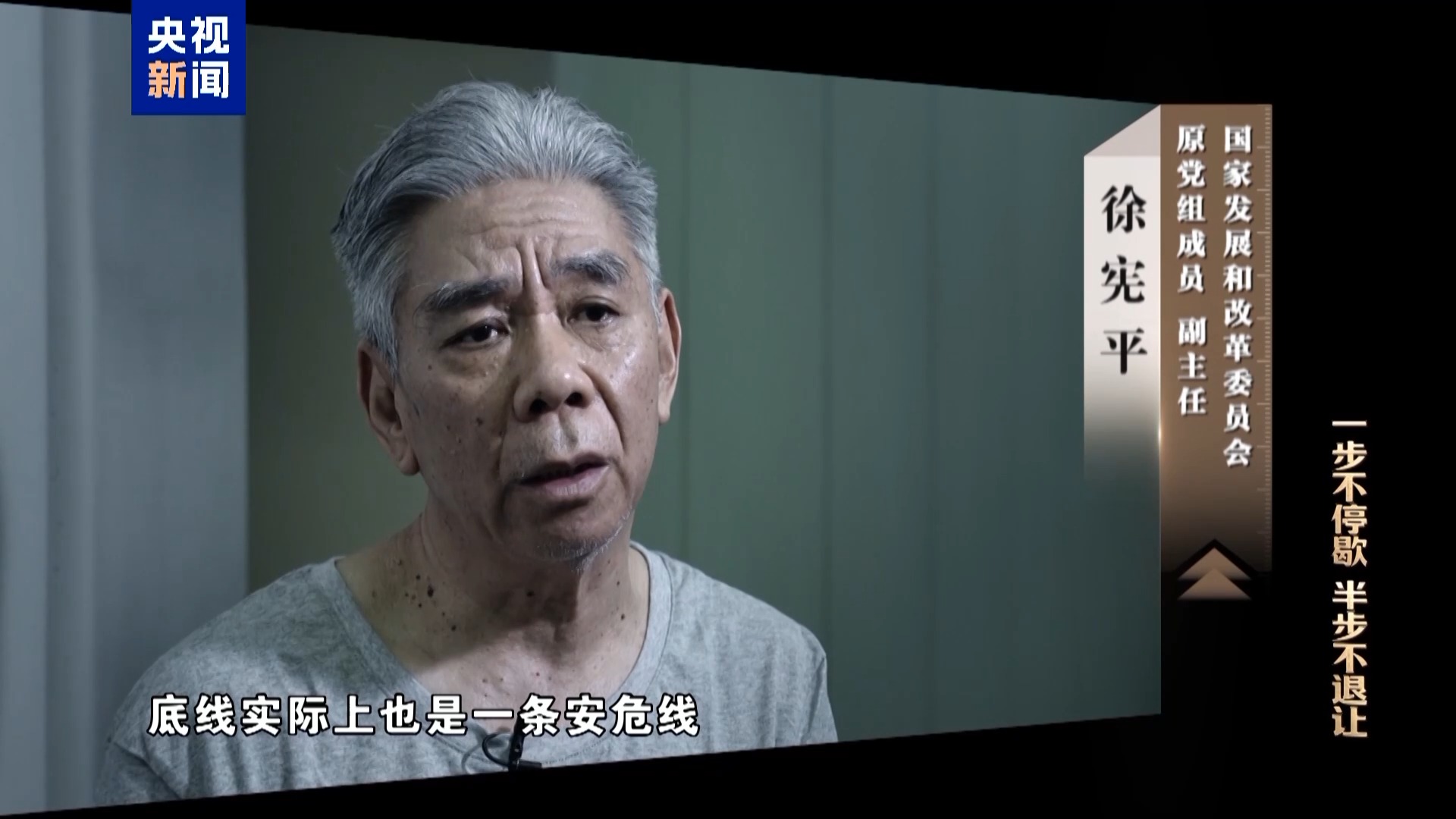
Core Viewpoint - The ongoing fight against corruption, particularly the collusion between government and business, is critical for maintaining a healthy political and economic environment, as highlighted in the recent documentary series. Group 1: Corruption Cases - The case of Luo Baoming, former Vice Chairman of the Overseas Chinese Committee, illustrates severe corruption involving collusion with businessmen, leading to significant negative impacts on local governance and economic conditions. He was sentenced to 15 years in prison for bribery [1] - Xu Xianping, former Deputy Director of the National Development and Reform Commission, exemplifies the misuse of power for personal gain, engaging in corrupt practices even after retiring from his official position [2][3] Group 2: Anti-Corruption Efforts - The disciplinary inspection and supervision agencies are intensifying their focus on new manifestations of government-business collusion, including illegal interference in economic activities and favoritism towards specific enterprises [2] - The documentary emphasizes the importance of creating a clean political environment to foster economic development, as expressed by various stakeholders who believe that a transparent system benefits all [4] Group 3: Impact on Society - The crackdown on corruption is seen as essential for protecting legitimate business interests and improving the overall market environment, which ultimately benefits society as a whole [4] - The commitment to anti-corruption efforts is viewed as a crucial factor in ensuring effective governance and economic growth, reinforcing the message that a clean political landscape is vital for sustainable development [4]
罗保铭主动为亲家“创造价值”,对方反过来送给罗家数千万元
券商中国· 2026-01-12 15:11
Core Viewpoint - The article emphasizes the importance of combating corruption, particularly the collusion between political and business entities, as a critical political task for the party to maintain a clean political environment and promote high-quality economic development [1][29]. Group 1: Case of Luo Baoming - Luo Baoming, former Vice Chairman of the Overseas Chinese Committee of the National People's Congress and former Secretary of the Hainan Provincial Party Committee, was involved in extensive corruption that severely damaged Hainan's business environment and political ecology [3][5]. - His corrupt activities spanned a long period and involved a complex network of political and business relationships, intertwining personal and family corruption with broader political issues [7][10]. - Luo's initial corrupt act occurred in the 1990s when he accepted a bribe of 500,000 yuan from a businessman while serving as the Director of the Tianjin Municipal Commercial Committee [8]. Group 2: Political and Business Collusion - Luo Baoming's case exemplifies the phenomenon of "bringing businessmen along" when officials are transferred, leading to entrenched political-business relationships that facilitate mutual benefits [8][10]. - The "hometown circle" is a notable feature of Luo's corruption, where local businessmen and officials leverage their connections for mutual gain, often leading to significant abuses of power [10][15]. - Luo's relationships with businessmen, such as Zhang, who sought favors for construction projects, illustrate how political influence was used to bypass regulations and secure illegal benefits [10][12]. Group 3: Family Involvement in Corruption - Luo Baoming's family members were also implicated in the corruption, receiving various benefits from businessmen, which further blurred the lines between personal and political interests [23][24]. - His daughter’s wedding expenses were covered by a businessman, showcasing the extent of the intertwining of personal and political corruption [23][29]. - Luo's in-laws also benefited from his political connections, receiving substantial financial gains through corrupt practices facilitated by Luo's influence [24][26]. Group 4: Consequences and Reforms - The case has prompted Hainan Province to take significant measures to address corruption, including enhancing political accountability and promoting a clean business environment [29][30]. - The article highlights the need for a healthy political ecology and business environment, akin to preserving natural resources, to ensure sustainable economic development [27][30]. - Luo Baoming was sentenced to 15 years in prison for bribery, and many individuals within his political-business circle faced severe penalties, reflecting a broader crackdown on corruption [29][30].
“带老板上任”,培植“老乡圈”,罗保铭贪腐细节曝光
Xin Lang Cai Jing· 2026-01-12 14:51
Core Viewpoint - The documentary emphasizes the importance of combating corruption and establishing a clean political environment, highlighting the severe consequences of political and business collusion, particularly through the case of Luo Baoming, a former high-ranking official in Hainan [1][15]. Group 1: Corruption and Political-Business Collusion - Luo Baoming, former Vice Chairman of the Overseas Chinese Committee of the 13th National People's Congress, was found to have created a complex network of political-business collusion during his tenure in Hainan, involving multiple businessmen and officials [1][3]. - The phenomenon of "bringing businessmen along" is a notable characteristic of current political-business corruption, where officials take trusted businessmen with them to new positions [3][8]. - Luo's connections with businessmen from Tianjin continued even after his transfer to Hainan, indicating a persistent pattern of mutual benefit and corruption [3][5]. Group 2: Methods of Corruption - Luo Baoming employed discreet methods to accept bribes, such as exchanging old properties for new ones to mask the transactions [5][11]. - He facilitated corrupt practices by placing loyal associates in key positions, ensuring that his directives were followed without question, particularly in the transportation sector [6][8]. - Luo's family members also became involved in corrupt activities, receiving various benefits from businessmen, which further blurred the lines between personal and political interests [9][11]. Group 3: Legal Consequences and Reforms - Luo Baoming was sentenced to 15 years in prison for bribery, and many individuals within his political-business circle faced legal repercussions as well [15][17]. - The case has prompted Hainan Province to implement reforms aimed at improving the political ecosystem and business environment, focusing on eliminating corruption and fostering transparent relationships between officials and businesses [17][18].
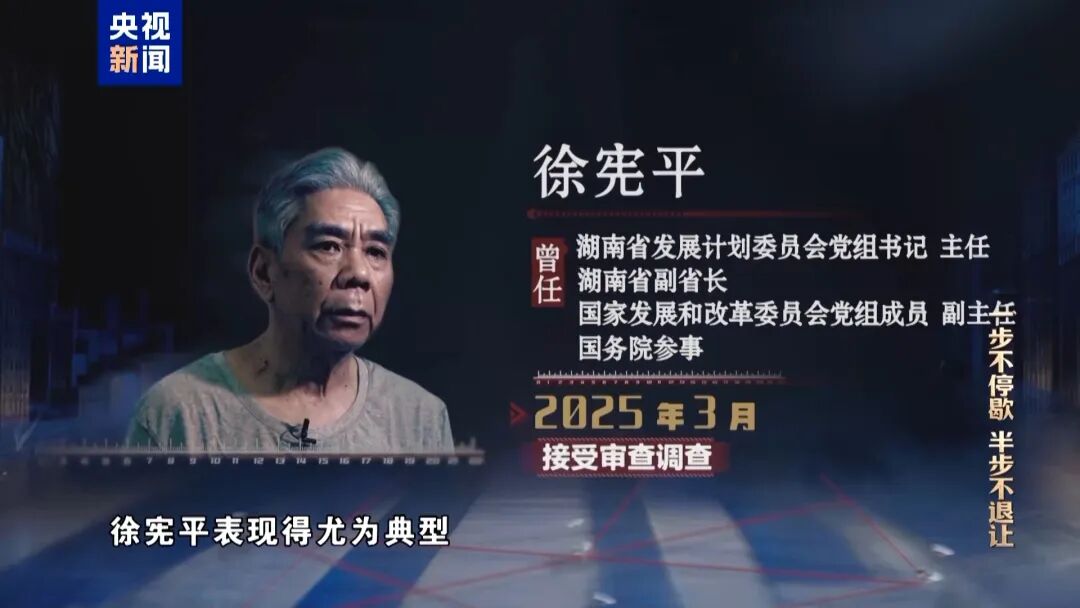
“用8万认购价值约300万的股权”,徐宪平贪腐细节披露
Zhong Guo Xin Wen Wang· 2026-01-12 14:02
Core Viewpoint - The news reveals the corruption details of Xu Xianping, a former high-ranking official in China's National Development and Reform Commission, highlighting his misuse of power for personal gain through connections in the business sector [1][11]. Group 1: Background and Roles - Xu Xianping held various significant positions, including Deputy Director of the National Development and Reform Commission and Vice Governor of Hunan Province, before retiring in 2015 and later being investigated in 2025 [1]. - After stepping down, Xu maintained a presence in economic management, engaging in activities that kept him connected with both political and business circles [3]. Group 2: Corruption Mechanisms - Xu utilized his influence to create a platform for personal gain, viewing his post-retirement engagements as opportunities to foster relationships that would benefit him financially [4]. - He cultivated a relationship with Huang Huan, a friend’s nephew, who acted as a "housekeeper" for Xu's family, facilitating various services and projects that ultimately benefited Xu financially [6]. Group 3: Financial Transactions and Benefits - Xu engaged in a scheme where he subscribed to a 5% equity stake in a tourism company valued at approximately 3 million yuan, paying only 80,000 yuan, effectively binding long-term interests between himself and the business [9]. - The arrangement with businessman Chen Zhidong exemplified a typical power-money transaction, where Xu's family received benefits in exchange for Xu's assistance in business matters [11].
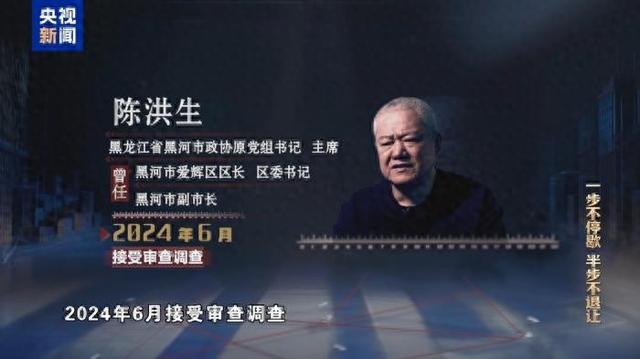
1元钱承包1亩地、拿国家资金创业,陈洪生“贪腐林场”细节曝光
Xin Lang Cai Jing· 2026-01-12 13:53
Core Viewpoint - The news highlights the corruption case of Chen Hongsheng, former chairman of the Political Consultative Conference in Heihe City, Heilongjiang Province, revealing his misuse of public resources for personal gain through a series of fraudulent schemes [1][3]. Group 1: Corruption Details - Chen Hongsheng utilized his position to create a personal business empire, starting with the establishment of a forestry company through his brother-in-law, while he remained in the background [3][4]. - He manipulated local government resources to develop infrastructure for his company, which was then leased at a nominal fee of 1 yuan per acre for 70 years, effectively allowing him to control valuable land [4][5]. - Over 16 years, Chen formed a "corruption complex" by collaborating with unscrupulous businessmen and corrupt officials, leading to significant negative impacts on local governance and community trust [4][6]. Group 2: Financial Mismanagement - Chen attempted to cultivate various crops, including strawberries, using over 200,000 yuan in state funds, but the ventures failed due to poor planning and lack of expertise, resulting in a total loss of public money [5][6]. - His subsequent projects, including a private deer farm on land meant for endangered species, also ended in failure, leaving behind abandoned facilities and wasted investments [7][8]. Group 3: Legal Consequences - In December 2024, Chen was expelled from the Party, and his criminal activities were referred to the prosecutorial authorities for legal action, with all illicit gains being recovered [9].

退休不是“保险箱” 用“余威”谋利终落马
Xin Lang Cai Jing· 2026-01-12 12:51
Group 1 - The article discusses the ongoing anti-corruption efforts in China, emphasizing the need to remain vigilant against new forms of political-business collusion that have become more covert and sophisticated [1] - It highlights the case of Xu Xianping, a former high-ranking official, who exemplifies the issue of retired officials leveraging their influence for personal gain [5][36] - The article outlines various methods used by Xu to engage in corrupt practices, including using family members and associates to mask transactions and maintain a facade of legitimacy [14][20][34] Group 2 - Xu Xianping's case illustrates the risks associated with retired officials who continue to exert influence in business, potentially undermining fair market practices [12][32] - The article details specific instances of Xu facilitating business opportunities for associates in exchange for personal benefits, showcasing a pattern of long-term collusion [29][30] - It concludes with a call for stricter oversight and education for retired officials to prevent corruption and maintain integrity within the political system [41][43]