
故乡

Search documents
哪一面是故乡
Xin Lang Cai Jing· 2026-02-25 18:57
Group 1 - The narrative reflects a sense of nostalgia and connection to one's roots through the experience of visiting familiar places and enjoying local cuisine [1][3] - The protagonist experiences a renewed perspective on their hometown, discovering new aspects that were previously overlooked [2][4] - The interactions with local vendors and friends highlight the importance of community and daily life in shaping one's identity and sense of belonging [4] Group 2 - The emotional response to returning home is emphasized, illustrating how familiar sights and tastes can evoke strong memories and feelings [3][4] - The description of local food and gatherings serves as a metaphor for the deeper connections to culture and heritage [1][3] - The journey through the city symbolizes a broader exploration of personal history and the layers of one's identity [2][4]
回到故乡 用乡音乡情慰藉心灵
Xin Lang Cai Jing· 2026-02-06 16:47
Group 1 - The article highlights the emotional connection people have with their hometowns, especially as they leave for urban areas, leading to a sense of nostalgia and longing for their roots [1][2][3] - The narrative of a man bidding farewell to his old home resonates with many, illustrating the deep-seated feelings associated with leaving one's hometown [1][3] - The concept of hometown is portrayed as a cultural symbol and a repository of memories, emphasizing its significance in shaping individual identities and emotional well-being [2][3] Group 2 - The article references classical literature, such as works by Lu Xun and ancient texts, to underscore the timeless nature of feelings associated with one's hometown [2][3] - It discusses the psychological impact of distance on the emotional ties to one's hometown, suggesting that the longer one is away, the stronger the feelings of attachment become [3] - The upcoming Spring Festival is mentioned as a time for family reunions, further highlighting the importance of returning to one's roots and the emotional significance of these gatherings [3]
把自己当成故乡的一枚“邮票”
Xin Lang Cai Jing· 2026-01-15 16:20
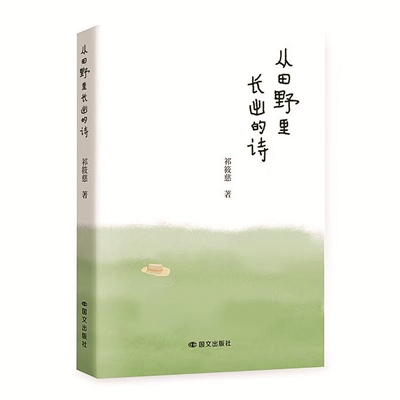
Core Perspective - The article discusses the poetry collection "Poems Grown from the Fields" by Qi Xiaoci, emphasizing the theme of longing for one's hometown and the unique perspective of those who remain in their hometowns, contrasting with the experiences of those who leave [2][3]. Group 1: Themes of the Poetry Collection - Qi Xiaoci's poetry adopts the metaphor of a postage stamp, representing her connection to her hometown while maintaining a certain distance, which creates tension and beauty in her writing [3]. - The collection reflects various aspects of life in her hometown, including the poet's rural existence, interpersonal relationships in a small town, and her inner reflections and confusions [3][4]. - The poems convey a blend of emotions, including happiness, sadness, rebellion, and nostalgia, portraying the hometown as a continuous narrative and a long poem [3]. Group 2: Emotional and Natural Elements - The poetry captures the essence of rural life, with imagery of nature and the cyclical process of growth and decay, symbolizing the connection between the poet and her environment [4]. - Qi Xiaoci's work is characterized by a lack of excessive sentimentality, focusing instead on natural feelings and the authenticity of her experiences in her hometown [4]. - The collection aims to resonate with readers, allowing them to see reflections of their own hometowns through her verses, thus creating a shared emotional experience [4].

所有的力量,来自故乡
Xin Lang Cai Jing· 2026-01-13 07:26
Core Viewpoint - The article discusses the literary contributions of Peng Jianrong, emphasizing his focus on the lives of ordinary people in his novel "The Stories of Hubei Bay" and his unique narrative style that captures the essence of his hometown [1][4]. Group 1: Literary Contributions - Peng Jianrong's writing reflects a deep connection to his hometown, Hubei Bay, showcasing the real lives of its residents [1][4]. - His narrative style emphasizes artistic details, focusing on character development and the subtleties of everyday life rather than traditional plot structures [2][3]. Group 2: Artistic Philosophy - The article highlights the debate surrounding the form of short stories in Chinese literature, with a consensus on the importance of beautiful language and concise storytelling [2]. - Peng Jianrong's approach aligns with the belief that the artistry of short stories lies in the handling of details, allowing for rich character portrayals [2][3].
那缕炊烟深藏于心中
Xin Lang Cai Jing· 2025-12-30 17:07
Core Viewpoint - The essence of the article revolves around the nostalgic and emotional connection to the smoke rising from the chimneys in the hometown, symbolizing warmth, memories, and the passage of time. Group 1: Description of Smoke - The smoke is described as a poetic expression from the earth to the sky, representing the village's steady and long-lasting breath [1] - Different seasons bring unique characteristics to the smoke: playful in spring, lazy in summer, joyful in autumn, and substantial in winter [1] - Winter smoke is particularly impactful, symbolizing resilience and warmth, guiding one back home [1] Group 2: Childhood Memories - Childhood memories are tied to the warmth of smoke, with activities like making small fires and roasting sweet potatoes, creating a sense of joy and togetherness [2] - The act of tending to the fire and cooking evokes a sense of nostalgia and connection to family traditions [2] Group 3: Reflection on Time and Home - Over the years, the hometown and its smoke have remained a constant source of connection, linking the past with the present [3] - The imagery of smoke rising in the morning fog signifies the continuity of life and the enduring memories associated with the village [3]