数字孪生建造

Search documents
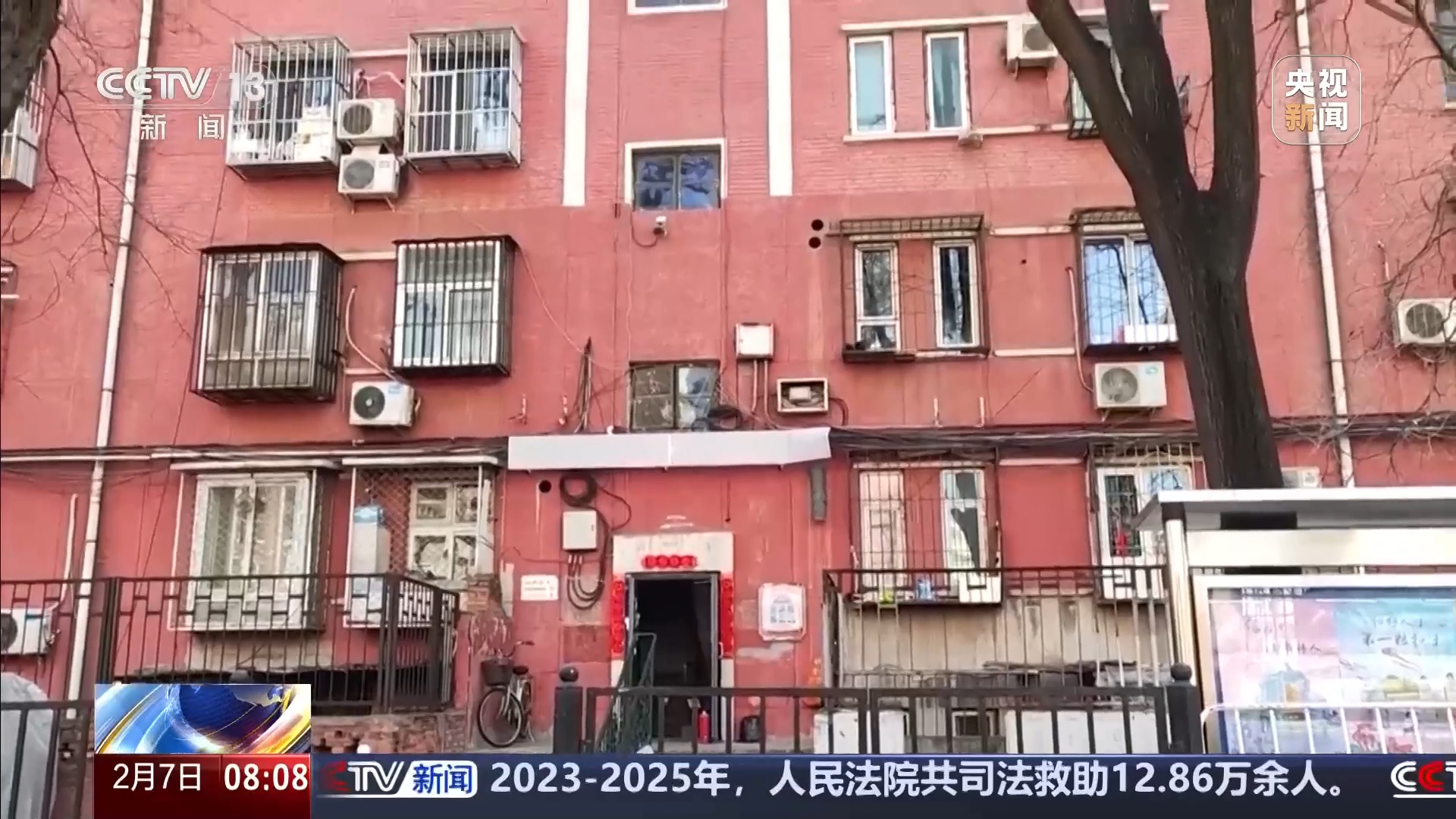
新春走基层丨从危房到新居 “原拆原建”解锁老房改造新方式
Yang Shi Xin Wen Ke Hu Duan· 2026-02-08 02:00
Core Viewpoint - The article discusses the successful reconstruction of a dilapidated residential building in Beijing's Xicheng District, highlighting innovative construction methods and community involvement in the process [1][5]. Group 1: Background and Context - The building, previously a dangerous structure built in the late 1970s, faced significant issues such as aging infrastructure, gas leaks, and inadequate heating [3]. - National policies have begun to support the autonomous renewal of old housing, leading to the building becoming a pilot project for "original demolition and reconstruction" in Xicheng District [5]. Group 2: Construction Process - The project involved extensive planning, with the local street office working for months to finalize a renovation plan, resulting in 45 different versions of the proposal [7]. - A new construction method was adopted, reducing the building period by approximately 75% compared to traditional methods [11]. - The construction team utilized a digital twin approach, breaking the building down into 156 concrete modules, with about 90% of the construction processes completed in a factory before being assembled on-site [13]. Group 3: Community Impact - Residents expressed joy upon receiving their new keys and property documents, indicating a positive transformation in their living conditions [18]. - The community is eager to collaborate on further improvements for the new building, reflecting a proactive approach to enhancing their living environment [20].