老旧住房原拆原建

Search documents
新春走基层丨从危房到新居 “原拆原建”解锁老房改造新方式
Yang Shi Xin Wen Ke Hu Duan· 2026-02-08 02:00
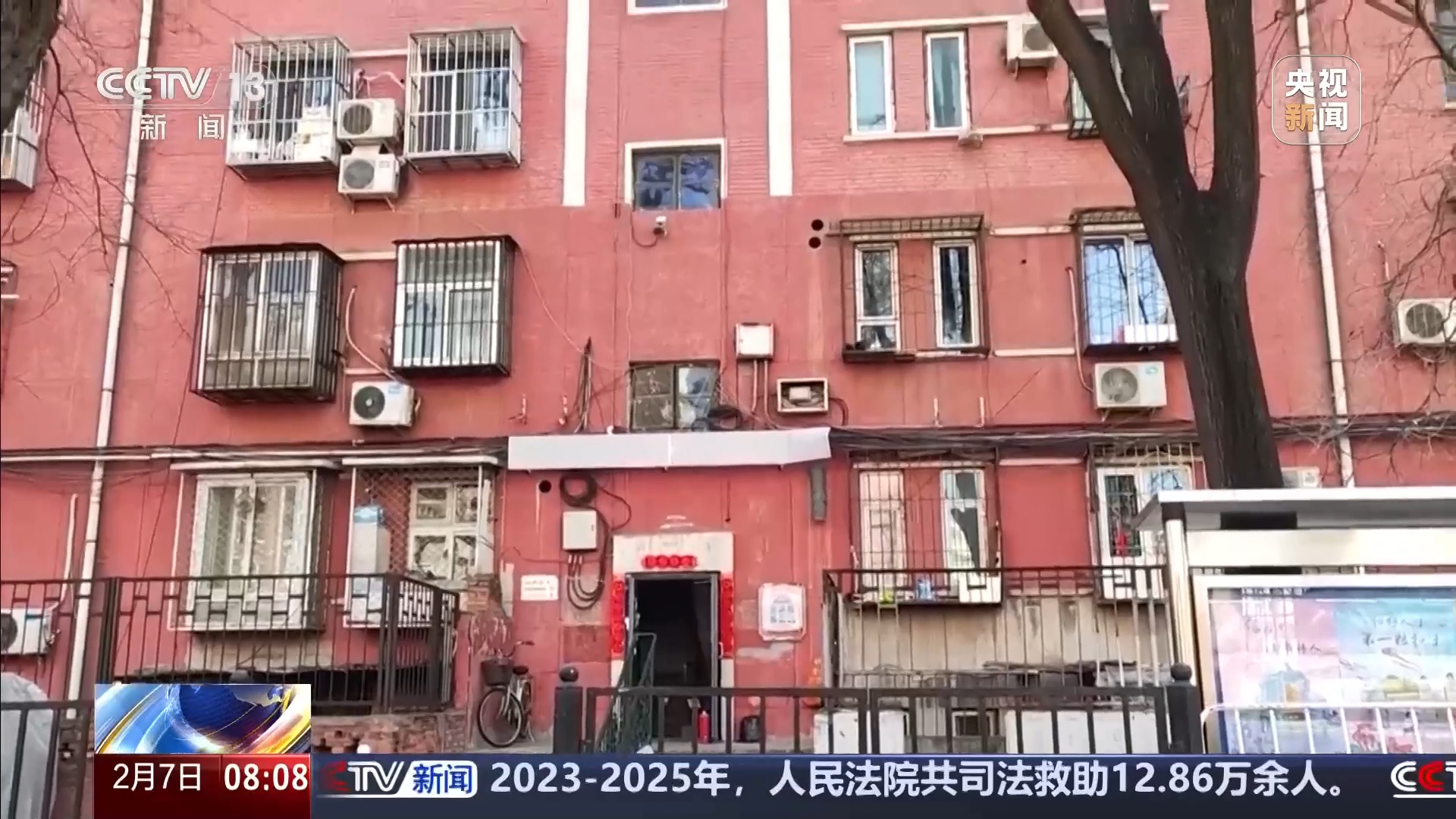
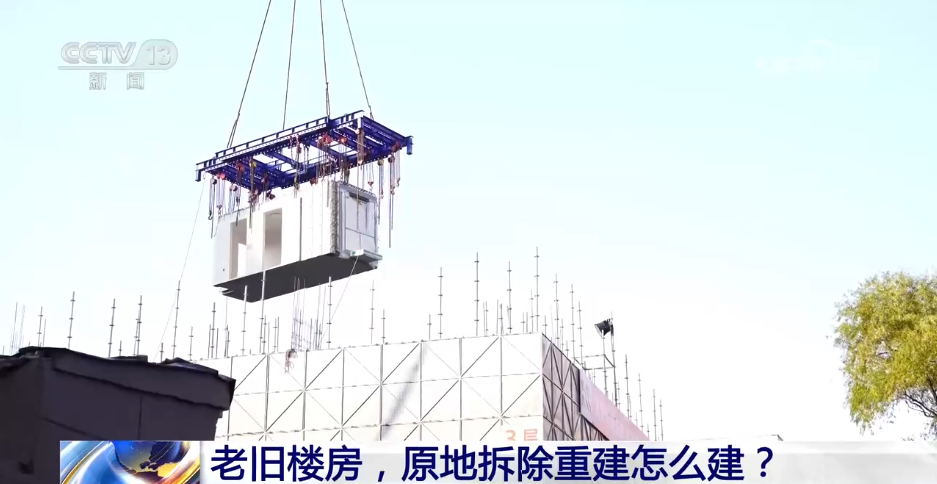
Core Viewpoint - The article discusses the successful reconstruction of a dilapidated residential building in Beijing's Xicheng District, highlighting innovative construction methods and community involvement in the process [1][5]. Group 1: Background and Context - The building, previously a dangerous structure built in the late 1970s, faced significant issues such as aging infrastructure, gas leaks, and inadequate heating [3]. - National policies have begun to support the autonomous renewal of old housing, leading to the building becoming a pilot project for "original demolition and reconstruction" in Xicheng District [5]. Group 2: Construction Process - The project involved extensive planning, with the local street office working for months to finalize a renovation plan, resulting in 45 different versions of the proposal [7]. - A new construction method was adopted, reducing the building period by approximately 75% compared to traditional methods [11]. - The construction team utilized a digital twin approach, breaking the building down into 156 concrete modules, with about 90% of the construction processes completed in a factory before being assembled on-site [13]. Group 3: Community Impact - Residents expressed joy upon receiving their new keys and property documents, indicating a positive transformation in their living conditions [18]. - The community is eager to collaborate on further improvements for the new building, reflecting a proactive approach to enhancing their living environment [20].

新春走基层 | “优”居!百姓“家门口”拥抱美好春天
Yang Shi Wang· 2026-02-07 02:16
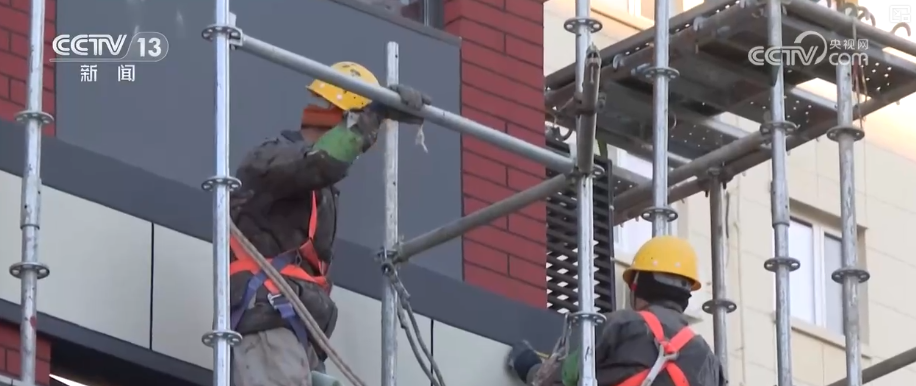
Core Viewpoint - The article highlights the successful reconstruction of a dilapidated residential building in Beijing's Xicheng District, showcasing a rapid transformation from an old, unsafe structure to a modern living space through innovative construction methods and community involvement [4][18]. Group 1: Project Overview - The project involved the reconstruction of Building 28 in Sanlihe, which was previously a dangerous building from the late 1970s, with significant structural issues and outdated facilities [4][12]. - The building's reconstruction was part of a national policy initiative supporting the autonomous renewal of old housing, making it the second pilot project in Xicheng District for "original demolition and reconstruction" [4][12]. Group 2: Construction Methodology - The construction team adopted a new building method that reduced the construction period by approximately 75% compared to traditional methods, addressing concerns about noise and disruption [7][9]. - The building was deconstructed into 156 concrete modular units, covering six different layouts, with about 90% of the construction processes, including structural work and installations, completed in a factory setting before being transported to the site for assembly [9][11]. Group 3: Community Impact - Residents expressed immense satisfaction with their new homes, which feature modern amenities and improved living conditions, marking a significant upgrade from their previous living environment [4][12][16]. - The successful completion of the project has fostered a sense of community among residents, who are now looking forward to enhancing their new living space and contributing to the neighborhood's future [12][18].
原地拆除老旧楼房后,重建该怎么建?
Yang Shi Xin Wen· 2025-11-26 03:25
Core Viewpoint - The article discusses the challenges and processes involved in the "original demolition and reconstruction" policy for old housing in Beijing, highlighting the importance of resident consensus and financial arrangements for successful implementation [1][2]. Group 1: Challenges in Old Housing Reconstruction - The most difficult aspect of the reconstruction process is achieving unanimous consent from all residents, as each household has different needs and concerns [1]. - The project in Xicheng District serves as a pilot for the renovation of dilapidated buildings, requiring multiple rounds of consultation and feedback from residents before finalizing plans [1]. Group 2: Financial Arrangements - The financial model for the project involves residents covering 60% of the costs while the government contributes 40%, based on a subsidy of 5,786 yuan per square meter for the original area [2]. - Future projects may adopt a "who benefits pays" principle, potentially leading to scenarios where residents bear the full cost of their housing updates [2]. Group 3: Improving Decision-Making Efficiency - Achieving a high level of resident satisfaction and participation in decision-making is crucial for the success of the reconstruction projects [3]. - The article suggests exploring new mechanisms to address dissenting residents, such as buying out properties from those unwilling to participate in the reconstruction [3]. Group 4: Reducing Financial Burden on Residents - Financial support options are essential for residents who cannot afford the upfront costs of reconstruction, similar to mortgage loans for home purchases [5]. - Government support can take various forms, including direct subsidies or financing options, to alleviate the financial burden on residents [6]. - The involvement of social capital may also be considered if the scope of self-renovation expands, providing additional funding avenues [6].
原地拆除老旧楼房 重建怎么建?
Yang Shi Xin Wen Ke Hu Duan· 2025-11-24 23:12
Core Viewpoint - The article discusses the ongoing efforts in Beijing's Xicheng District to implement a policy supporting the autonomous renewal of old housing through "original demolition and reconstruction" projects, highlighting the challenges faced in achieving resident consensus and funding gaps [1][3]. Group 1: Project Overview - The "Sanlihe District No. 28 Building" project is a pilot for the renovation of dilapidated buildings, initiated in 2023, involving multiple stages including resident consultation and design [3][4]. - Achieving unanimous agreement from all 54 households is identified as the most challenging aspect of the project, which is crucial for the successful implementation of the renovation [4][5]. Group 2: Funding Structure - The funding model for the project indicates that residents will cover 60% of the costs while the government will contribute 40%, based on a subsidy of 5,786 yuan per square meter for the original area [4][5]. - Future projects may shift towards a model where residents bear 100% of the costs for their housing updates, following the principle of "who benefits pays" [5]. Group 3: Decision-Making and Coordination - Effective decision-making relies on resident participation, with the need for various coordination methods to address differing opinions among residents [6]. - The article suggests exploring new mechanisms to address dissenting residents, such as potential buyouts of their properties for renovation and rental purposes [6]. Group 4: Financial Support Mechanisms - To alleviate the financial burden on residents, the article proposes several support mechanisms, including loan options for renovations, government financial assistance, and the involvement of social capital for broader project scopes [9].
新闻1+1丨老旧楼房,原地拆除重建怎么建?
Yang Shi Wang· 2025-11-24 21:55
Core Viewpoint - The article discusses the challenges and processes involved in the "original demolition and reconstruction" policy for old housing in Beijing, highlighting the importance of resident consensus and financial arrangements for successful implementation [1][3]. Group 1: Challenges in the Reconstruction Process - The most difficult aspect of the early stages of the reconstruction is achieving unanimous agreement among residents, which is crucial for the project's success [3]. - The project involves multiple stages, including resident opinion surveys and iterative design processes based on feedback [1][3]. Group 2: Financial Arrangements - The financial model for the "Sanlihe District No. 28 Building" project indicates that residents will cover 60% of the costs while the government will cover 40% [4][6]. - Residents receive a subsidy of 5,786 yuan per square meter for their original area, with the remaining costs being the residents' responsibility [4][6]. Group 3: Future Considerations - Future projects may adopt a "who benefits, who pays" principle, potentially leading to scenarios where residents fully fund their housing updates [6]. - The article suggests exploring mechanisms to address dissenting residents, such as buying their properties for renovation and rental [9][10]. Group 4: Enhancing Decision-Making Efficiency - Effective coordination among residents is essential, with various levels of government and professional institutions playing a role in facilitating discussions [7]. - The article emphasizes the need for mechanisms to soothe residents who do not agree with the reconstruction plans [9]. Group 5: Financial Support for Residents - The article outlines the necessity for financial support options, including loans for renovation, government assistance, and potential involvement of social capital for broader projects [11][13]. - The primary principle remains that residents should be the main contributors to funding their housing updates, supplemented by various support mechanisms [11][13].
原拆原建,老房子“变身”好房子
Ren Min Wang· 2025-09-21 02:48
Core Viewpoint - The Chinese government has issued new guidelines to support the renovation and reconstruction of aging residential buildings, aiming to enhance urban quality and meet the needs of citizens for better living conditions [1][2]. Group 1: Policy Initiatives - The central government encourages "self-renovation and original demolition and reconstruction" of old housing to improve living standards and reduce financial burdens on local governments [1]. - Local governments are exploring various funding methods, such as establishing community renewal funds and issuing special local government bonds to finance these renovations [1]. Group 2: Implementation and Community Involvement - Different regions are adopting a framework of "resident autonomy + market participation + policy support" to facilitate the renovation process, with some areas allowing for negotiation and administrative mediation in case of disagreements [2]. - From 2019 to 2024, approximately 280,000 old residential communities are expected to undergo renovation, benefiting around 48 million households and over 120 million people [2]. Group 3: Community Impact - The renovation efforts include minor improvements such as pipeline upgrades, additional parking spaces, and elevator installations, which enhance the daily lives of residents [2]. - These initiatives not only improve living conditions but also foster community cohesion and strengthen neighborhood relationships, reflecting a people-centered approach to urban governance [2].
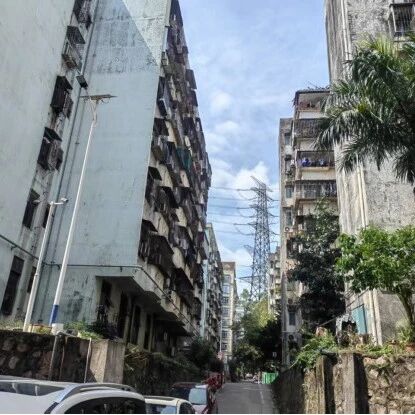
深圳首例居民自筹资金旧改项目,进展如何?记者实探→
证券时报· 2025-09-03 13:27
Core Viewpoint - The article discusses the recent release of the "Opinions on Promoting High-Quality Urban Development" by the Central Committee of the Communist Party of China and the State Council, emphasizing the support for the self-renovation of old housing and the transformation of old communities, which has garnered significant attention [1]. Group 1: Urban Renewal Initiatives - The article highlights the ongoing exploration of urban renewal across various regions, with a focus on successful cases of residents self-renovating old housing [1][3]. - In Shenzhen, the Honggang Garden case of self-funded renovation has been particularly noted, with a high consent rate for renovation intentions exceeding 90% in many buildings [2][3]. - Despite the high consent rates, residents express concerns over the lack of progress in the renovation process, citing unresolved issues such as funding sources and design challenges [3]. Group 2: Policy and Guidance - The article references the guidance issued by the Zhejiang Provincial Housing and Urban-Rural Development Department, which allows residential communities to form self-renovation committees to submit renovation applications based on broad owner consensus [6]. - Analysts suggest that the self-funded urban renewal model could inspire other cities, as it minimizes risks for developers and better meets residents' renovation needs [8]. Group 3: Challenges and Future Directions - The article identifies several challenges in the self-renovation process, including unifying owner opinions, securing funding, and ensuring residents' rights [8][10]. - Successful examples of urban renewal projects are emerging, such as the original demolition and reconstruction project in Guangzhou, which is progressing well [8]. - Experts emphasize the need for government guidance and policy support to facilitate the renovation process, including land use changes and planning adjustments [9][10].