数据可用性

Search documents
就在今天!以太坊进行“Fusaka 升级”,继续“扩容和提效”,强化链上结算能力
Hua Er Jie Jian Wen· 2025-12-04 00:57
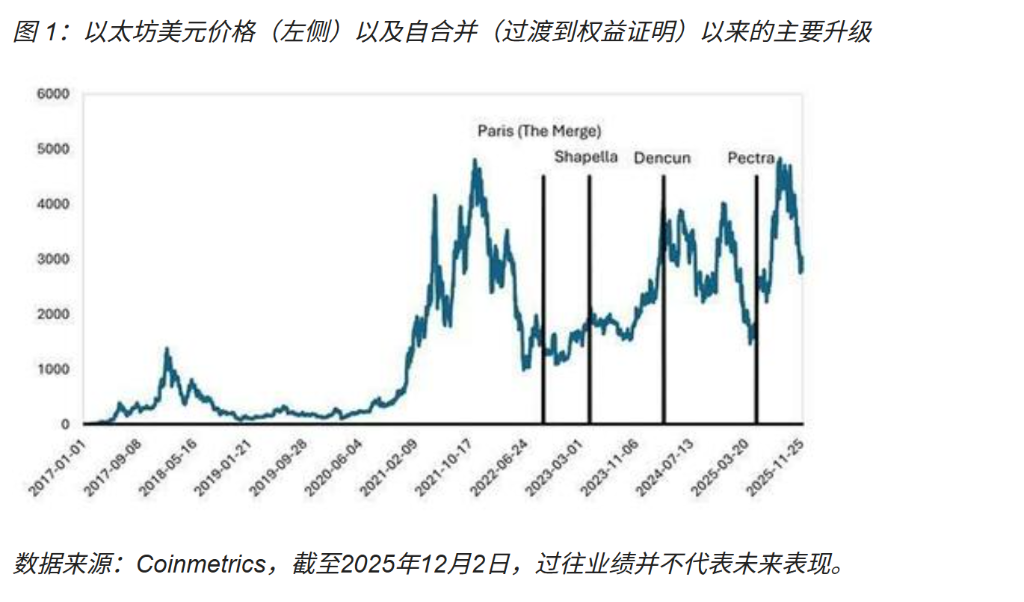
Core Insights - Ethereum is executing a critical network upgrade named "Fusaka," aimed at significantly enhancing data capacity and optimizing protocol efficiency to lower Layer-2 transaction costs and solidify its position as a global settlement layer [1][2] - The Fusaka upgrade is scheduled to be activated on December 3, 2025, at block height 13,164,544, following the Dencun and Pectra upgrades [1] - The upgrade introduces "PeerDAS" technology, which theoretically increases Layer-2 network data capacity by 8 times, thereby improving transaction throughput and reducing user transaction fees [3][7] Upgrade Details - The Fusaka upgrade synchronously activates the consensus layer "Fulu" and execution layer "Osaka," focusing on three main areas: enhancing Layer-2 data capacity, optimizing fee mechanisms, and improving user experience [4][6] - Key features of the upgrade include the introduction of the "only Blob parameters" (BPO) fork mechanism for flexible future capacity increases, and optimizations for Layer-1 performance through features like storage expiration and block control [3][6] Layer-2 Focus - Ethereum's design philosophy prioritizes decentralization and security at Layer-1, leading to high transaction fees and slow confirmation times as demand for decentralized applications grows [5] - The "Rollup-centric" roadmap shifts most transaction processing to Layer-2 networks, allowing for off-chain execution and compressed data publication back to Layer-1 for final settlement [5] PeerDAS Technology - PeerDAS addresses data availability issues by allowing nodes to download only a fraction (approximately 1/8) of the total data, significantly reducing resource requirements and enabling an estimated 8-fold increase in data capacity [7] BPO Fork Mechanism - The BPO fork mechanism allows for lightweight updates to Blob-related parameters, enabling more frequent and safer deployments to gradually increase data capacity without major upgrades [10] Fee Market Stability - The introduction of a "base price" mechanism for Blob fees aims to ensure that fees reflect economic value and maintain market sensitivity to network congestion, providing a more stable pricing environment for Layer-2 [11]