数据闭环能力

Search documents
美敦力双线出击:手术机器人战场迎来“系统级”角力
机器人大讲堂· 2026-02-18 04:01
Core Insights - Medtronic has made significant advancements in the surgical robotics field with the FDA approval of its spinal robot platform Stealth AXiS and the successful commercial surgeries using the Hugo RAS system, indicating a shift in competition from single-device functionality to integrated system capabilities and data management [1][4][7]. Group 1: Spinal Robotics - The Stealth AXiS system represents a qualitative leap in Medtronic's spinal robotics, integrating preoperative planning, intraoperative navigation, and robotic execution into a seamless platform [4]. - The innovative LiveAlign technology allows for real-time tracking of anatomical changes during surgery, addressing the core challenge of dynamic anatomical displacement, thus enhancing surgical precision and reducing radiation exposure [6]. Group 2: Soft Tissue Robotics - The Hugo system's successful implementation in a prostatectomy at the Cleveland Clinic demonstrates its viability in top-tier medical institutions and reflects Medtronic's commitment to personalized medicine [7][9]. - Hugo's modular design offers flexibility in configuration, making it more appealing for outpatient surgical centers, while Medtronic's comprehensive product offerings across various surgical modalities enhance customer loyalty [9]. Group 3: AiBLE Ecosystem - Medtronic's AiBLE intelligent ecosystem connects the spinal and soft tissue robotics, positioning both systems as integral data nodes within a larger digital infrastructure that supports continuous improvement through data feedback [10]. - The competitive landscape is shifting, with Medtronic's emphasis on addressing uncertainties in surgery through advanced technologies like LiveAlign, contrasting with the closed systems of competitors like Intuitive Surgical [10].


解读:世界化学领域10大“黑科技”,引发科学仪器革命
仪器信息网· 2025-11-04 09:08
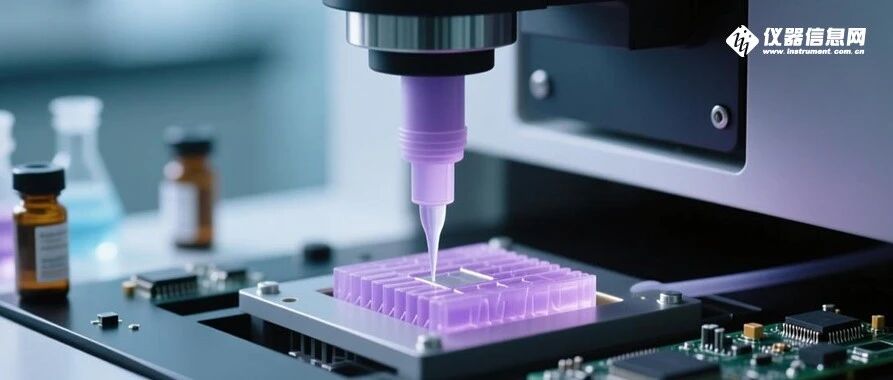
Core Viewpoint - The article discusses the emerging technologies in the field of chemistry as identified by IUPAC, highlighting their potential impact on scientific instruments and market trends, particularly in addressing climate change, sustainable supply chains, and human health solutions [3][21]. Group 1: Emerging Technologies - **Xolography**: This technology utilizes 3D printing to create ultra-precise microfluidic chips, doubling the speed of chromatography/gas analysis and reducing costs by 60%. It enhances separation efficiency by three times and decreases solvent consumption by 50% [5]. - **Carbon Dots**: These ultra-bright fluorescent nanoparticles improve spectral detection sensitivity by 1000 times, allowing for lower detection limits in Raman spectroscopy and enhancing signal-to-noise ratios in NMR by 20 times. They also replace traditional organic dyes, leading to a 40% reduction in global spectral reagent costs by 2025 [6]. - **Nanochain Biosensors**: These sensors can capture biomolecules rapidly, reducing breath analysis time from 30 minutes to 3 minutes. They enhance detection efficiency by ten times and improve specificity in infrared spectroscopy [7]. - **Synthetic Cells**: This technology automates the modeling of complex biological data, reducing data redundancy by 70% and improving the accuracy of structural analysis in NMR [8][9]. - **Single Atom Catalysis**: By breaking catalysts down to single atoms, this technology enhances the lifespan and selectivity of chromatography columns, increasing separation speed by three times and reducing background noise in mass spectrometry by 50% [10][11]. - **Thermogel Polymers**: These temperature-sensitive gels automate gradient elution in chromatography, shortening analysis time by 40% and enhancing dynamic detection stability in gas analysis [12]. - **Additive Manufacturing**: This 3D printing technology allows for the customization of core components in scientific instruments, reducing costs by 70% and manufacturing time significantly [13]. - **Multimodal Foundation Models**: These AI models can automate spectrum reading, reducing analysis time from 2 hours to 2 minutes with a 99.5% accuracy rate, thus lowering the operational threshold for users [14][15]. - **Direct Air Capture**: This technology captures high-purity CO₂ from the air, improving calibration accuracy for gas analyzers and enhancing the reliability of carbon trading equipment [16][17]. - **Electrochemical Carbon Capture and Conversion**: This method allows for simultaneous CO₂ capture and analysis, improving detection precision to 0.01% and optimizing ionization efficiency in mass spectrometry [18][19]. Group 2: Market Implications - The emergence of these technologies indicates a shift in the competitive landscape of the scientific instrument industry, moving from hardware specifications to data integration capabilities, particularly involving AI and sensor technologies [20]. - The IUPAC initiative aims to showcase innovative technologies that can significantly impact global chemistry and industry, promoting sustainable development goals [21][22].