文农旅融合

Search documents
山东邹平:特色产业筑基 文农旅融合发展绘新卷
Zhong Guo Xin Wen Wang· 2025-11-21 06:19
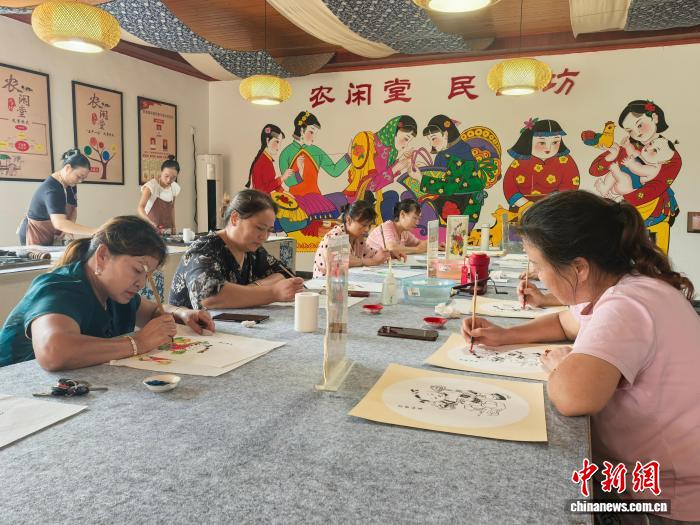
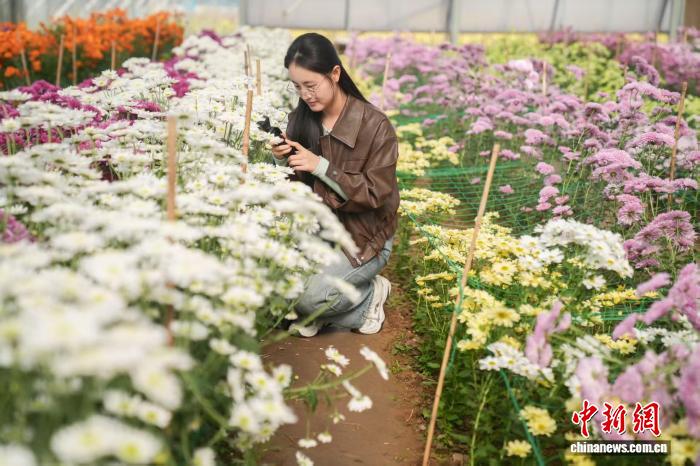
Core Insights - The article highlights the integration of agriculture, culture, and tourism in Zhou Ping, Shandong, showcasing a high-quality rural revitalization path through distinctive industries and cultural tourism [1][5]. Summary by Sections Agricultural Development - The Bafang Farm in Changshan Town has introduced 200 varieties of chrysanthemums, creating a "Chrysanthemum Festival" that has attracted approximately 80,000 visitors this year [2]. - The farm's chrysanthemum planting yields 1,000 pounds per acre, with an economic benefit of around 10,000 RMB per acre [2]. Cultural and Tourism Integration - Qiao Family Village has developed a model combining intangible cultural heritage workshops and unique homestays, generating an annual cultural income of 150,000 RMB [2][3]. - The village has invested 10 million RMB to transform idle old houses into heritage workshops and educational bases, with 80 units currently in use [3]. Industry and Economic Impact - The Ai Cao Industry Park has developed over 20 products from mugwort, increasing the added value by more than ten times [4]. - The park collaborates with local schools to create an educational base, receiving over 3,000 students for hands-on experiences related to mugwort culture [4]. Overall Development Strategy - Zhou Ping is leveraging its rural resources to cultivate distinctive industries through various models such as "Agriculture + Culture and Tourism," "Intangible Heritage + Industry," and "Ecology + Processing" [5].

(活力中国调研行)农闲握笔头、农忙扛锄头 年画绘出乡村振兴新图景
Zhong Guo Xin Wen Wang· 2025-09-04 07:04
Core Viewpoint - The article highlights the revitalization of rural areas in China through the traditional art of Mianzhu New Year paintings, showcasing how local artists and villagers are integrating this cultural heritage into modern life and tourism, thus contributing to rural economic development [1][4]. Group 1: Cultural Significance - Mianzhu New Year paintings, originating from the Northern Song Dynasty, are recognized as one of China's four major types of New Year paintings, alongside those from Tianjin, Shandong, and Suzhou [3]. - The paintings traditionally feature auspicious themes for the New Year, with the "door god" paintings being particularly significant [3][6]. Group 2: Economic Impact - Mianzhu New Year painting village has developed over 20 series and more than 1,000 types of products, achieving annual sales of 30 million yuan, with exports to over 50 countries including the USA, UK, France, Thailand, and Cambodia [4]. - In the first half of 2025, the village received 660,000 tourists, generating over 230 million yuan in tourism revenue [6]. Group 3: Artistic Development - The creation of Mianzhu New Year paintings involves a meticulous process, requiring paintings to rest for over ten days to allow colors to penetrate the paper, resulting in unique variations in each piece [4]. - The content of the paintings has evolved, incorporating modern themes while still retaining traditional elements that appeal to older and international consumers [6]. Group 4: Community Engagement - The village has implemented a model where artists exchange their skills for shares, and villagers can convert points into shares, fostering a sense of community ownership and participation in the economic benefits [6]. - Future plans include leveraging cultural resources to host themed activities centered around New Year paintings, enhancing the cultural experience for visitors and promoting the art on a global stage [6].