
文化活态传承

Search documents
济宁“运河大集”:千年文脉滋养当代民生
Qi Lu Wan Bao· 2026-02-27 10:15
Group 1 - The core idea of the news is that the "Canal Grand Market" in Jining serves as an innovative platform for commerce and cultural exchange, demonstrating how ancient cultural heritage can be revitalized in modern life, providing insights for cultural transmission and regional development in the new era [1][2] - The success of the "Canal Grand Market" is attributed to the innovative model of "market operation + cultural empowerment," where the government shifts its role to allow market and enterprise decision-making, utilizing big data to meet consumer demands through specialized exhibition areas [1] - The integration of intangible cultural heritage (ICH) with the canal culture allows for dynamic participation rather than static display, enhancing cultural identity among citizens through interactive experiences with traditional crafts and performances [1] Group 2 - The "Canal Grand Market" significantly impacts the local community by directly benefiting people's livelihoods, with notable sales increases for local businesses and farmers, showcasing the economic benefits of cultural activities [2] - The event exemplifies the successful practice of regional culture and serves as a living interpretation of the "people-centered" development philosophy, providing a model for cultural transmission and innovation that can be referenced nationwide [2]
专访马知遥:丽江古城真正的灵魂,是承载文化的人
Xin Lang Cai Jing· 2026-02-26 06:17
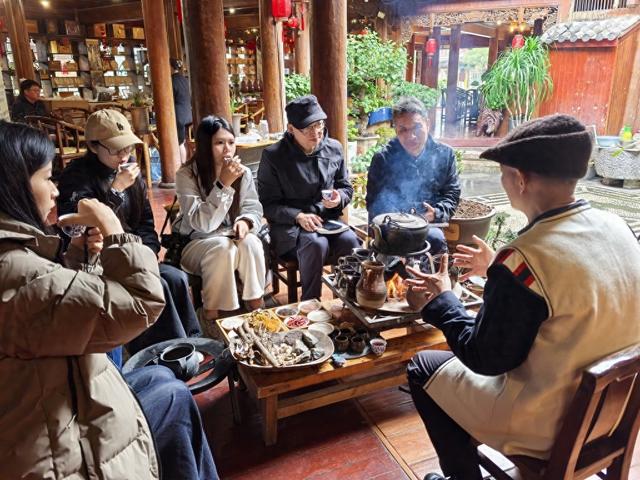
Core Insights - The essence of Lijiang Old Town lies in the culture it carries, emphasizing the importance of people over mere physical objects [1][4][8] - To transform traditional culture into a vibrant experience, innovation in aesthetics and design is necessary, moving from a "traditional rice bowl" to a "golden rice bowl" [1][12] - The town aims to achieve "standardized service and personalized experience," ensuring quality while showcasing unique local cultural charm [1][12] Group 1: Cultural Heritage and Tourism - Lijiang Old Town, a UNESCO World Heritage site, has a rich history of over 800 years, serving as a cultural and economic hub for the Naxi people [1][4] - The town's layout reflects a harmonious relationship with water, creating a unique "highland water town" aesthetic [3][4] - The challenge lies in balancing cultural preservation with tourism development, ensuring that visitors engage with the living culture rather than just the physical artifacts [4][5] Group 2: Cultural Transmission and Engagement - The Naxi culture, represented by the Dongba culture, is rich in history and needs to be actively transmitted rather than passively displayed [5][8] - Local guides play a crucial role in narrating the cultural stories, enhancing visitor engagement and understanding [10][11] - There is a need for a systematic approach to cataloging intangible cultural heritage, integrating it into the tourism experience [7][12] Group 3: Visitor Experience and Expectations - The demographic of visitors has evolved from backpackers to quality-seeking tourists, necessitating a shift in how cultural experiences are presented [18][20] - Social media platforms have amplified Lijiang's visibility, attracting a new wave of international tourists who appreciate cultural nuances [18][20] - Visitors increasingly seek deeper cultural connections rather than superficial sightseeing, highlighting the need for immersive experiences [24][25] Group 4: Future Directions and Innovations - Lijiang Old Town is encouraged to innovate while maintaining its cultural core, ensuring that traditional elements are adapted to contemporary contexts [12][15] - Engaging local communities and integrating their narratives into tourism can enhance authenticity and emotional resonance [10][11] - Collaborative cultural events, such as poetry readings and workshops, can foster a deeper connection between visitors and the local culture [24][25]

辽博数字藏品七成买家来自省外
Xin Lang Cai Jing· 2026-01-20 21:54
Group 1 - The core point of the article highlights the successful launch and popularity of digital collectibles from the Liaoning Provincial Museum, particularly the "Spring Outing of the Guo State Lady" which saw over 10,000 subscriptions within a day of its release [1] - The museum has issued a total of 38 digital collectibles, with over 200,000 units sold and nearly one million users engaged, indicating a strong national interest, especially from outside Liaoning where 68% of users are located [1] - The digital collectibles have become a significant cultural export for Liaoning, showcasing the region's heritage and attracting attention from a wide audience [1] Group 2 - All issued digital collectibles have sold out within 10 minutes, with the museum's treasure series accounting for about 26% of sales, reflecting high market recognition of cultural scarcity [2] - Unique items like the "Flower Tree Gold Hairpin" and "Qing Dynasty Red Glazed Pomegranate Vase" have gained popularity among younger audiences, while discussions around historical and cultural topics have surged on social media [2] - The rise of digital collectibles has sparked a cultural dissemination trend, with users creating AI-generated content and participating in events like calligraphy competitions, enhancing community engagement [2] Group 3 - The success of digital collectibles has also boosted sales of physical cultural products, creating a dual empowerment model of "digital traffic and physical monetization" [3] - Liaoning Provincial Museum's approach to digitalization and cultural transmission serves as a valuable example for other museums looking to modernize and engage broader audiences [3]
阿里文旅绘就融合富民新画卷
Xin Lang Cai Jing· 2026-01-18 12:17
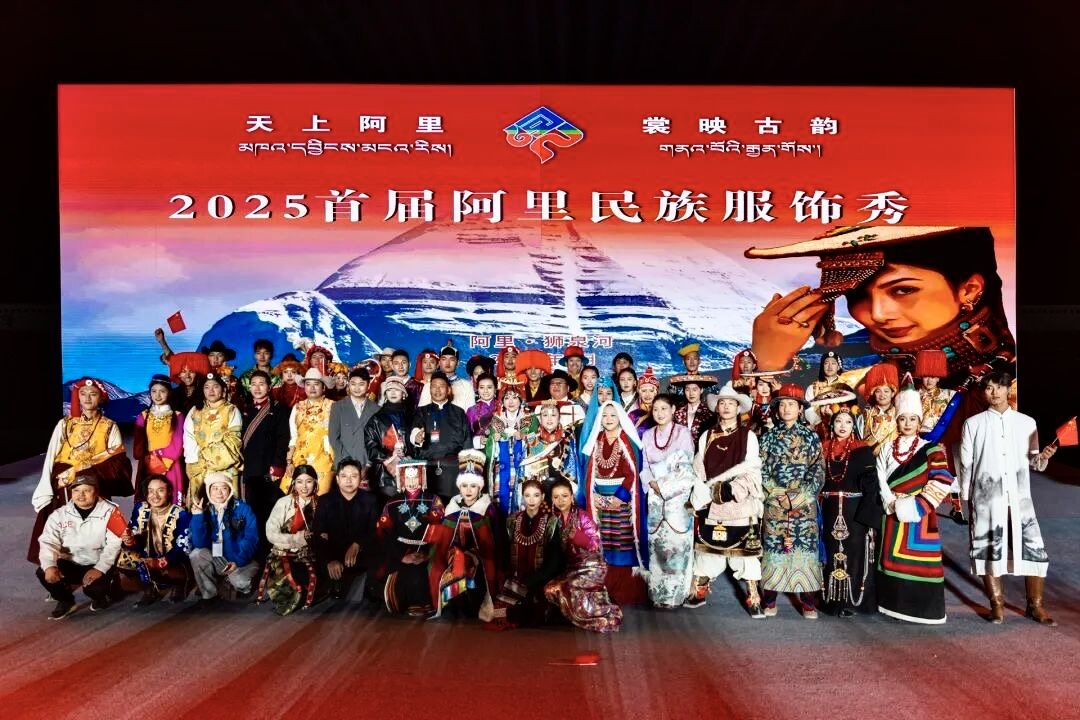
Core Insights - The article highlights the significant growth of the tourism industry in the Ali region, with a total of 3.51 million visitors and a tourism revenue of 3.416 billion yuan in 2025, marking increases of 35.9% and 33.4% respectively [1] - The integration of cultural heritage and tourism is emphasized, showcasing initiatives that bring ancient traditions to life and enhance the region's cultural identity [2][5] Cultural Empowerment - The Ali region is actively engaging in the living transmission of its cultural heritage, exemplified by immersive performances that revive ancient murals and traditions [2] - The Ali Museum has introduced interactive experiences, attracting 23,399 visitors in 2025, enhancing visitor engagement with local culture [5] - The region has seen a rise in intangible cultural heritage projects, with 55 new projects added in 2025, generating over 5 million yuan in revenue and creating employment for over 300 individuals [6] Resource Development - The Ali region has successfully developed unique tourism routes, including the "Heavenly Ali Cloud Top Self-Driving" tour, which connects various scenic spots and enhances visitor experiences [7] - The establishment of national 4A and 5A scenic areas has improved the region's tourism infrastructure and brand recognition [7] - Innovative tourism experiences, such as low-altitude helicopter tours, have diversified offerings and attracted a broader audience [9] Social Welfare - The growth of the tourism sector has led to increased economic benefits for local communities, with family-run guesthouses generating significant income and improving local infrastructure [11] - The region's tourism initiatives have created over 5,600 job opportunities and increased local income by over 52 million yuan in 2025 [13] - Continuous support from aid programs has strengthened local capacities in hospitality and tourism management, fostering sustainable development [13]
用国际视角感知真实立体全面的千年古都
Xi An Ri Bao· 2025-06-03 03:05
Group 1 - The event "In Xi'an, See China" organized by the Xi'an Municipal Publicity Department and International Online successfully concluded, featuring foreign experts from 10 countries exploring Xi'an's enterprises, communities, and cultural landmarks [1] - The Beilin District's hard technology innovation street has become a key to effectively promoting the transformation of cutting-edge technologies from laboratories to the industrial chain, showcasing various high-tech projects like bionic humanoid robots and delivery drones [2] - The Xi'an Beilin Cross-Border E-Commerce Industrial Park, as one of the first provincial-level cross-border e-commerce parks, supports a complete industrial chain ecosystem, allowing businesses to engage in global trade without leaving the building [3] Group 2 - The cross-border e-commerce industrial park reported a transaction volume of 750 million yuan in 2024, with trade involving 58 countries and regions, and 85 cross-border e-commerce enterprises [3] - The event highlighted the integration of culture and modern technology through performances that combine art, technology, and history, leaving a lasting impression on foreign experts [4] - Foreign experts experienced traditional Chinese crafts and health practices, such as tea-making and traditional Chinese medicine techniques, emphasizing the vibrant cultural heritage of Xi'an [5]