
文化遗产保护传承利用

Search documents
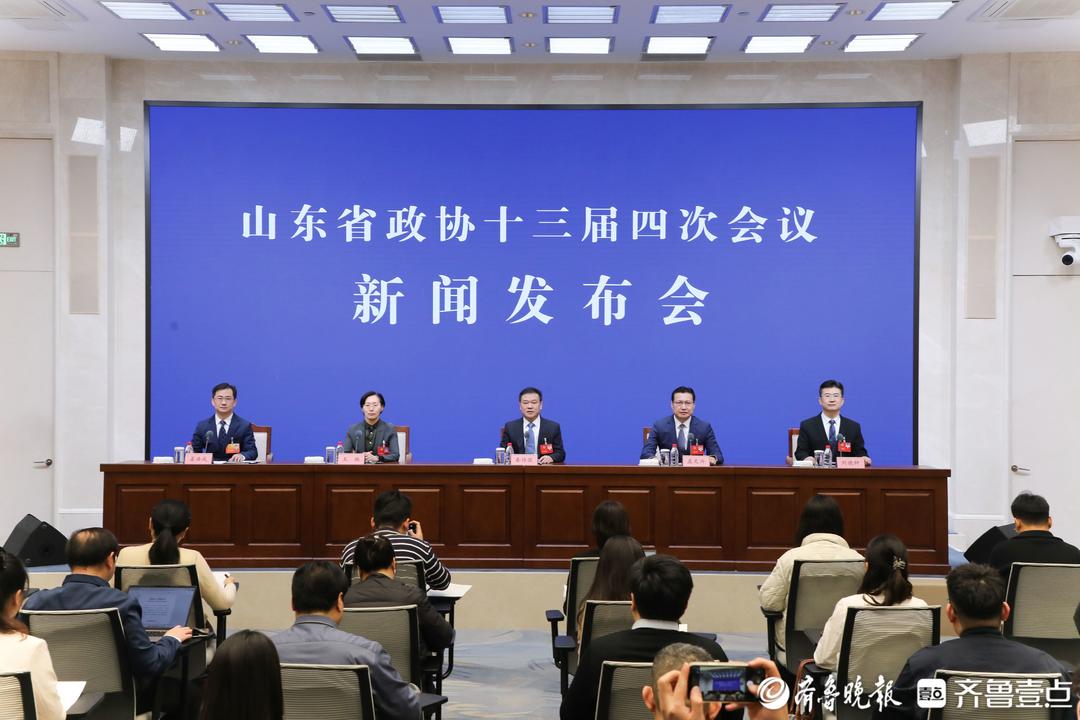
聚焦强省建设,山东省政协去年19项调研催生158项履职成果
Qi Lu Wan Bao· 2026-01-25 10:29
Group 1 - The core focus of the Shandong Provincial Political Consultative Conference (CPPCC) in 2025 is to enhance urban-rural integration and promote new urbanization, aiming to contribute to the construction of a modern strong province [1][4] - The CPPCC plans to hold 2 special meetings, 1 special consultation meeting, and 6 monthly consultation meetings, along with 19 special research projects, resulting in 158 important proposals and reports [4][5] - Key topics for the special meetings include "building an important economic growth pole in northern regions" and "improving urban-rural integration mechanisms for high-level new urbanization," with significant recommendations being integrated into provincial planning [5][6] Group 2 - The CPPCC will conduct in-depth visits to over 60 key project enterprises and research institutions, collecting more than 800 suggestions related to the economic growth pole initiative [5] - Monthly consultation meetings will address various issues, including enhancing consumer and investment roles, campus safety, and intergenerational community building, resulting in 103 actionable recommendations [6] - Special democratic supervision will focus on ecological protection in the Yellow River basin and improving the business environment for private enterprises, with numerous suggestions aimed at optimizing policies and fostering economic development [6]

周红波专题研究文化遗产保护传承利用工作
Nan Jing Ri Bao· 2025-06-14 02:01
Core Viewpoint - The meeting emphasized the importance of cultural heritage as a key identifier of Nanjing and a vital carrier of traditional Chinese culture, highlighting the need for responsible protection, inheritance, and utilization of cultural heritage [1][3]. Group 1: Cultural Heritage Protection Strategies - The city is focusing on the planning of historical cultural city protection and the establishment of a comprehensive cultural heritage protection network, considering time, space, and elements [2]. - A "gene bank" for cultural heritage will be established, covering various historical stages such as the Six Dynasties, Southern Tang, Ming Dynasty, and modern architecture [2]. - The old city will be prioritized for protection, with strict adherence to the principle that "the old city cannot be demolished," and specific streets will be designated as "never to be widened" [2]. Group 2: Implementation and Responsibility - The city aims to enhance the overall level of cultural heritage protection and utilization by fostering a collaborative framework, clarifying responsibilities, and streamlining mechanisms [3]. - The approach will balance the protection of both tangible and intangible cultural heritage, ensuring the historical authenticity and cultural continuity of the heritage [2][3]. - The leadership encourages a mindset of collective responsibility in cultural heritage protection, viewing it as a significant achievement for the present and future [3].