文学想象

Search documents
《阿凡达3》的复古,以及勒古恩和布鲁姆的“与书共老”
Di Yi Cai Jing· 2026-01-23 04:05
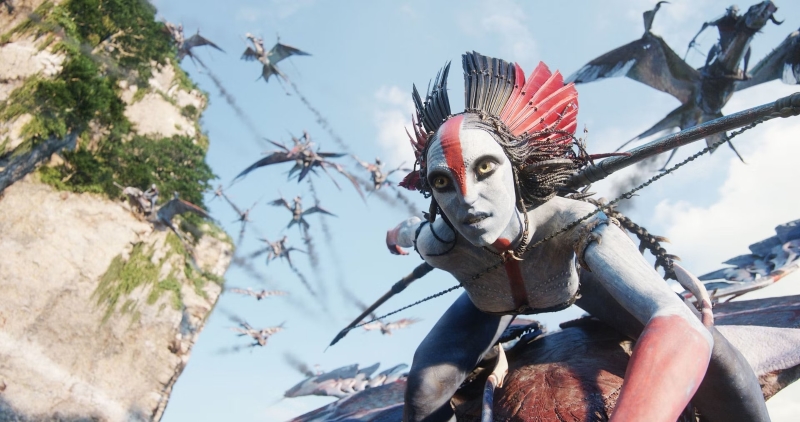
Core Viewpoint - The article discusses the themes of gender identity and societal roles as explored in the works of Ursula K. Le Guin and Harold Bloom, particularly in relation to the film "Avatar 3" and Le Guin's novel "The Left Hand of Darkness" [1][12]. Group 1: Gender Identity and Societal Roles - "Avatar 3" has been criticized for its outdated values regarding gender roles, despite its portrayal of a society that adheres to natural gender distinctions [3][4]. - Le Guin's "The Left Hand of Darkness" presents a society where gender is fluid, challenging traditional notions of masculinity and femininity [4][6]. - Bloom acknowledges the complexity of gender roles in literature, expressing admiration for Le Guin's exploration of these themes [8][10]. Group 2: Literary Influence and Legacy - Le Guin's imaginative approach to gender identity serves as a critique of societal norms, prompting readers to question cultural biases [6][10]. - Bloom, despite his own biases, recognizes the significance of female authors and their contributions to literature, highlighting the need for a broader appreciation of diverse voices [8][10]. - The correspondence between Le Guin and Bloom reflects their shared concerns about the future of literature and the evolving landscape of reading in the digital age [10][13].