《生命的灿烂之书》

Search documents
让我感到幸福的书
Xin Lang Cai Jing· 2026-02-01 06:56
Core Viewpoint - The article discusses the evolving landscape of literature and reading habits, emphasizing the contrast between traditional literary appreciation and the rise of short video content consumption, while highlighting the enduring value of literary works in providing happiness and understanding [4][5][6][7]. Group 1: Literature and Reading Trends - The author reflects on the decline in traditional reading habits, noting that many people now prefer short videos over books, which raises questions about cultural shifts in consumption [4][5]. - There is a growing trend where non-fiction and social science books are more popular than literary works, with a recent book review event featuring no literary titles among the finalists, which surprised the author [6][7]. - The article suggests that while entertainment formats like stand-up comedy aim to please, literature seeks to provide deeper experiences of happiness and understanding [7]. Group 2: Personal Reflections on Literature - The author shares a personal connection to literature, citing Harold Bloom's final work, "The Bright Book of Life," as a source of inspiration and happiness, reflecting on the impact of beloved novels [7]. - The article emphasizes that reading great literary works is about learning to love and understand, which is valuable regardless of any expected returns [7]. - The author encourages a more courageous approach to love and understanding in the new year, inspired by the insights gained from literature [7].

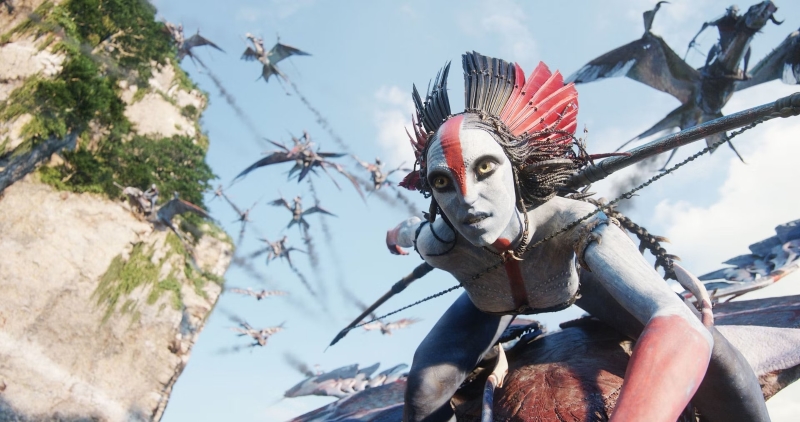
《阿凡达3》的复古,以及勒古恩和布鲁姆的“与书共老”
Di Yi Cai Jing· 2026-01-23 04:05
Core Viewpoint - The article discusses the themes of gender identity and societal roles as explored in the works of Ursula K. Le Guin and Harold Bloom, particularly in relation to the film "Avatar 3" and Le Guin's novel "The Left Hand of Darkness" [1][12]. Group 1: Gender Identity and Societal Roles - "Avatar 3" has been criticized for its outdated values regarding gender roles, despite its portrayal of a society that adheres to natural gender distinctions [3][4]. - Le Guin's "The Left Hand of Darkness" presents a society where gender is fluid, challenging traditional notions of masculinity and femininity [4][6]. - Bloom acknowledges the complexity of gender roles in literature, expressing admiration for Le Guin's exploration of these themes [8][10]. Group 2: Literary Influence and Legacy - Le Guin's imaginative approach to gender identity serves as a critique of societal norms, prompting readers to question cultural biases [6][10]. - Bloom, despite his own biases, recognizes the significance of female authors and their contributions to literature, highlighting the need for a broader appreciation of diverse voices [8][10]. - The correspondence between Le Guin and Bloom reflects their shared concerns about the future of literature and the evolving landscape of reading in the digital age [10][13].