文旅经济规范发展

Search documents
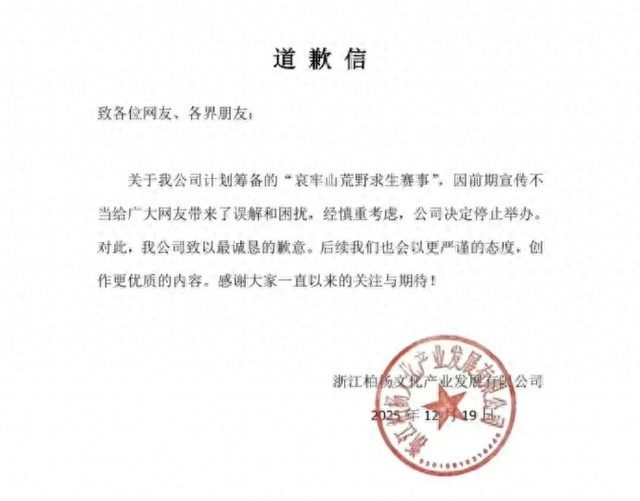
荒野求生,为何争先恐后“上马”又接二连三“收场”?
Xin Lang Cai Jing· 2026-01-10 00:54
Core Viewpoint - The "survival in the wild" events, initially popular due to high bonuses and significant media attention, are facing cancellations and pauses due to safety concerns and poor prior marketing strategies [1] Group 1: Event Cancellations - The second season of the survival event in Zhangjiajie, Hunan, started in October 2025 but was abruptly paused two months later after eight participants were evacuated and shared the prize money [2] - Nearly ten similar survival events in China have been hastily concluded since last year, with events in Yunnan and Guizhou being called off due to low temperatures and safety concerns [3] Group 2: Common Issues - Many of the canceled events lacked professional qualifications, with some organizing units being established only ten days prior to the event, raising concerns about their preparedness and legality [4] - The event locations were often chosen in ecologically fragile or high-risk areas, leading to public outcry regarding safety and environmental impact [5] Group 3: Underlying Motivations - The rush to host survival events reflects a deeper anxiety within local tourism development, as regions with good resources but low recognition seek to escape financial difficulties [5] - The allure of extreme sports combined with social media marketing offers a more direct way to attract attention and sponsorship compared to traditional events [5] Group 4: Recommendations for Future Events - To ensure the sustainable development of survival events, it is crucial to prioritize safety and professionalism, moving away from a short-sighted focus on profit [7] - A comprehensive regulatory framework should be established, including clear qualifications for organizers, safety standards, and ecological protection measures [8] - The narrative surrounding these events should shift from "humans challenging nature" to emphasizing the importance of safety and respect for the environment [8] Group 5: Conclusion - Upholding safety standards and returning to professional rationality while focusing on local characteristics is essential for the long-term stability of the tourism economy [9]