文明捡秋

Search documents
让捡秋成为旅行的一个环节,需要更多创意
Bei Jing Qing Nian Bao· 2025-11-09 08:06
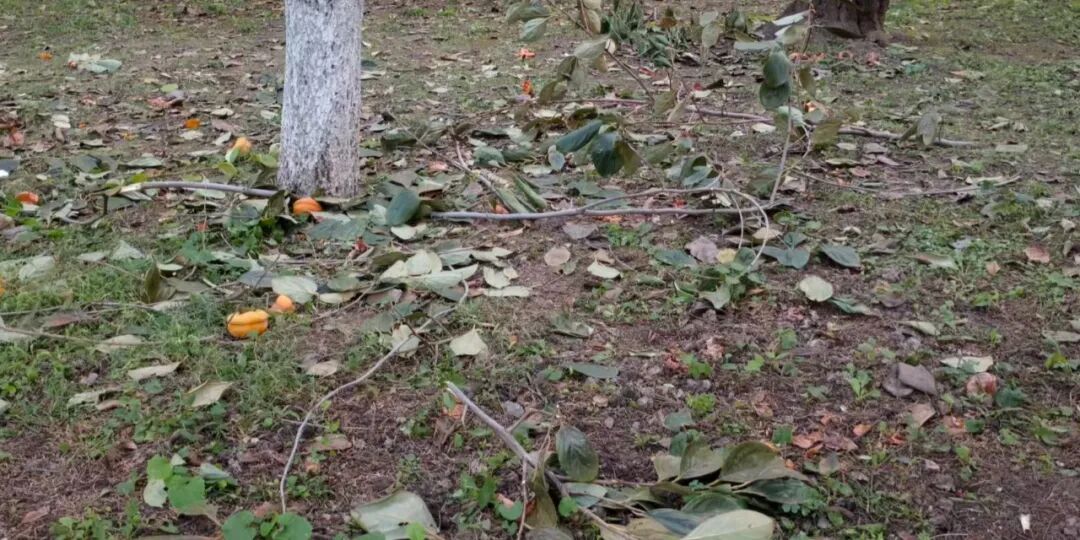
Core Viewpoint - The traditional activity of "picking autumn" has evolved into a popular leisure activity that reflects the conflict between ecological protection and recreational needs, necessitating a new approach that integrates this activity with the cultural tourism industry for sustainable development [1][2]. Group 1: Issues and Challenges - The activity has been distorted by uncivilized behaviors such as damaging trees and trampling vegetation, which contradicts the original intent of "picking autumn" and poses potential harm to the natural ecosystem [1]. - The root cause of these issues lies in a lack of public awareness of rules and a diminishing respect for nature, leading to a misconception that unmonitored areas can be exploited without consequence [1]. Group 2: Solutions and Innovations - Simple prohibitions and criticisms are insufficient; integrating "picking autumn" into cultural tourism development plans through precise scene design and rule embedding can promote civilized practices [2]. - Various regions are implementing creative solutions, such as Inner Mongolia's five unique picking routes and Hebei's "picking + food" packages, which enhance visitor experiences while fostering ecological awareness [2]. - The transformation of "picking autumn" into a practice that combines ecological education and economic development is being realized through innovative designs and scientific planning, creating a positive cycle of ecological experience, cultural dissemination, and value conversion [2]. Group 3: Collaborative Governance - Achieving a win-win situation for civilized picking and cultural tourism development requires a collaborative governance system involving institutional constraints, awareness guidance, and practical innovation [3]. - Regulatory bodies need to enhance supervision and legally address behaviors that harm the environment or exploit public resources, while scenic areas and rural communities should improve infrastructure to define the boundaries of picking activities [3]. - Public awareness of environmental protection and legal rights must be elevated to ensure respectful enjoyment of nature's offerings [3].
去趟天坛,捡了十几斤核桃……“暴力式”捡秋,“进货式”捡秋……煞风景!
Bei Jing Wan Bao· 2025-10-28 00:56
Core Viewpoint - The article discusses the growing trend of "autumn picking" in Beijing parks, highlighting both the enjoyment it brings to citizens and the negative impact of excessive and irresponsible picking behaviors on the environment and park aesthetics [1][10]. Group 1: Autumn Picking Activities - "Autumn picking" has evolved from a traditional agricultural activity to a popular outdoor experience, attracting more participants who enjoy nature and autumn scenery [1]. - Reports indicate that some visitors engage in "violent" picking methods, such as breaking branches and excessively collecting fruits, which raises concerns about environmental damage [2][3]. Group 2: Specific Incidents in Parks - In Ditan Park, visitors have been observed using tools to violently pick persimmons, leading to broken branches and a significant reduction in fruit availability [2][3]. - In Tiantan Park, there are complaints about groups of people collecting walnuts in large quantities, likening their actions to "stockpiling" rather than casual picking [4][6]. Group 3: Visitor Perspectives - Opinions among visitors vary, with some justifying their actions by claiming that fallen fruits would go to waste, while others express concern over the environmental impact of excessive picking [3][6]. - Some visitors worry that the aggressive collection of nuts could deprive local wildlife, such as squirrels, of their winter food supply [6][10]. Group 4: Park Management Responses - Park staff emphasize that the fruits in these parks are primarily for ornamental purposes and discourage picking due to potential pesticide residues [3][10]. - Management has increased patrols during peak picking times to deter excessive harvesting and remind visitors of the rules [3][10]. Group 5: Ecological Considerations - Experts suggest that while moderate picking does not significantly harm the ecosystem, "violent" and excessive picking can disrupt plant growth and damage the environment [12]. - Recommendations include clearer guidelines for visitors on acceptable picking practices to ensure a balance between enjoyment and ecological preservation [12].