捡秋

Search documents
北京人最爱的秋景,在海淀?
3 6 Ke· 2025-11-12 03:38
Core Viewpoint - The article highlights the beauty of autumn in Beijing, particularly at the National Botanical Garden, which offers a unique and immersive experience of the season, allowing visitors to fully appreciate the autumn scenery and engage in the popular activity of "collecting autumn" [2][18]. Summary by Sections National Botanical Garden - The National Botanical Garden, established in 2021, combines the former Beijing Botanical Garden and the Chinese Academy of Sciences Botanical Garden, covering an area of approximately 3 square kilometers and featuring nearly 17,000 species of plants [6]. - The garden is described as a living encyclopedia of plants, showcasing a variety of autumn colors and experiences that surpass the scattered trees found in urban areas [6][8]. Autumn Experience - The garden offers a complete autumn celebration, with popular spots like the water cypress forest in the North Garden, where the leaves change from green to a mix of rust red and golden brown, enhanced by morning mist that creates a fairy-tale atmosphere [7][10]. - The ancient ginkgo trees near the Wofosi Temple, estimated to be around 800 years old, provide a stunning backdrop of golden leaves, creating a picturesque scene [7][8]. Collecting Autumn - The concept of "collecting autumn" has become a trendy activity, where visitors gather natural elements like leaves and acorns to create personal mementos, reflecting a deeper connection with nature [18][19]. - The article emphasizes that this activity is not just about collecting but also about appreciating the details of nature, fostering a sense of mindfulness and healing [19][20]. Visitor Experience - The article suggests that the best time to visit the National Botanical Garden for autumn viewing is from mid-October to mid-November, when various plants display their changing colors [8]. - Visitors are encouraged to engage in the "collecting autumn" activity with proper tools and a mindful approach, ensuring they only gather fallen items and respect the natural environment [19][20].

以“一手之握”的克制捡拾秋天的美
Zhong Guo Huan Jing Bao· 2025-11-07 03:23
Core Points - The concept of "Autumn Picking" originally referred to farmers collecting leftover crops after harvest to prevent waste, but it has evolved into a popular outdoor activity for people to enjoy nature and seasonal changes [1] - There are concerns about ecological damage due to excessive or boundary-crossing "Autumn Picking" activities, highlighting the need for responsible engagement with nature [1][2] Summary by Sections Ecological Considerations - "Autumn Picking" activities must adhere to laws and regulations, with participants required to understand and follow local rules regarding prohibited or restricted picking areas [1] - It is essential to avoid entering nature reserves or protected areas and to be cautious in public green spaces to prevent harm to rare plants and protected animals [1] Responsible Practices - The act of picking should be done with restraint, avoiding excessive collection or indiscriminate harvesting, as fallen leaves and fruits are vital components of the ecosystem [1] - A suggested guideline for picking is to limit the amount to what can be held in one hand, ensuring enjoyment of the season without significant ecological impact [1] Philosophical Reflection - The essence of "Autumn Picking" lies not in the quantity of items collected but in the dialogue between the individual and nature, emphasizing moderation and environmental protection [2] - The experience should foster appreciation for nature while maintaining a respectful distance, aligning with the idea of enjoying the beauty of the season without overexploitation [2]
视频丨赏秋时节 “捡秋”有度才能留住秋日好时光
Yang Shi Xin Wen Ke Hu Duan· 2025-11-03 06:10
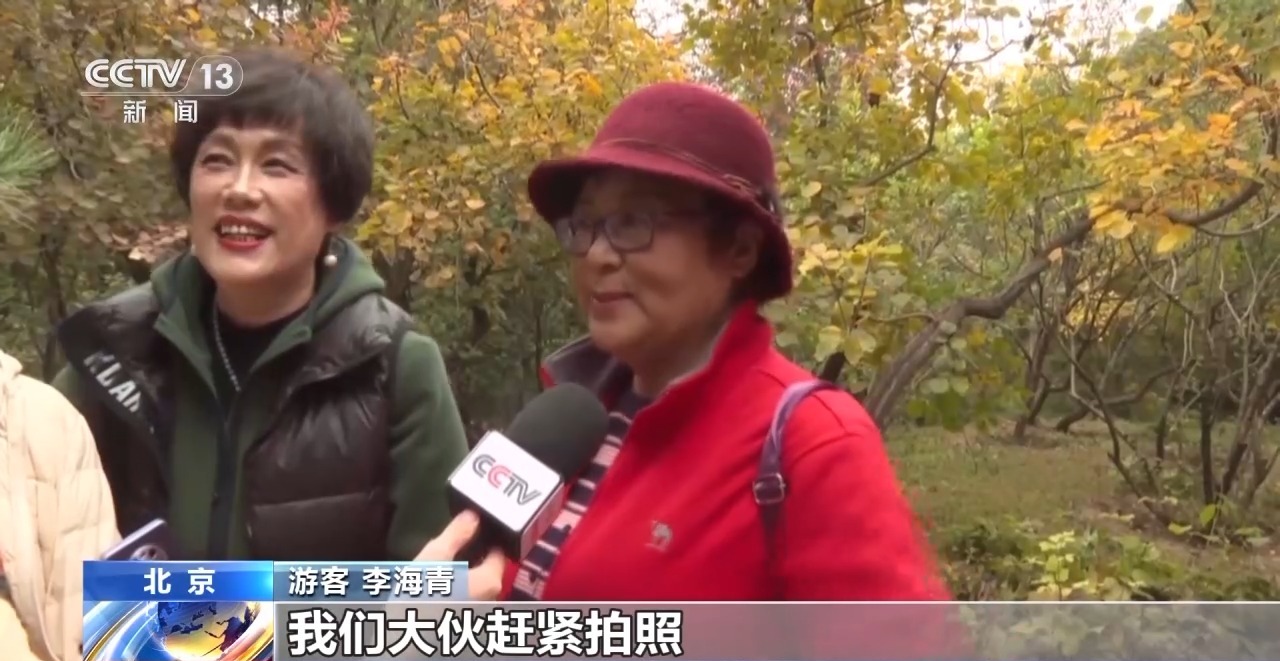
Core Viewpoint - The article highlights the beauty of autumn in Beijing, emphasizing the vibrant colors of leaves and the enjoyment of visitors, while also addressing the negative impact of some tourists' behaviors on the environment and local wildlife [3][10][22]. Group 1: Autumn Experience - Beijing's autumn showcases a variety of colorful leaves, with parks like Tian Tan, Di Tan, and Xiang Shan displaying trees such as ginkgo, maple, and yellow horn [3][10]. - Visitors are actively engaging in activities like collecting leaves and fruits, creating unique decorations and art pieces [7][10]. Group 2: Environmental Concerns - Some tourists exhibit uncivilized behaviors, such as picking leaves from trees and climbing them for better photos, which can damage the trees [10][12]. - Reports indicate that certain trees, like persimmon trees, have been stripped of their fruits due to excessive picking, leading to broken branches and potential harm to the plants [12][22]. Group 3: Wildlife Impact - The collection of nuts and fruits by visitors can significantly affect local wildlife, as these are essential food sources for animals during winter [19][22]. - Unregulated feeding of wild animals by tourists poses health risks to the animals and can lead to pollution of water bodies [20][22].
“捡秋”让我们贴近自然
Ren Min Ri Bao· 2025-10-31 08:07
Core Viewpoint - The concept of "Autumn Picking" has evolved into a new form of travel that combines education and nature, allowing families to engage in hands-on experiences while enjoying the harvest season [1] Group 1: Educational Perspective - "Autumn Picking" provides a new educational approach by moving the classroom to the fields, enabling children to connect with nature and understand agricultural processes firsthand [1] - This hands-on experience allows children to observe and feel the growth of crops, fostering a deeper appreciation for the environment [1] Group 2: Tourism Development Perspective - "Autumn Picking" represents a trend in family-oriented travel that emphasizes closeness to nature, creating memorable experiences beyond traditional tourist attractions [1] - The popularity of "Autumn Picking" can enhance the visibility of local agricultural resources and brands, thereby increasing their influence [1] Group 3: Guidelines and Future Potential - It is important to engage in "Autumn Picking" responsibly, ensuring safety and obtaining permission from farmers before participating [2] - The development of official guidelines and routes for "Autumn Picking" can help standardize the experience and maintain enjoyment for participants [2] - The broader agricultural landscape offers vast potential for developing unique cultural tourism, emphasizing the need to capture demand and sustain interest over time [2]
去趟天坛,捡了十几斤核桃……“暴力式”捡秋,“进货式”捡秋……煞风景!
Bei Jing Wan Bao· 2025-10-28 00:56
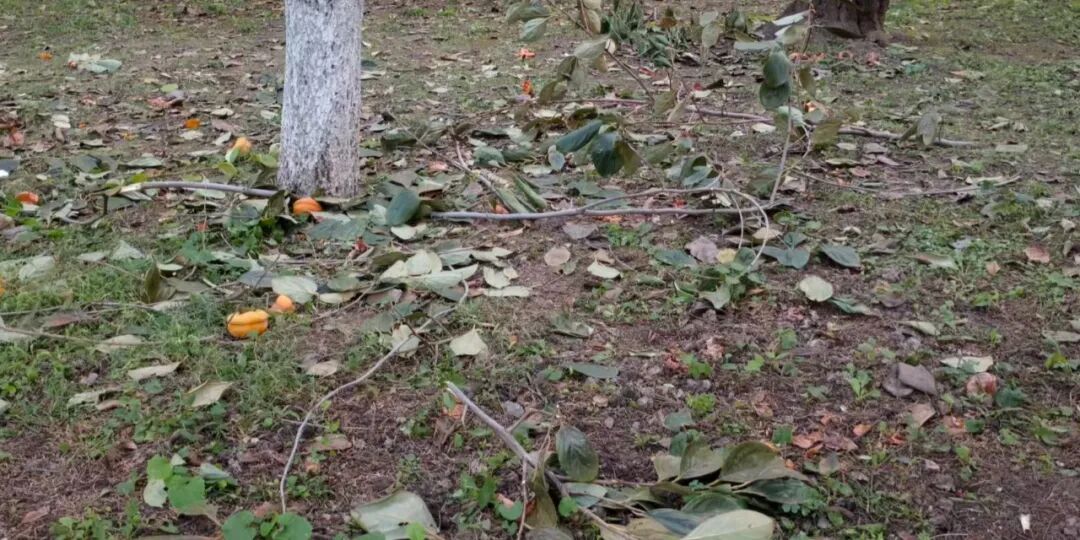
Core Viewpoint - The article discusses the growing trend of "autumn picking" in Beijing parks, highlighting both the enjoyment it brings to citizens and the negative impact of excessive and irresponsible picking behaviors on the environment and park aesthetics [1][10]. Group 1: Autumn Picking Activities - "Autumn picking" has evolved from a traditional agricultural activity to a popular outdoor experience, attracting more participants who enjoy nature and autumn scenery [1]. - Reports indicate that some visitors engage in "violent" picking methods, such as breaking branches and excessively collecting fruits, which raises concerns about environmental damage [2][3]. Group 2: Specific Incidents in Parks - In Ditan Park, visitors have been observed using tools to violently pick persimmons, leading to broken branches and a significant reduction in fruit availability [2][3]. - In Tiantan Park, there are complaints about groups of people collecting walnuts in large quantities, likening their actions to "stockpiling" rather than casual picking [4][6]. Group 3: Visitor Perspectives - Opinions among visitors vary, with some justifying their actions by claiming that fallen fruits would go to waste, while others express concern over the environmental impact of excessive picking [3][6]. - Some visitors worry that the aggressive collection of nuts could deprive local wildlife, such as squirrels, of their winter food supply [6][10]. Group 4: Park Management Responses - Park staff emphasize that the fruits in these parks are primarily for ornamental purposes and discourage picking due to potential pesticide residues [3][10]. - Management has increased patrols during peak picking times to deter excessive harvesting and remind visitors of the rules [3][10]. Group 5: Ecological Considerations - Experts suggest that while moderate picking does not significantly harm the ecosystem, "violent" and excessive picking can disrupt plant growth and damage the environment [12]. - Recommendations include clearer guidelines for visitors on acceptable picking practices to ensure a balance between enjoyment and ecological preservation [12].
“捡秋”走红的文旅启示(纵横)
Ren Min Ri Bao· 2025-10-26 22:19
Core Insights - The concept of "Picking Autumn" has gained popularity as a new form of travel that combines education and nature, allowing families to engage in activities like picking leftover crops after harvest, thus creating memorable experiences [1][2]. Group 1: Educational Perspective - "Picking Autumn" provides a new educational approach by moving the classroom to the fields, enabling children to learn about agriculture hands-on rather than through screens [1]. - This experience allows children to observe and feel the growth of crops, fostering a deeper connection with nature and practical knowledge [1]. Group 2: Tourism Development - The trend of "Picking Autumn" signifies a shift towards family-oriented and nature-centric travel, where families work together to find and collect crops, creating lasting memories [1]. - The popularity of "Picking Autumn" can enhance the visibility of local agricultural resources and brands, thereby increasing their influence [1]. - There is potential for developing unique cultural tourism experiences by capturing consumer demand and transforming fleeting interest into sustained engagement [2]. Group 3: Guidelines and Sustainability - It is important for participants to engage in "Picking Autumn" responsibly, ensuring they have permission from farmers and do not damage crops or leave waste [2]. - Some regions have introduced official guidelines to regulate "Picking Autumn" activities, ensuring safety and enjoyment for all involved [2].
暴力“捡秋”,太煞风景
Bei Jing Ri Bao Ke Hu Duan· 2025-10-26 07:33
Group 1 - The article highlights the growing trend of "autumn picking" as a new outdoor activity, which has led to some uncivilized behaviors such as damaging trees and overharvesting fruits [1][2] - It emphasizes the importance of respecting nature and maintaining a harmonious relationship with the environment while engaging in outdoor activities [1][3] - Park management is encouraged to implement stricter regulations and designated areas for "autumn picking" to ensure sustainable practices and preserve the natural beauty [1][2] Group 2 - The influence of social media on outdoor activities is noted, with platforms contributing to the blurring of lines between exploration and civility [2] - There is a call for content moderation on social media to promote responsible outdoor practices and avoid misleading information [2]
“捡秋”正当时、美景“留下人” 多彩秋日丰富赏秋文旅体验
Yang Shi Wang· 2025-10-26 07:20
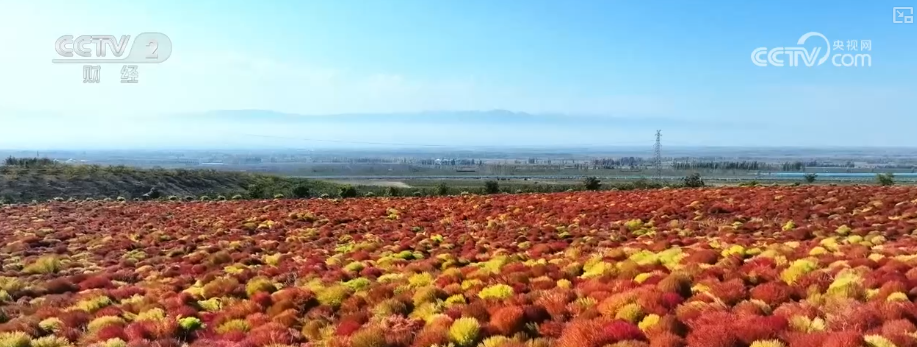
Group 1 - The core viewpoint highlights the seasonal transformation of the grass in Yining County, Xinjiang, from green to deep red and ochre, attracting numerous visitors to enjoy the autumn scenery [1][3][5] - The grass not only serves an aesthetic purpose but also has economic value, as its fruits can be used for medicinal purposes and its dried stems can be made into brooms, achieving a balance between ecological and economic benefits [7] - The peak viewing period for the grass is expected to last until mid-November, indicating a significant opportunity for tourism and local economic activity during this time [7] Group 2 - The concept of "picking autumn" has evolved into a popular outdoor activity in Chengdu, Sichuan, where people collect fallen leaves and fruits to create unique autumn scenery, enhancing their connection with nature [8][10] - Visitors to the Chengdu Botanical Garden are actively engaging in this activity, capturing the beauty of the season while collecting various leaves and fruits [10] - Children are also participating in "picking autumn," turning it into an educational experience as they explore nature with their parents and teachers [11]
“捡秋”有风险 “尝鲜”需谨慎!牢记这些可避隐患
Huan Qiu Wang· 2025-10-25 11:40
Core Viewpoint - The article highlights the growing trend of "autumn picking" activities in Chengdu, Sichuan, where citizens and tourists engage in collecting fallen leaves and fruits while enjoying the autumn scenery. It emphasizes the importance of awareness regarding the potential risks associated with certain plants during these activities [1][3][30]. Group 1: Autumn Picking Activities - "Autumn picking" has become a popular way for people to connect with nature and enjoy the beauty of the season in Chengdu [1][3]. - Visitors to the Chengdu Botanical Garden participate in activities such as collecting leaves and taking photos of the autumn landscape [3][5]. - Children are also involved in these activities, learning about nature under the guidance of parents and teachers [5][9]. Group 2: Plant Safety and Risks - The article discusses the distinction between edible and non-edible "red beans," highlighting that the "red beans" collected are from a protected species and are not safe to eat [11][13]. - Experts warn about the toxic nature of certain plants, such as the "red bean tree" and "acacia seeds," which can cause severe health issues if ingested [15][17]. - The article also addresses the risks associated with collecting ginkgo fruits, which contain toxic substances and should be handled with caution [22][26]. Group 3: Health Precautions - Medical professionals advise against consuming certain plants without proper knowledge and preparation, emphasizing the importance of cooking ginkgo fruits to avoid toxicity [28][30]. - Recommendations include washing hands after outdoor activities to prevent the transfer of harmful substances and adhering to guidelines for safe "autumn picking" [33][35]. - The article suggests three principles for safe collecting: do not pick or damage plants, avoid consuming unknown plants, and focus on diverse collection rather than excessive picking of one type [35].